Can You Fix Upper Back Posture?

In the modern digital era, hunching over screens has become an involuntary habit for millions of desk workers, students, and avid smartphone users. Persistent slouching often leads to rounded shoulders and nagging muscle tension. Addressing this structural challenge requires a clear understanding of biomechanics, targeted strengthening routines, and the strategic use of supportive tools. Fixing upper back posture is entirely possible with consistency, patience, and the right approach.
The Root Causes of Poor Upper Back Posture
Poor alignment does not happen overnight. It typically develops through sustained postural habits and muscular imbalances that strain the thoracic spine over months and years.
Extended Desk Work and Ergonomic Deficiencies
Spending long hours seated at a computer desk encourages the body to drift forward. Without proper ergonomic setup, the head juts out, the chest caves inward, and the upper back rounds to compensate for gravity.
Muscular Imbalances and Weakness
A common culprit behind chronic slouching is the mismatch in strength between the anterior and posterior upper body muscles.
-
Weak Rhomboids and Trapezius: The muscles responsible for pulling the shoulder blades together frequently become elongated and weak.
-
Tight Pectoral Muscles: Chest muscles tighten from prolonged inward positioning, pulling the shoulders forward and locking them in a misaligned posture.
Lack of Core and Spinal Mobility
Spinal health relies heavily on core stability and thoracic mobility. When core muscles fail to support the spine, the upper back bears the brunt of postural fatigue. Furthermore, a stiff thoracic spine resists upright extension, making good posture feel exhausting to maintain.
Effective Strategies to Correct Upper Back Alignment
Reversing the effects of chronic slouching involves a combination of active conditioning, daily habit adjustments, and supportive devices designed to guide proper alignment.
Incorporating Targeted Strengthening Exercises
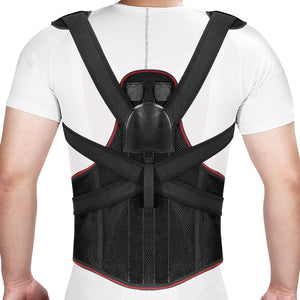
Building strength in the posterior chain is essential for holding the shoulders back naturally. Integrating a functional upper back brace during early movement retraining provides gentle tactile feedback that encourages the wearer to keep their shoulders retracted and chest open during long working sessions.
-
Scapular Squeezes: Pull the shoulder blades together while keeping the shoulders relaxed, holding for five seconds before releasing.
-
Rowing Variations: Resistance band rows or seated cable rows strengthen the upper back muscles responsible for vertical posture.
-
Chest Openers: Gentle doorway stretches lengthen tight pectoral muscles to alleviate the forward pull on the shoulders.
Enhancing Daily Ergonomics
Creating a posture-friendly environment reduces physical strain during daily tasks. When evaluating various supportive devices, identifying the best back supports for posture involves looking for adjustable straps, breathable fabrics, and ergonomic designs that promote natural alignment without causing muscle atrophy.
-
Monitor Eye Level: Position computer monitors so the top third of the screen aligns with eye level.
-
Supportive Seating: Utilize chairs that encourage a neutral spine and provide adequate lumbar support.
-
Movement Breaks: Stand up, stretch, and reset posture every forty-five minutes.
Utilizing Posture Support Tools
When retraining muscle memory, incorporating external aids can accelerate progress by offering physical reminders. Opting for a reliable back support brace for posture helps distribute pressure evenly across the torso, reducing fatigue in the upper back muscles during extended periods of sitting. When integrating these wearable aids into a daily routine, users frequently wonder: How Many Hours a Day Should You Wear a Back Brace for Posture? General guidelines suggest limiting usage to one to two hours daily during sedentary tasks to ensure active muscles continue doing their foundational work. Quality options from Fivali provide targeted ergonomic designs intended to seamlessly integrate into daily wellness routines without restricting natural movement.

- Better Posture Correction
- Adjustable Velcro Straps
- Soft and Breathable Fabric
Lifestyle Adjustments for Long-Term Success
Physical aids and exercises lay the groundwork, but maintaining structural health requires comprehensive daily mindfulness.
Building Body Awareness
Developing internal posture checks throughout the day prevents slouching from setting in unnoticed. Simple cues, such as imagining a string pulling the crown of the head upward, help reset alignment instantly.
Staying Hydrated and Active
Proper hydration supports spinal disc health and flexibility. Regular cardiovascular activity and mobility training keep the entire musculoskeletal system resilient and adaptable.
Conclusion
Fixing upper back posture is a rewarding journey that transforms physical comfort, confidence, and overall well-being. By combining targeted strengthening exercises, ergonomic workspace improvements, and mindful movement habits, anyone can successfully overcome the effects of chronic slouching. Incorporating supportive tools thoughtfully into a daily regimen further accelerates progress toward a healthier, more aligned spine. Consistency remains the ultimate key to achieving lasting postural health.
-
Veröffentlicht in
Healthy Lifestyle