Biceps Tendonitis & Biceps Tears
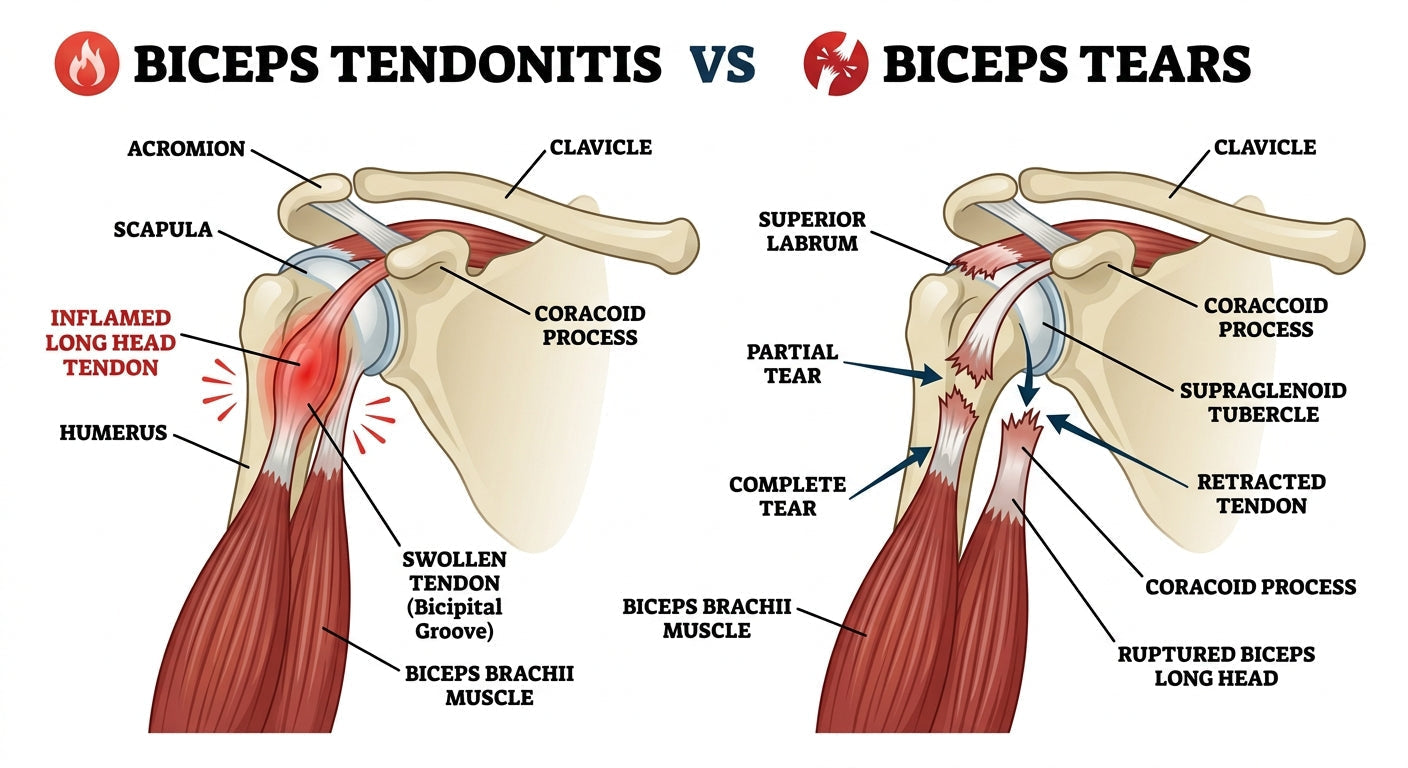
The biceps muscle, a prominent muscle on the front of your upper arm, plays a crucial role in elbow flexion and forearm rotation. It connects to your shoulder and elbow bones via strong tissues called tendons. When these tendons become irritated, inflamed, or torn, they can cause significant pain and functional limitations.
What is Biceps Tendonitis?
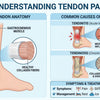
Biceps tendonitis, also known as bicipital tendonitis, is an inflammation or irritation of the long head of the biceps tendon, which attaches to the shoulder joint. This condition typically results from repetitive overhead activities, overuse, or general wear and tear. It can also be associated with other shoulder issues, such as rotator cuff problems or shoulder impingement, as the biceps tendon runs through a groove in the shoulder blade, making it susceptible to friction and irritation.
What is a Biceps Tear?
A biceps tear refers to a partial or complete rupture of the biceps tendon. These tears most commonly occur at the shoulder (proximal biceps tendon tear) or near the elbow (distal biceps tendon tear). Proximal tears are more common and often involve the long head of the biceps. Distal biceps tears, while less frequent, can be more debilitating because they significantly impair elbow flexion and forearm supination. Tears can be acute, resulting from a sudden, forceful injury, or chronic, developing gradually due to tendon degeneration and repeated stress.
Common Causes of Biceps Tendonitis and Tears
Both biceps tendonitis and tears often stem from a combination of factors:
- Overuse and Repetitive Activities: Sports like swimming, tennis, or baseball, or activities involving heavy lifting or overhead movements, can strain the biceps tendon over time, leading to inflammation or microtears.
- Aging and Degeneration: As we age, tendons naturally lose elasticity and strength, making them more susceptible to injury and tears, even with minor trauma.
- Sudden, Forceful Injuries: A direct blow to the arm, a fall onto an outstretched arm, or a sudden jerk while attempting to lift something too heavy can cause an acute tear.
- Other Shoulder Conditions: Conditions such as rotator cuff injuries, shoulder impingement, or instability can place additional stress on the biceps tendon, contributing to its degeneration and increasing the risk of both tendonitis and tears. Factors like wrestling shoulder injuries can also increase risk.
Recognizing the Symptoms
While some symptoms overlap, there are distinct signs that can indicate whether you have tendonitis or a tear:
Symptoms of Biceps Tendonitis:
- Pain: A deep, aching pain in the front of the shoulder that may radiate down the arm. It often worsens with overhead activities, lifting, or reaching.
- Tenderness: The area around the biceps tendon in the shoulder may be tender to the touch.
- Weakness: Mild weakness in the shoulder or elbow, especially during activities involving the biceps.
- Clicking or Catching Sensation: Some individuals may experience a clicking or catching sensation in the shoulder with certain movements.
Symptoms of a Biceps Tear:
- Sudden, Sharp Pain: An immediate, intense pain in the shoulder or elbow at the time of injury, often described as a "pop" or "snap."
- Visible Deformity ("Popeye" Muscle): In the case of a complete tear, the detached biceps muscle may retract, creating a noticeable bulge in the upper or lower arm, resembling a "Popeye" muscle.
- Bruising: Bruising may appear around the shoulder or elbow and extend down the arm.
- Weakness: Significant weakness in bending the elbow or rotating the forearm (supination).
- Cramping: The biceps muscle may cramp with strenuous activity.
- Limited Range of Motion: Difficulty moving the arm through its full range of motion due to pain or weakness.
Diagnosis
They will assess your symptoms and medical history and perform specific tests to evaluate your range of motion, strength, and tenderness. Imaging studies are often used to confirm the diagnosis and determine the extent of the injury:
- X-rays: While X-rays don't show soft tissues like tendons, they can help rule out bone fractures or other skeletal issues.
- Ultrasound: This can visualize tendon inflammation and tears in real time.
- MRI (Magnetic Resonance Imaging): MRI provides detailed images of soft tissues, making it the most definitive imaging tool for diagnosing biceps tendonitis and tears, including the injury's location and severity.

Compare the causes, key symptoms, and recovery expectations for biceps tendonitis and tears, with clear bars and concise labels to support treatment decisions.
Treatment Options
Non-Surgical Approaches
For most cases of biceps tendonitis and many partial tears, non-surgical management is the first-line treatment. The goal is to reduce pain and inflammation and restore function.
- Rest and Activity Modification: Avoiding activities that aggravate the condition is crucial. This may involve reducing overhead movements, lifting lighter weights, or temporarily pausing sports participation.
- Ice and Heat: Applying ice packs to the affected area can help reduce inflammation and pain, especially after activity or injury. Heat may help relax muscles and improve blood flow before gentle exercise.
- Anti-inflammatory Medications: Over-the-counter non-steroidal anti-inflammatory drugs (NSAIDs) can help manage pain and inflammation.
- Physical Rehabilitation: A structured program of exercises designed to strengthen the biceps, rotator cuff, and surrounding shoulder muscles, improve flexibility, and restore range of motion. A physical therapist can guide you through appropriate exercises.
- Injections: Corticosteroid injections can provide temporary pain relief and reduce inflammation in tendonitis, but they are generally used cautiously because repeated use can weaken tendons. Platelet-rich plasma (PRP) injections are also explored for tendon healing.
- Considerations: Understanding how long does tendonitis last is important for managing expectations during non-surgical recovery.
Surgical Interventions
Surgery may be recommended for complete biceps tears, particularly in younger, active individuals, or when non-surgical treatments fail to alleviate symptoms for partial tears.
Rehabilitation and Recovery
- Pain Management: Continuing to manage pain and inflammation as guided by your healthcare provider.
- Gradual Increase in Range of Motion: Gentle exercises to restore shoulder and elbow mobility.
- Strengthening Exercises: Progressive exercises to rebuild strength in the biceps, rotator cuff, and other supporting muscles.
- Functional Training: Activities that mimic daily tasks or sport-specific movements to prepare you for returning to your regular routine.
- Protection: Using proper form and considering shoulder support for a torn rotator cuff or a shoulder brace for dislocation prevention during recovery can be beneficial. Athletes requiring rotator cuff support during activity may also find specialized gear helpful.
Rehabilitation duration can vary widely, from a few weeks for mild tendonitis to several months for surgical repair of a complete tear. Adherence to your therapist's instructions is key to a successful outcome.
Prevention Strategies
- Proper Warm-up and Cool-down: Always prepare your muscles for activity and help them recover afterward.
- Correct Technique: Use proper form during sports and lifting activities. Consider guidance from a coach or trainer.
- Gradual Progression: Avoid sudden increases in exercise intensity or volume. Build strength and endurance gradually.
- Strength and Flexibility: Maintain overall shoulder and arm strength and flexibility through regular exercise. Use proper shoulder support when lifting weights to reduce strain.
- Listen to Your Body: Do not push through pain. If you feel discomfort, rest and let your body recover.
- Ergonomics: If your job involves repetitive arm movements, optimize your workspace to reduce strain.
- Address Other Shoulder Issues: Treat underlying shoulder problems like impingement or rotator cuff injuries, as they can contribute to biceps tendon issues. Learning how to prevent shoulder injuries in general can also reduce the risk of biceps problems.
- While not directly related to the biceps, similar preventive measures apply to other areas, such as tennis elbow support for weightlifting.
When to Seek Medical Attention
It's important to consult a healthcare professional if you experience:
- Sudden, severe pain in your shoulder or elbow, especially after an injury.
- A popping or snapping sensation followed by weakness or a visible deformity.
- Persistent pain that doesn't improve with rest and over-the-counter pain relievers.
- Significant weakness or difficulty performing daily activities due to shoulder or arm pain.
Early diagnosis and appropriate treatment can significantly improve outcomes and prevent long-term complications.
-
Veröffentlicht in
Shoulder pain