Shoulder Arthritis

Shoulder arthritis is a common condition in which cartilage in the shoulder joint breaks down, causing pain, stiffness, and reduced mobility. This degenerative process can significantly impact daily activities and quality of life.
The shoulder is a complex ball-and-socket joint, comprising the humerus (upper arm bone), scapula (shoulder blade), and clavicle (collarbone). Smooth cartilage covers the ends of these bones, allowing them to glide effortlessly during movement. When this protective cartilage erodes, the bones can rub directly against each other, causing friction, inflammation, and the painful symptoms associated with arthritis.
Types of Shoulder Arthritis
- Osteoarthritis (OA): The most common type, often referred to as "wear-and-tear" arthritis. It develops gradually over time as the cartilage naturally deteriorates. It's more prevalent in older adults but can also occur in younger individuals due to previous shoulder injuries or overuse.
- Rheumatoid Arthritis (RA): An autoimmune disease where the body's immune system mistakenly attacks the lining of the joints, leading to inflammation, pain, and eventual cartilage destruction. RA typically affects multiple joints on both sides of the body.
- Post-traumatic Arthritis: This type develops after a significant shoulder injury, such as a fracture or dislocation. The trauma can damage the joint cartilage, leading to premature wear and tear years later.
- Rotator Cuff Tear Arthropathy: If a large, long-standing rotator cuff tear is left untreated, it can alter the mechanics of the shoulder joint, causing the humeral head to shift upwards and rub against the acromion, leading to arthritis.
- Avascular Necrosis (AVN): Occurs when the blood supply to the Humoral head is disrupted, causing the bone tissue to die and collapse. This can result in significant pain and rapid development of arthritis.
Causes and Risk Factors
- Age: The risk of osteoarthritis increases with age due to natural cartilage degeneration.
- Previous Injury: Fractures, dislocations, and other significant shoulder trauma can accelerate cartilage breakdown. Understanding the common causes of shoulder injuries can help with prevention.
- Genetics: A family history of arthritis can increase susceptibility.
- Repetitive Stress: Certain occupations or sports involving repetitive overhead movements can place excessive strain on the shoulder joint.
- Inflammatory Conditions: Autoimmune diseases like rheumatoid arthritis directly contribute to joint damage.
Symptoms of Shoulder Arthritis
- Pain: Typically, a deep, aching pain within the joint, which can be worse with activity and at night. It may radiate down the arm.
- Stiffness: A decreased range of motion, making it difficult to lift the arm, reach overhead, or perform simple tasks.
- Grinding, clicking, or popping: A sensation or sound when moving the shoulder, indicating bone-on-bone friction.
- Weakness: The shoulder may feel weaker, especially during overhead activities.
- Limited Function: Difficulty with everyday tasks like dressing, grooming, or reaching for objects.
- Swelling: While less common than in other joints, some swelling may occur, especially with inflammatory types of arthritis.
If you have similar symptoms, it may be worth considering whether shoulder support for tendonitis could provide relief, even if the primary issue is arthritis.
Diagnosis
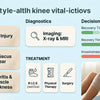
Diagnosing shoulder arthritis typically involves a thorough physical examination and imaging tests. During the exam, a healthcare professional will assess your pain, range of motion, and shoulder strength. Imaging tests may include:
- X-rays: These are usually the first step and show bone spurs, joint-space narrowing, and other signs of cartilage loss.
- MRI (Magnetic Resonance Imaging): Provides detailed images of soft tissues, including cartilage, tendons (such as the rotator cuff), and ligaments, helping identify other potential issues, such as a rotator cuff tear. Understanding whether a torn rotator cuff can heal on its own matters, as it can influence treatment decisions.
- CT Scan (Computed Tomography): Offers detailed bone images, useful for surgical planning, especially for shoulder replacement.
Differentiating shoulder arthritis from other shoulder conditions, such as bursitis or tendinitis, matters because treatment approaches vary.

Conservative Treatments
Most cases of shoulder arthritis initially respond well to non-surgical approaches.
- Rest and Activity Modification: Avoiding activities that aggravate the shoulder, such as overhead movements or heavy lifting.
- Pain Management: Over-the-counter pain relievers (such as acetaminophen) or non-steroidal anti-inflammatory drugs (NSAIDs) can help manage pain and inflammation.
- Physical Therapy: A structured exercise program can strengthen the muscles around the shoulder, improve flexibility, and maintain the range of motion.
- Support and Bracing: Using a shoulder brace for a torn rotator cuff or other supportive devices can help stabilize the joint, reduce pain, and limit unwanted motion. Many wonder: Do shoulder braces work? The answer often depends on the type and severity of the condition, but they can provide support and compression. If you need significant support, especially during activity, consider a rotator cuff brace for sports. When to wear a double compression shoulder brace depends on how much support you need for stability and pain reduction.
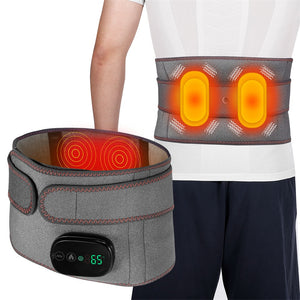
- Heat and Cold Therapy: Applying ice packs can reduce inflammation and swelling, while heat packs can relax muscles and improve circulation.
Living with Shoulder Arthritis
Managing shoulder arthritis involves a combination of medical treatments and lifestyle adjustments. Regular, gentle exercise recommended by a physical therapist, maintaining a healthy weight, and ergonomic adjustments at work or home can all help. Learning how to relieve shoulder blade pain while sleeping can also help manage nocturnal discomfort. For comprehensive support, some individuals might find a double shoulder support brace beneficial.
-
Veröffentlicht in
Shoulder pain