Hip Arthritis and Osteoarthritis

Hip arthritis, most commonly osteoarthritis (OA), is a degenerative joint condition that affects millions, impacting daily activities and quality of life. The hip joint, a crucial ball-and-socket joint, is designed for smooth movement and weight-bearing. When arthritis takes hold, this smooth operation is disrupted, leading to pain, stiffness, and reduced mobility.
What is Hip Osteoarthritis?
Osteoarthritis, often referred to as "wear-and-tear" arthritis, is the most prevalent form of arthritis affecting the hip. It occurs when the cartilage that cushions the ends of the bones within the hip joint gradually wears away. Cartilage provides a smooth, gliding surface for joint movement. As it erodes, the bones begin to rub against each other, causing friction, pain, inflammation, and the formation of bone spurs (osteophytes). This progressive deterioration can significantly limit the hip's range of motion and overall function.
Causes and Risk Factors
While osteoarthritis is a natural part of aging for some, several factors can increase the risk of developing hip OA:
- Age: The risk of developing osteoarthritis increases significantly with age.
- Genetics: A family history of osteoarthritis can increase susceptibility.
- Previous Hip Injury: Past injuries, such as fractures, dislocations, or other hip trauma, can accelerate cartilage breakdown.
- Obesity: Excess body weight places increased stress on the hip joints, contributing to cartilage wear.
- Joint Deformities: Congenital hip conditions or other developmental abnormalities can predispose individuals to OA.
- Repetitive Stress: Certain occupations or sports that involve high-impact activities or repetitive hip movements may increase the risk of developing it over time.
Symptoms of Hip Osteoarthritis
- Pain: Often felt in the groin, outer thigh, or buttocks. The pain may radiate down to the knee and is usually worse with activity and relieved by rest, though it can become constant in advanced stages. It might also be noticeable after periods of inactivity, such as first thing in the morning.
- Stiffness: A feeling of stiffness in the hip, especially after waking up or prolonged sitting, which often improves with movement.
- Reduced Range of Motion: Difficulty moving the leg in certain directions, such as lifting it, rotating it outwards, or bending down to tie shoes.
- Grinding Sensation: A creaking, clicking, or grinding sound (crepitus) may be felt or heard as the joint moves.
- Limping: To minimize pain, individuals may alter their gait, leading to a noticeable limp.
- Hip Weakness: Muscles around the hip may weaken due to disuse and pain.
It's crucial to be aware of any sudden or severe changes in pain, especially if accompanied by fever, chills, or significant swelling. Consulting a healthcare professional is important for proper diagnosis and for ruling out other conditions, particularly to identify potential red flags for hip pain that might indicate a more urgent issue.
Diagnosis of Hip Osteoarthritis
- Physical Examination: A healthcare professional will assess your hip's range of motion, tenderness, and stability. They will also observe your gait.
- Medical History: Discussing your symptoms, their onset, and any relevant past injuries or family history.
-
Imaging Tests:
- X-rays: These are usually the first imaging tests ordered and can show cartilage loss by revealing a narrowing of the space between the bones in the joint, as well as bone spurs.
- MRI (Magnetic Resonance Imaging): May be used to provide more detailed images of cartilage, soft tissues, and other joint structures, especially if the diagnosis is unclear or other conditions are suspected.

Management and Treatment Options
Conservative Approaches
Initially, treatment usually focuses on non-surgical methods:
-
Lifestyle Modifications:
- Weight Management: Losing excess weight can significantly reduce stress on the hip joint.
- Low-Impact Exercise: Activities such as swimming, cycling, and walking can strengthen the muscles around the hip without excessive joint impact.
- Activity Modification: Avoiding or reducing activities that aggravate pain.
- Physical Therapy: A physical therapist can design an exercise program to improve hip strength, flexibility, and range of motion. They can also teach proper body mechanics to protect the joint.
-
Pain Management:
- Over-the-counter pain relievers: Such as acetaminophen or nonsteroidal anti-inflammatory options.
- Prescription medications: For more severe pain, a doctor may prescribe stronger options.
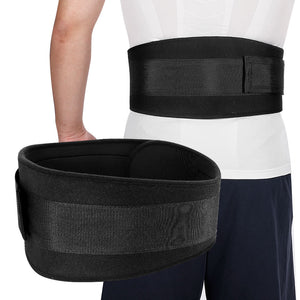
- Supportive Devices: Canes or walkers can help reduce stress on the hip joint and improve stability. Some individuals may also benefit from supportive options such as a well-designed hip support brace, which can provide compression, stability, and pain relief during daily activities.
- Heat and Cold Therapy: Applying heat can relax muscles and improve blood flow, while cold packs can reduce inflammation and numb pain.
Advanced Treatments
If conservative treatments are not sufficient, other options may be considered:
-
Injections:
- Corticosteroid injections: Can temporarily reduce inflammation and pain in the joint.
- Hyaluronic acid injections: Aim to lubricate the joint and improve cushioning, though their effectiveness in hip OA remains debated.
-
Surgery: When severe pain and disability persist despite non-surgical treatments, surgical intervention may be recommended.
- Arthroscopy: A minimally invasive procedure to clean out loose cartilage or repair damaged tissue.
- Osteotomy: Involves reshaping the bone to realign the joint and redistribute weight more evenly.
- Total Hip Replacement (Arthroplasty): The most common surgical procedure for severe hip OA, where the damaged bone and cartilage are removed and replaced with prosthetic components. Following this procedure, wearing a hip brace after surgery is often crucial for stabilization and recovery.
Living with Hip Osteoarthritis
Managing hip osteoarthritis is an ongoing process that often requires a proactive approach. Beyond medical treatments, incorporating strategies into daily life can significantly improve comfort and function:
- Stay Active: Regular, appropriate exercise is vital for maintaining joint health, muscle strength, and flexibility. Focus on low-impact activities.
- Listen to Your Body: Pay attention to pain signals and avoid overexertion. Rest when needed, but also avoid prolonged inactivity.
- Ergonomics: Adapt your environment to minimize hip strain. Use chairs that are easy to get in and out of, and consider aids for reaching or dressing.
- Mind-Body Techniques: Practices like yoga, tai chi, and meditation can help manage pain and stress.
- Nutrition: A balanced diet rich in anti-inflammatory foods can support overall joint health.
- Address Related Pain: Sometimes hip pain can be linked to other issues, and finding ways to relieve sciatica-related hip pain can be an important part of a comprehensive pain management plan.
- Focus on Mobility: Even with osteoarthritis, a focus on mobility enhancement can help individuals maintain independence and continue engaging in activities they enjoy. This is especially true in cases of severe bone-on-bone arthritis, where preserving movement becomes a key challenge.
When to Seek Medical Advice
If you experience persistent hip pain, stiffness, or difficulty with daily activities, it's important to consult a healthcare professional. Early diagnosis and intervention can help manage symptoms, slow disease progression, and preserve joint function. Seek immediate medical attention if you experience sudden, severe hip pain, inability to bear weight on your leg, or hip pain accompanied by fever or chills.
-
Veröffentlicht in
Hip Injury