Hip Bursitis
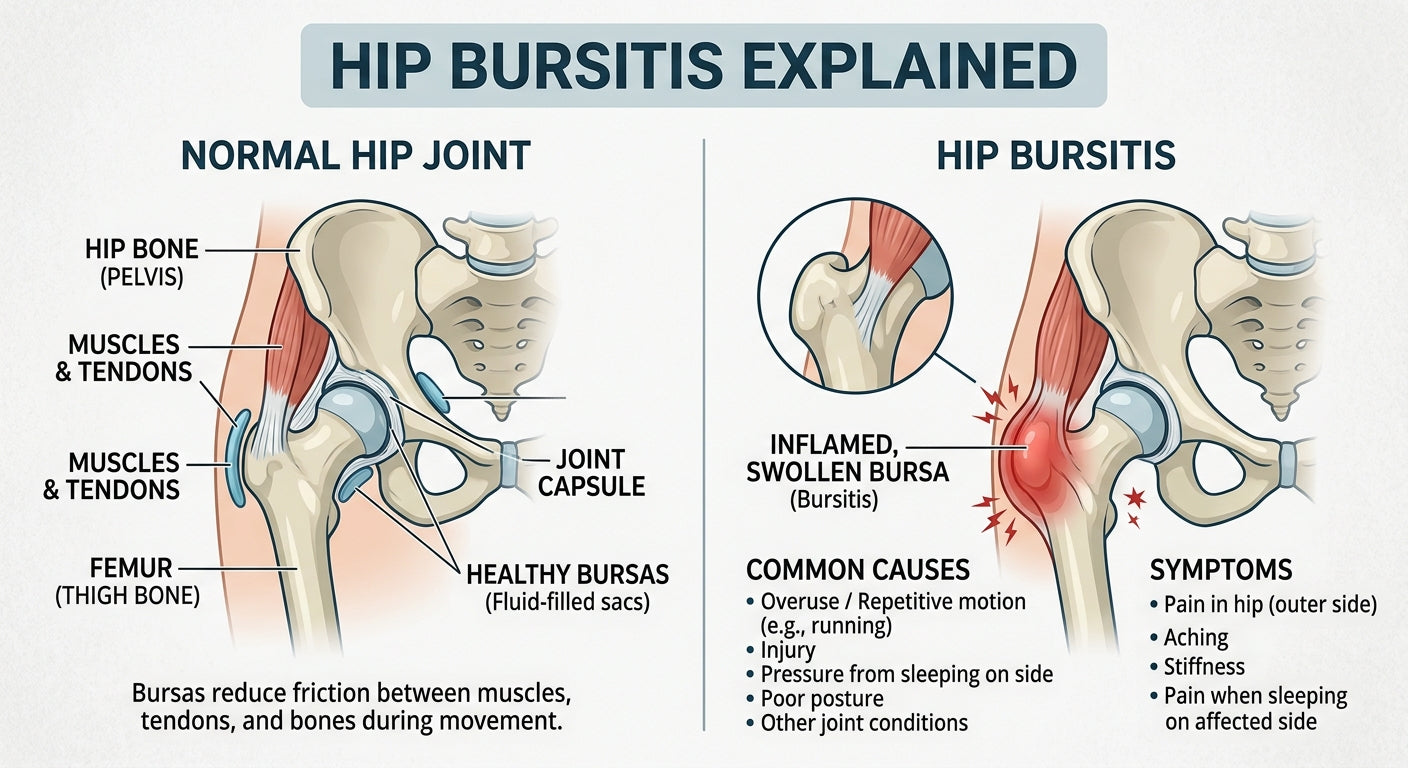
Hip bursitis, medically known as trochanteric bursitis, is a common condition characterized by inflammation of the bursae located in your hip. Bursae are small, fluid-filled sacs that cushion bones, tendons, and muscles and reduce friction during movement. When these sacs, particularly the trochanteric bursa on the outside of your hip, become inflamed, they can cause pain and discomfort that significantly affect daily activities and quality of life.
This condition most frequently affects the greater trochanter, the bony prominence on the outer part of your femur (thigh bone). While it can affect anyone, it is more prevalent in women and older adults.
What Causes Hip Bursitis?
- Repetitive Stress or Overuse: Activities that involve repeated hip movements, such as running, cycling, climbing stairs, or prolonged standing, can irritate the bursa.
- Hip Injury: A direct fall onto the hip, a bump, or prolonged pressure on the hip (e.g., sleeping on one side) can lead to inflammation.
- Leg Length Discrepancy: When one leg is significantly shorter than the other, it can affect your gait and place increased stress on the hip of the longer leg.
- Spine Problems: Conditions such as scoliosis, lower back arthritis, or other spinal issues can alter your posture and gait, contributing to hip irritation.
- Weak Hip Muscles: Insufficient strength in the gluteal muscles can lead to improper biomechanics during movement, increasing friction on the bursa.
- Bone Spurs or Calcium Deposits: Abnormal bone growths or calcium buildup in the tendons that attach to the trochanter can irritate the bursa.
- Underlying Conditions: Certain inflammatory conditions, like rheumatoid arthritis, gout, or thyroid disease, can predispose individuals to bursitis. In some cases, infection can also cause septic bursitis.
- Previous Surgery: Surgery around the hip or spine can sometimes lead to hip bursitis.
- Poor Posture or Gait: An inefficient walking pattern or poor posture can place unnecessary strain on the hip joint, causing hip pain when walking.
Understanding what causes aching hips is the first step toward effective management and prevention.
Recognizing the Symptoms
- Tenderness: The area around the greater trochanter is often tender to the touch.
- Aggravated by Activity: Pain typically worsens with activities such as walking, running, climbing stairs, or getting up from a chair.
- Worse at Night: Lying on the affected side can intensify the pain and disrupt sleep.
- Stiffness: The hip may feel stiff, especially after periods of inactivity.
- Clicking or Snapping Sensation: In some cases, you may feel a snapping or clicking sensation around the hip.
If you have severe pain, swelling, redness, or fever along with hip pain, these could be red flags for a more serious condition, and you should seek medical attention promptly.
Diagnosing Hip Bursitis
Diagnosing hip bursitis typically involves a thorough physical examination and a review of your medical history. Your healthcare provider will ask about your symptoms, activities, and any previous injuries. During the examination, they will palpate the hip area for tenderness and may ask you to perform specific movements to assess your range of motion and identify pain triggers.
In most cases, imaging tests are not necessary for diagnosis, but they might be used to rule out other conditions or confirm the diagnosis:
- X-rays: Primarily used to rule out bone abnormalities or arthritis.
- MRI (Magnetic Resonance Imaging): Can provide detailed images of soft tissues, including the bursae, and help differentiate bursitis from other conditions such as tendon tears or piriformis syndrome.
- Ultrasound: Can visualize bursal inflammation and guide injections.
Treatment and Management Strategies
Treatment for hip bursitis typically begins with conservative, non-surgical approaches. The goal is to reduce pain and inflammation and restore normal hip function.
Conservative Treatments
- Rest: Avoiding activities that aggravate the hip pain is crucial for healing.
- Ice Application: Applying ice packs to the affected area for 15-20 minutes several times a day can help reduce inflammation and pain.
- Pain Relief Medications: Over-the-counter nonsteroidal anti-inflammatory drugs (NSAIDs), such as ibuprofen and naproxen, can help manage pain and inflammation. Always consult a healthcare professional before starting any medication.
-
Physical Therapy: A physical therapist can design a tailored exercise program to:
- Stretch tight muscles (e.g., the IT band and hip flexors).
- Strengthen hip abductor muscles and core muscles.
- Improve flexibility and range of motion.
- Correct gait abnormalities and posture.
- Assistive Devices: For a short period, crutches or a cane may be recommended to reduce weight-bearing on the affected hip.
- Injection Therapy: If conservative measures are insufficient, a corticosteroid injection directly into the bursa can provide significant pain relief by reducing inflammation. This is often combined with a local anesthetic.
- Activity Modification: Identifying and adjusting activities that trigger your pain is essential for long-term management.
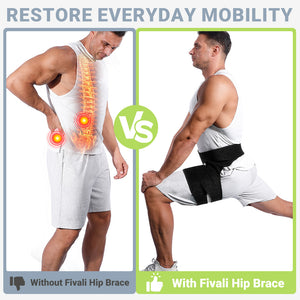
- Hip Support: Some individuals find relief with a thigh compression sleeve or a specialized hip brace for external support and stability, especially during recovery or activity.
Surgical Treatment
Surgery for hip bursitis is rare and typically considered only after an extended period of conservative treatments (usually 6-12 months) have failed. The procedure, often performed arthroscopically (minimally invasive), involves removing the inflamed bursa (bursectomy). Recovery usually involves physical therapy to regain strength and mobility.
Prevention Tips
- Strengthen Hip and Core Muscles: Regular exercises that target the gluteal muscles, hip abductors, and core can improve stability and support the hip joint.
- Stretch Regularly: Keep your hip flexors, IT band, and hamstrings flexible to prevent tightness that can contribute to bursa irritation.
- Maintain a Healthy Weight: Excess body weight adds stress to your hip joints.
- Avoid Repetitive Activities that Aggravate Pain: Listen to your body and modify or take breaks from activities that cause hip discomfort.
- Use Proper Footwear: Wear supportive, well-fitting shoes to maintain proper alignment and absorb shock.
- Address Leg Length Discrepancy: If you have a significant leg-length discrepancy, shoe inserts or orthotics can help equalize leg lengths and improve gait.
- Sleep Posture: If you sleep on your side, place a pillow between your knees to keep your hips aligned and reduce pressure on the bursa.
- Progressive Training: Gradually increase the intensity and duration of new exercises or activities to allow your body to adapt.
Bursitis duration varies, and understanding how long it lasts helps manage expectations during recovery. While some cases resolve in a few weeks with rest and conservative care, others might take several months. Staying proactive with treatment and preventive measures is key to long-term relief.
-
Veröffentlicht in
Hip Injury