Hip Flexor Strains
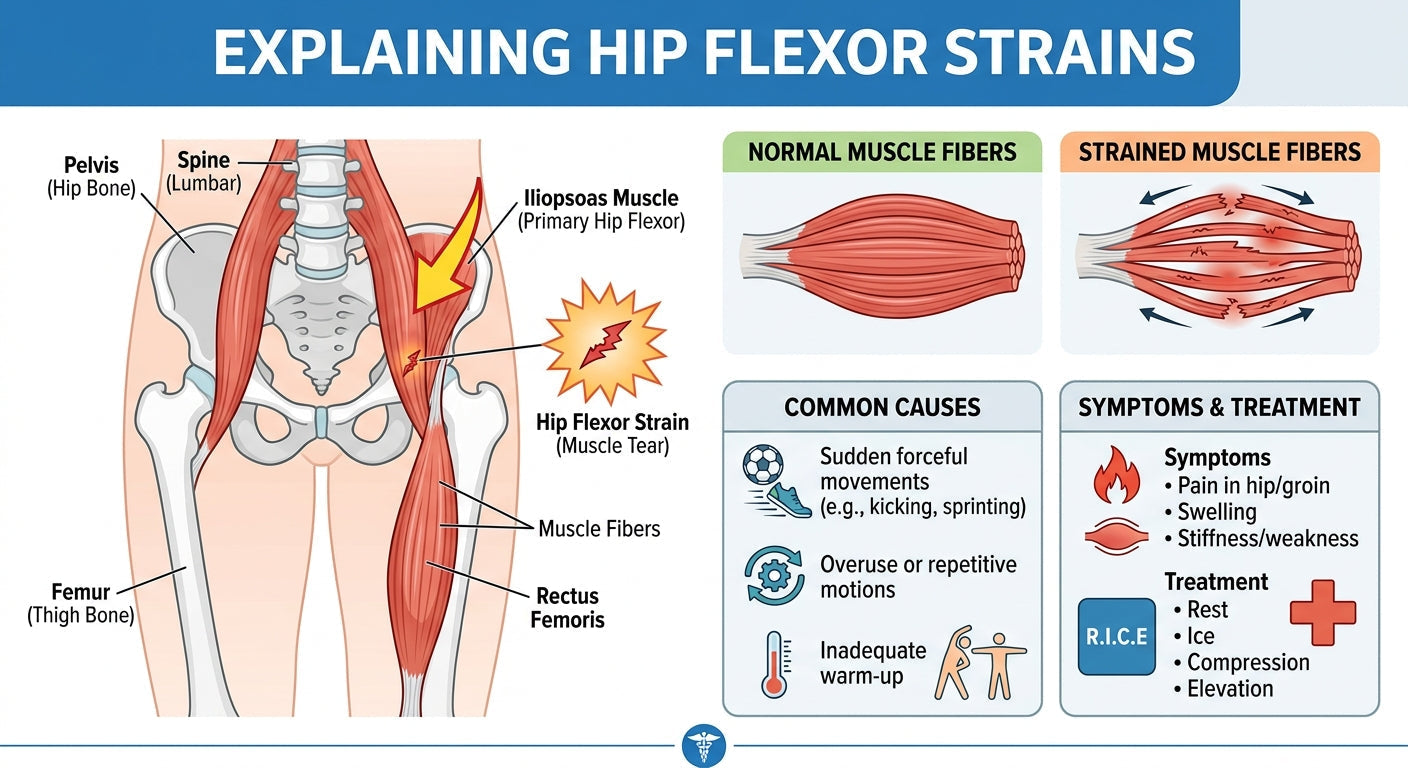
Hip flexor strains are common injuries, particularly among athletes and individuals who perform powerful leg movements. These injuries occur when one or more of the muscles that help you lift your knee towards your torso or bend at your waist are stretched or torn.
The hip flexors are a group of muscles located at the front of your hip. The primary muscles involved include the iliopsoas (a combination of the psoas and iliacus muscles) and the rectus femoris, which is one of the quadriceps muscles. These muscles play a vital role in walking, running, kicking, and maintaining posture.
Causes of Hip Flexor Strains
Hip flexor strains most often result from sudden, forceful movements, such as sprinting, kicking, or rapid changes in direction. Other common causes include:
- Overuse: Repetitive motions without adequate rest can cause muscle fatigue and increase injury risk.
- Lack of warm-up: Insufficient preparation before physical activity leaves muscles stiff and less elastic, increasing the risk of strain.
- Poor flexibility: Tight hip flexors are more injury-prone. Regularly working to increase flexibility in the legs can significantly reduce this risk.
- Muscle imbalance: Weak core muscles or imbalances between the hip flexors and their opposing muscles can contribute to strain.
- Prior injury: A history of hip or groin injuries can predispose you to future strains.
Symptoms of a Hip Flexor Strain
- Pain in the front of the hip or groin area, especially when lifting the knee or walking.
- Tenderness to the touch in the affected area.
- Bruising or swelling in the hip or groin (more common in moderate to severe strains).
- Difficulty or pain when stretching the hip flexors.
- A feeling of stiffness or weakness in the hip.
- Inability to bear weight on the affected leg (in severe cases).
Grades of Hip Flexor Strains
- Grade 1 (Mild): A minor pull or stretch in the muscle fibers. You might feel a dull ache, but you usually maintain full range of motion, though it may be uncomfortable.
- Grade 2 (Moderate): A partial tear of the muscle fibers. This causes more noticeable pain, some loss of strength, and difficulty with activities like walking or running. You may also have swelling and tenderness.
- Grade 3 (Severe): A complete rupture of the muscle. This is very painful, and you may experience a "popping" sensation at the time of injury. Significant swelling, bruising, and a considerable loss of function make it difficult to move the leg.
Diagnosis
Diagnosing a hip flexor strain typically involves a physical exam in which a professional assesses your symptoms, range of motion, and tenderness. They may ask you to perform certain movements to pinpoint the source of pain. In some cases, imaging tests like an MRI or ultrasound may confirm the diagnosis, determine the extent of the injury, and rule out other conditions.
Recovery Insights and Support Options

Treatment Options
R.I.C.E. Protocol:
-
- Rest: Avoid activities that worsen the pain. For severe strains, a doctor may recommend crutches.
- Ice: Apply ice packs to the affected area for 15-20 minutes at a time, several times a day, to reduce swelling and pain.
- Compression: A thigh compression sleeve can help minimize swelling and support injured muscles.
- Elevation: Elevating the leg can help reduce swelling.
- Pain Management: Over-the-counter pain relievers can help manage discomfort.
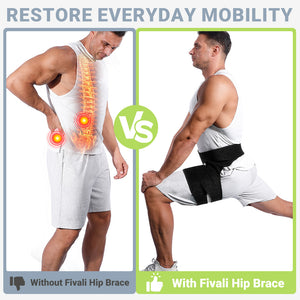
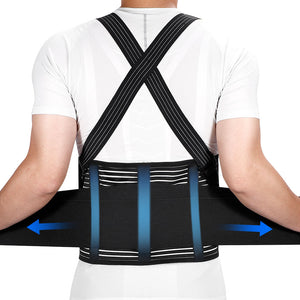
- Physical Therapy: A physical therapist can guide you through a personalized rehabilitation program. This will include gentle stretches to improve flexibility and specific exercises to strengthen the hip flexors, core, and surrounding muscles. They may also suggest using supportive gear, such as a hip brace or a hip-and-leg brace, during recovery and return to activity.
- Medical Intervention: In rare cases of severe Grade 3 tears, doctors may consider surgery, though it's uncommon for hip flexor strains.
Rehabilitation Exercises
Once the initial pain and swelling have subsided, a gradual exercise program is vital. This typically starts with gentle stretches, such as kneeling hip flexor stretches, and progresses to strengthening exercises like straight-leg raises, bridges, and clamshells. Performing these exercises correctly is crucial to avoid re-injury. Addressing postural issues, such as a prominent arch in your back or a swayback, can also be important, as they can affect hip mechanics.
Prevention
- Warm-up: Always perform a dynamic warm-up before exercise to prepare your muscles.
- Cool-down and Stretching: After activity, cool down and stretch your hip flexors and surrounding muscles.
- Strengthening: Add core and glute-strengthening exercises to your routine.
- Proper Technique: Learn and use correct form for all exercises and sports-specific movements.
- Gradual Progression: Gradually increase workout intensity and duration.
- Supportive Gear: In some cases, hip flexor braces can provide additional support during activity or recovery, enhancing stability.
- Listen to Your Body: Don't push through pain. Rest when needed to prevent overuse injuries.
When to See a Professional
While many mild hip flexor strains can be managed with rest and home care, it's important to consult a healthcare professional if:
- You experience severe pain or a "popping" sensation at the time of injury.
- You cannot bear weight on the affected leg.
- Symptoms worsen or do not improve after a few days of self-care.
- You experience numbness or tingling, or suspect it might be more than just a muscle strain and possibly related to sciatica.
Recovery Timeline
- Grade 1: Often heals within 1-3 weeks.
- Grade 2: Can take 3-6 weeks or longer.
- Grade 3: May require several months of rehabilitation.
A gradual, structured return to activity, guided by a healthcare professional or physical therapist, is key to preventing reinjury and ensuring a full recovery.
-
Veröffentlicht in
Hip Injury