Hip Tendonitis
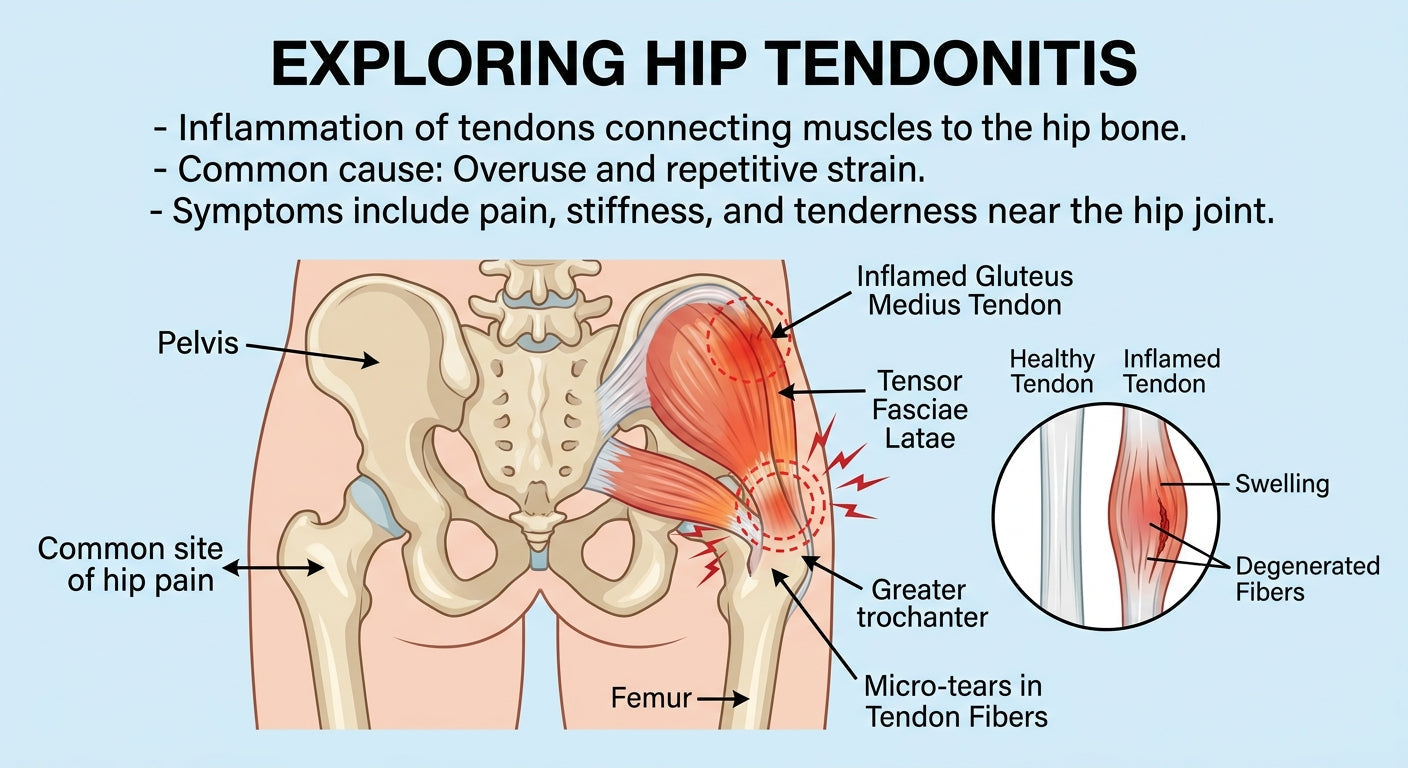
Hip tendonitis is a common condition characterized by inflammation or irritation of the tendons surrounding the hip joint. These strong, fibrous cords connect muscles to bones and enable movement. When they become inflamed, they can cause pain, stiffness, and reduced mobility, significantly affecting daily activities and quality of life.
What is Hip Tendonitis?
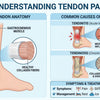
Tendonitis is essentially an overuse injury. In the hip, it often affects tendons such as the iliopsoas (anterior), gluteal tendons (lateral, especially the gluteus medius and minimus), or hamstring tendons (posterior). Repetitive motions, sudden increases in physical activity, or direct trauma can stress these tendons beyond their capacity, leading to microscopic tears and inflammation. While the term "tendonitis" implies inflammation, chronic cases might involve degeneration of the tendon tissue, a condition sometimes referred to as tendinosis.
Common Causes of Hip Tendonitis
- Repetitive Motions: Activities that involve repeated hip flexion, extension, or abduction are the primary culprits. This includes sports like running, cycling, dancing, and soccer, as well as certain occupations.
- Sudden Increase in Activity: Abruptly intensifying a workout routine or starting a new strenuous activity without proper conditioning can overload the tendons.
- Improper Biomechanics: Poor posture, muscle imbalances (e.g., weak core or glute muscles), or gait abnormalities can place undue stress on the hip tendons.
- Age-Related Changes: As we age, tendons can lose some elasticity and become more susceptible to injury.
- Previous Injuries: A history of hip or lower-extremity injuries can predispose individuals to tendinitis.
- Tight Muscles: Tight hip flexors, hamstrings, or IT band can increase tension on the surrounding tendons.
Recognizing the Symptoms
Common signs include:
- Pain: Often localized to the front of the hip (iliopsoas tendonitis), the outer side of the hip (gluteal tendonitis), or the buttock/upper thigh (hamstring tendonitis). The pain usually worsens with activity and improves with rest.
- Stiffness: Especially noticeable after periods of inactivity, such as first thing in the morning or after sitting for a long time.
- Tenderness: The affected area may be tender to the touch.
- Clicking or Snapping Sensation: Sometimes, you may feel a snapping sensation in the hip, particularly with iliopsoas tendonitis.
- Reduced Range of Motion: Difficulty moving the hip through its full range, especially when performing activities that aggravate the tendon.
- Pain when walking: If your hips hurt when you walk for extended periods, it could be a sign of tendon irritation.
If you have severe hip pain with fever, chills, or an inability to bear weight, these may be red flags that warrant immediate medical attention.

Diagnosis of Hip Tendonitis
Diagnosing hip tendonitis typically involves a thorough medical history, physical examination, and sometimes imaging tests. Your healthcare provider will ask about your symptoms, activities, and any previous injuries. During the physical exam, they will assess your hip's range of motion, pinpoint areas of tenderness, and perform specific tests to identify which tendons are affected.
While X-rays can help rule out bone-related issues such as fractures or arthritis, they do not show tendons well. Magnetic Resonance Imaging (MRI) or ultrasound may be used to visualize the tendons and confirm inflammation or degeneration.
Effective Treatment Options
Conservative Management
- Rest: Avoid activities that aggravate the tendon. This doesn't necessarily mean complete immobilization, but rather modifying or temporarily stopping painful movements.
- Ice: Applying ice packs to the affected area for 15-20 minutes several times a day can help reduce inflammation and pain, especially after activity.
- Pain Relief: Over-the-counter nonsteroidal anti-inflammatory drugs (NSAIDs), such as ibuprofen and naproxen, can help manage pain and inflammation. Always consult your doctor before taking new medications.
-
Physical Therapy: A physical therapist can provide a tailored exercise program focusing on:
- Stretching: To improve flexibility and reduce tension in tight muscles.
- Strengthening: To build strength in the hip and surrounding muscles (core, glutes) to support the joint and prevent future injury.
- Education: Guidance on proper body mechanics, activity modification, and gradual return to activity.
- Activity Modification: Learning to adjust your movements and techniques during sports or daily activities can help prevent reinjury.
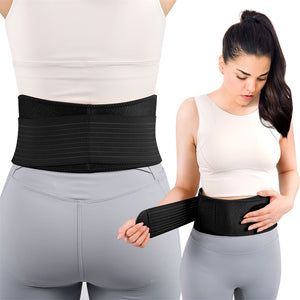
- Supportive Devices: In some cases, a hip brace might be recommended to provide support, compression, and joint stabilization during recovery, especially during activity or after significant irritation.
- Addressing Underlying Issues: Correcting muscle imbalances, improving posture, and ensuring proper footwear are vital for long-term prevention. If you're also dealing with symptoms like relief for sciatica hip pain, a holistic approach to hip health is often beneficial.
Medical Interventions
If conservative treatments don't provide sufficient relief, a healthcare provider may suggest further interventions:
- Corticosteroid Injections: A corticosteroid injection around the affected tendon can reduce inflammation and provide temporary pain relief. These are typically used sparingly due to potential side effects and risks to tendon health.
- Platelet-Rich Plasma (PRP) Injections: Some studies suggest PRP injections, which use a concentration of your own blood platelets, may aid in tendon healing.
- Dry Needling: This technique involves inserting thin needles into muscle trigger points to relieve tension and promote healing.
- Surgery: Rarely needed for hip tendonitis. Consider it in chronic cases with a significant tendon tear or when other treatments have failed to provide relief after an extended period. Rehabilitation after surgery, potentially involving a hip brace after surgery, is crucial for recovery.
Preventing Recurrence
- Warm-Up and Cool-Down: Always perform dynamic warm-ups before exercise and gentle stretches afterward.
- Gradual Progression: Increase the intensity, duration, or frequency of your activities slowly to allow your tendons to adapt.
- Strengthening and Flexibility: Maintain a balanced exercise program that includes hip and core strengthening and flexibility exercises. Consider routines designed to relieve hip and lower back pain to address contributing factors.
- Proper Technique: Ensure correct form during sports and daily activities. Consider professional coaching for activities that involve repetitive motions.
- Listen to Your Body: Pay attention to pain signals and take rest days when needed. Don't push through pain.
- Maintain a Healthy Weight: Excess body weight can put additional stress on your hip joints and tendons.
Hip tendonitis can be frustrating, but with proper diagnosis and a consistent treatment plan, most individuals experience significant improvement and can return to their desired activities.
-
Veröffentlicht in
Hip Injury