Osteoarthritis Of The Knee
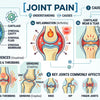
Osteoarthritis of the knee, often referred to simply as knee OA, is a prevalent and often debilitating condition affecting millions worldwide. It is a degenerative joint disease characterized by cartilage breakdown in the knee joint, leading to pain, stiffness, and reduced mobility.
Understanding Your Knee: The Basics
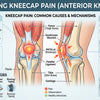
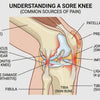
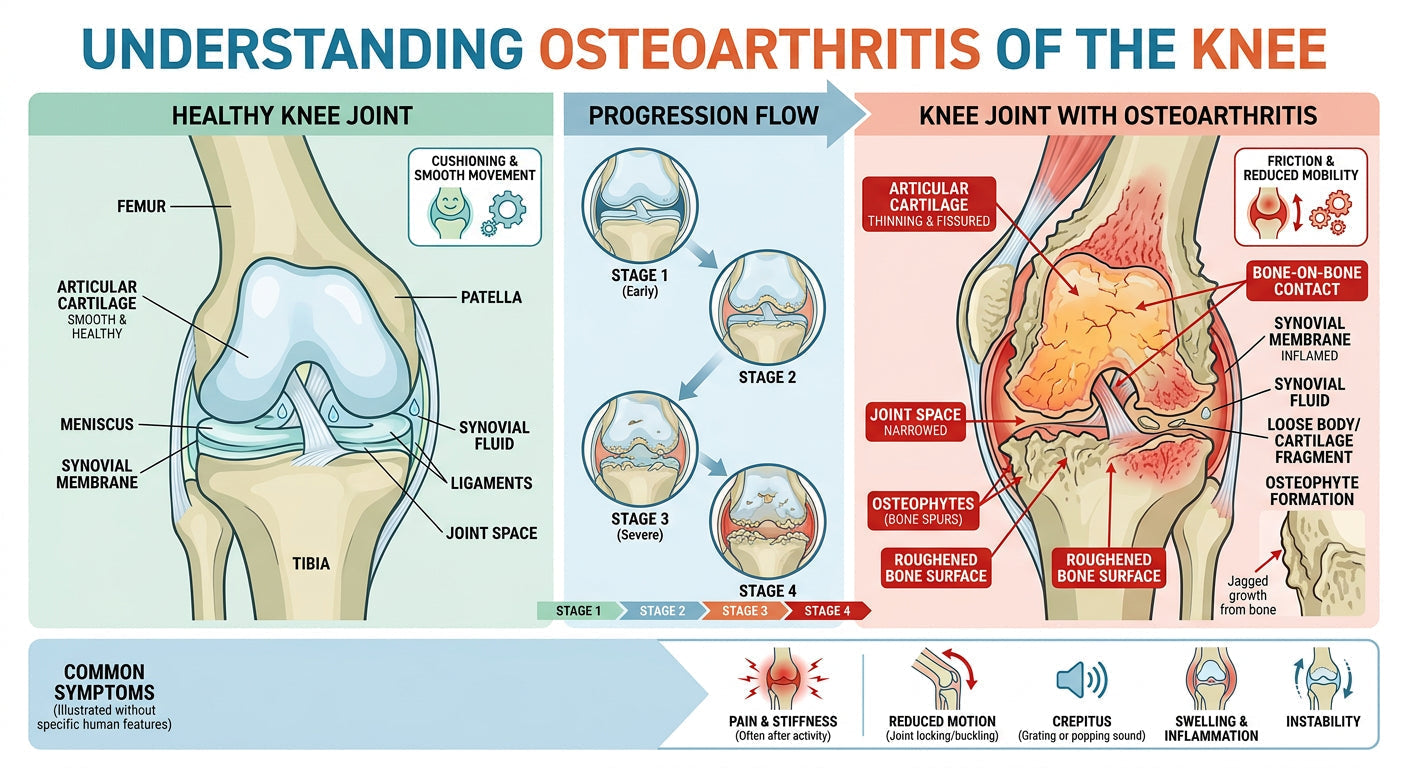
To grasp osteoarthritis, it helps to understand the knee's structure. The knee is a complex hinge joint where the thigh bone (femur) meets the shin bone (tibia), and the kneecap (patella) glides in a groove. The ends of these bones are covered with a smooth, slippery tissue called articular cartilage. This cartilage acts as a cushion, allowing the bones to move effortlessly against each other without friction. Within the joint, a thick fluid, synovial fluid, further lubricates and nourishes the cartilage. In osteoarthritis, this protective cartilage gradually wears away, causing bones to rub directly against each other.
What Causes Osteoarthritis Of The Knee?
Osteoarthritis of the knee can arise from a combination of factors, often categorized into primary and secondary causes:
- Primary Osteoarthritis: This type has no clear identifiable cause, though it is strongly linked to the natural aging process and genetic predisposition. Over time, the wear and tear on joints accumulates, making them more susceptible to cartilage degradation.
-
Secondary Osteoarthritis: This type develops as a result of another condition or injury. Common contributing factors include:
- Age: The risk of developing knee OA increases significantly with age.
- Genetics: A family history of osteoarthritis can increase your likelihood of developing it.
- Obesity: Excess body weight places increased stress on the knee joints, accelerating cartilage breakdown. Even a modest amount of losing weight for knee pain can significantly reduce the load on your knees.
- Previous Knee Injury: Trauma such as fractures, ligament tears (e.g., ACL injuries), or meniscus tears can predispose the knee to early-onset osteoarthritis.
- Repetitive Stress: Certain occupations or sports that involve frequent kneeling, squatting, or heavy lifting can increase the risk.
- Other Medical Conditions: Inflammatory conditions like rheumatoid arthritis, metabolic disorders, or infections can also contribute to cartilage damage.
Recognizing the Symptoms
- Pain: This is often the most prominent symptom, usually worse during or after activity and improving with rest.
- Stiffness: Especially noticeable in the morning or after periods of inactivity. It can feel like your knee is "locked" or difficult to move.
- Swelling: Soft tissue swelling around the joint may occur due to inflammation.
- Tenderness: The joint may feel tender to the touch, particularly along the joint line.
- Grating or Popping Sensations: You might hear or feel a knee clicking or grinding sensation (crepitus) when moving the knee, indicating bone-on-bone friction. Many people wonder if is cracking knees a sign of arthritis – while common, persistent or painful cracking warrants evaluation.
- Loss of Flexibility: The inability to fully straighten or bend the knee.
- Reduced Mobility: Difficulty performing everyday activities like walking, climbing stairs, or standing for long periods.
Diagnosis of Osteoarthritis Of The Knee
- Medical History: Your healthcare provider will ask about your symptoms, their duration, severity, and any factors that worsen or alleviate them. They will also inquire about past injuries or medical conditions.
- Physical Examination: The doctor will examine your knee for tenderness, swelling, range of motion, and stability. They may also observe your gait (how you walk) to assess functional limitations.
- X-rays: These are the most common imaging tests used to diagnose knee OA. X-rays can show a narrowing of the joint space (indicating cartilage loss), bone spurs (osteophytes), and changes in the bone structure.
- Magnetic Resonance Imaging (MRI): While not always necessary for diagnosis, an MRI can provide a more detailed view of the cartilage, ligaments, tendons, and other soft tissues, helping to rule out other conditions or assess the extent of damage more precisely.

Treatment Options for Osteoarthritis Of The Knee
Conservative Management
-
Lifestyle Modifications:
- Weight Management: Reducing excess body weight significantly decreases the load on your knee joints, alleviating pain and potentially slowing disease progression.
- Activity Modification: Avoiding high-impact activities that aggravate the knee and opting for low-impact exercises like swimming, cycling, or walking.
- Physical Therapy: A tailored exercise program can strengthen the muscles around the knee, improve flexibility, and enhance balance. This helps support the joint and reduce stress.
-
Supportive Devices:
- Knee Braces and Sleeves: These can provide support, stability, and pain relief. There are many options, from simple compression sleeves to more rigid unloading braces. Finding the best knee brace for arthritis or a specific knee brace for osteoarthritis can make a significant difference. For those with advanced stages, a best knee brace for bone on bone can be especially helpful.
- Walking Aids: Canes or walkers can reduce stress on the knee and improve stability.
-
Medications:
- Over-the-counter pain relievers: Acetaminophen (paracetamol) can help with mild to moderate pain.
- Non-steroidal anti-inflammatory drugs (NSAIDs): Oral NSAIDs or topical creams can reduce both pain and inflammation.
- Prescription medications: Stronger pain relievers or other drugs may be prescribed for more severe pain.
-
Injections:
- Corticosteroid Injections: Can provide temporary pain relief by reducing inflammation within the joint.
- Hyaluronic Acid Injections: Lubricate the joint, mimicking the natural synovial fluid, and can offer pain relief for several months.
Advanced Treatments
When conservative methods no longer provide adequate relief, surgical options may be considered, especially in cases of severe bone-on-bone knees.
- Arthroscopy: A minimally invasive procedure where a small camera is inserted into the joint. It can be used to clean out loose cartilage fragments, smooth rough surfaces, or repair minor tears, though its role in treating established OA is limited.
- Osteotomy: Involves reshaping the bones around the knee to shift weight from the damaged part of the joint to a healthier area. This can be an option for younger, active individuals with early-stage OA affecting only one knee.
- Partial or Total Knee Replacement (Arthroplasty): For severe osteoarthritis, especially when knee support for pain and other treatments are no longer effective, replacing the damaged joint surfaces with artificial components can dramatically relieve pain and restore function.
Living with Osteoarthritis Of The Knee
- Regular Exercise: Maintain a consistent, low-impact exercise routine to keep the joint mobile and strengthen surrounding muscles.
- Healthy Diet: A balanced diet supports overall health and helps maintain a healthy weight.
- Heat and Cold Therapy: Applying heat can relax stiff muscles, while cold packs can reduce swelling and numb pain.
- Pain Coping Strategies: Learning relaxation techniques, mindfulness, or seeking counseling can help manage chronic pain.
-
Veröffentlicht in
Knee Injuries