Runners Knee
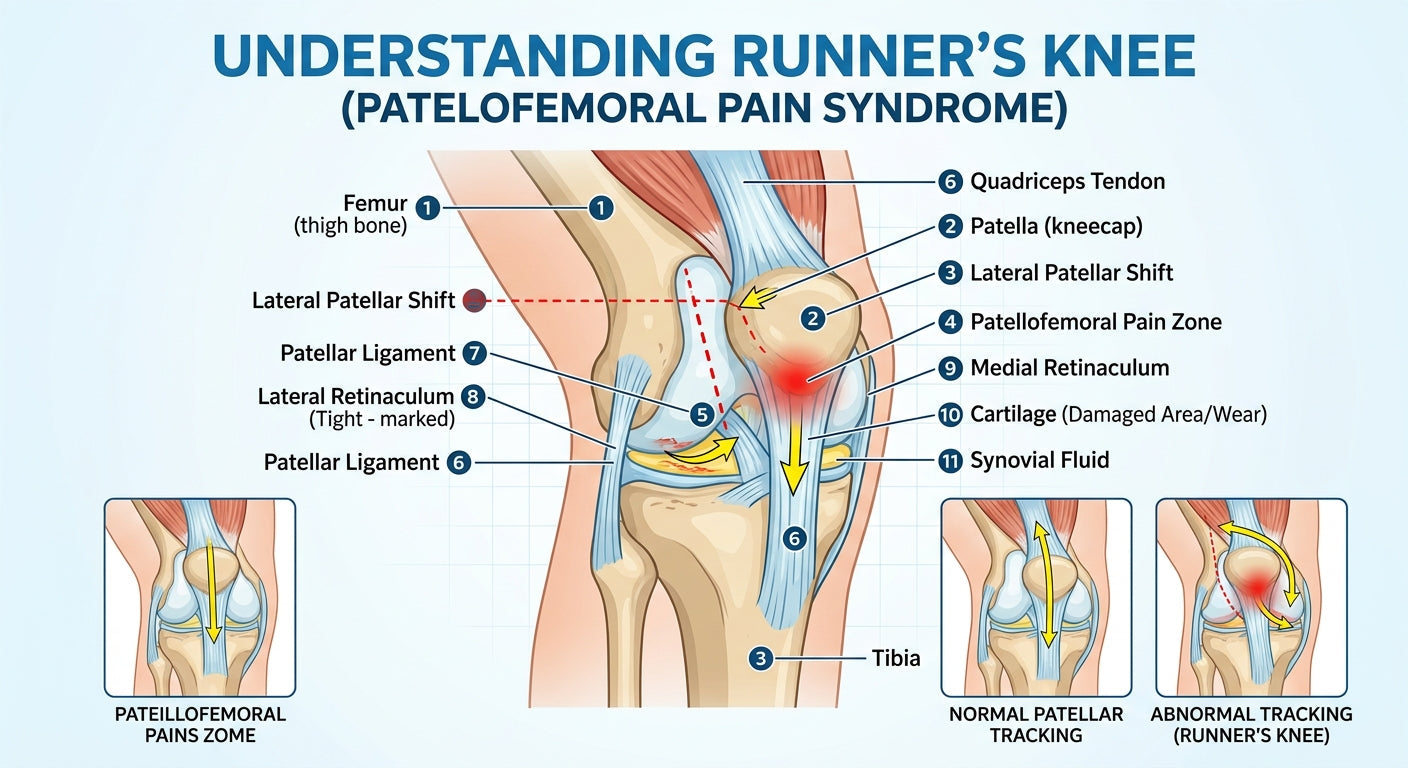
Runner's knee, scientifically known as Patellofemoral Pain Syndrome (PFPS), is a common ailment affecting athletes and active individuals, particularly runners. It manifests as pain around or behind the kneecap, often aggravated by activities that repeatedly bend the knee, such as running, jumping, squatting, or even climbing stairs. While its name suggests an athletic origin, anyone can develop this condition, which stems from various factors that contribute to improper kneecap tracking.
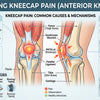
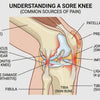
The knee joint is a complex structure where the kneecap (patella) glides in a groove at the end of the thigh bone (femur) as the leg bends and straightens. When this tracking becomes disrupted by muscle imbalances, overuse, or structural issues, the cartilage beneath the kneecap can become irritated and inflamed, leading to the characteristic pain of runner's knee. Understanding the nuances of this condition is the first step toward effective management and a pain-free return to activity. Many individuals experience knee pain only when running, highlighting the specific triggers of PFPS.
The stability and proper movement of the patella are crucial. It's important to understand what holds the patella in place, involving a network of ligaments, tendons, and muscles that work in harmony. Disruptions to this delicate balance can lead to issues like PFPS.

Recognizing the Symptoms of Runner's Knee
The primary symptom of runner's knee is a dull, aching pain behind or around the kneecap. This pain often worsens with specific activities:
- Running, especially downhill
- Walking downstairs or downhill
- Squatting or kneeling
- Sitting for long periods with bent knees ("theater sign")
- Feeling a grinding or popping sensation in the knee, particularly when moving
Unlike some acute injuries, the pain from runner's knee typically develops gradually and may fluctuate in intensity.
Common Causes and Risk Factors
Runner's knee rarely has a single cause; it's often a combination of factors. These can be categorized into biomechanical issues, training errors, and other contributing elements:
Biomechanical Factors:
- Weak Quadriceps or Hip Muscles: Imbalances, especially weak hip abductors and external rotators, can lead to the thigh bone rotating inward, increasing stress on the kneecap.
- Tight Muscles: Tight hamstrings, quadriceps, IT band (iliotibial band), or calf muscles can pull on the kneecap, altering its tracking.
- Foot Mechanics: Flat feet (overpronation) or high arches can affect leg alignment, causing the knee to turn inward.
- Patella Position: Sometimes the kneecap naturally sits higher or lower than ideal, or its shape predisposes it to tracking issues.
Training Errors:
- Sudden Increase in Activity: Rapidly increasing running mileage, intensity, or the duration of other knee-bending activities.
- Inadequate Warm-up or Cool-down: Skipping these vital steps can leave muscles unprepared or overly tight.
- Improper Form: Poor running gait or technique can place undue stress on the knee.
- Worn-out Footwear: Shoes that lack adequate support or cushioning can impair foot and knee mechanics.
Other Contributing Factors:
- Obesity: Increased body mass places greater stress on the knee joints. Finding the best knee support for overweight individuals can be a key part of managing pain.
- Previous Injuries: A history of knee trauma or surgery can predispose individuals to PFPS.
- Age and Gender: While it can affect anyone, runner's knee is common in adolescents and young adults, and women tend to be more susceptible due to wider hips, which lead to a greater Q-angle (the angle at which the thigh bone meets the shin bone).
Treatment and Rehabilitation Strategies
-
Rest and Pain Management:
- Activity Modification: Reduce or temporarily stop activities that aggravate the pain. This doesn't necessarily mean complete immobilization but rather finding pain-free alternatives.
- Ice: Apply ice packs to the affected area for 15-20 minutes several times a day to reduce inflammation and pain.
- Pain Relief: Over-the-counter pain relief can help manage discomfort, but should not be used to "push through" pain.
- Fluid on the Knee: In some cases, chronic irritation can lead to fluid buildup on the knee. If swelling is persistent, professional medical advice is essential.
-
Physical Therapy and Strengthening:
- A qualified physical therapist can assess your gait, muscle strength, and flexibility to identify underlying issues.
- Strengthening Exercises: Focus on strengthening the quadriceps (especially the vastus medialis obliquus, VMO), the hip abductors, the hip external rotators, and the gluteal muscles. These muscles are vital for stabilizing the kneecap and preventing inward collapse of the thigh.
- Stretching: Improve flexibility in tight muscles such as the hamstrings, quadriceps, IT band, and calves.
- Proprioception and Balance: Exercises like single-leg stands or wobble board training can improve knee stability and control.
-
Supportive Measures:
- Footwear: Ensure you wear appropriate running shoes that provide good support and cushioning, replacing them regularly.
- Orthotics: Custom or over-the-counter shoe inserts can correct foot mechanics, such as overpronation.
- Taping or Strapping: Kinesiology taping or patellar strapping can help guide the kneecap and reduce pain. Learning how to strap a knee for running effectively can provide immediate relief and support during recovery.
- Knee Support: For many, finding the best knee brace for patellofemoral pain syndrome can provide significant relief by stabilizing the kneecap and reducing stress. There are various knee support options available, from simple sleeves to more structured braces, designed to assist recovery and prevent recurrence.
Prevention and Long-Term Management
Preventing runner's knee, or preventing its recurrence, involves a commitment to smart training practices and ongoing self-care:
- Gradual Progression: Increase mileage, intensity, and duration of activities slowly (e.g., the 10% rule: don't increase weekly mileage by more than 10%).
- Proper Footwear: Wear appropriate, well-maintained shoes for your activity.
- Warm-up and Cool-down: Always include dynamic stretches before exercise and static stretches afterward.
- Strength and Flexibility: Maintain a consistent exercise routine that targets core strength, hip stability, and leg flexibility.
- Listen to Your Body: Do not ignore pain. If you feel discomfort, reduce your activity level and rest.
- Cross-Training: Incorporate low-impact activities like swimming or cycling to maintain fitness without overstressing the knees.
-
Veröffentlicht in
Knee Injuries