Osgood Schlatter Disease
Osgood-Schlatter disease is a common cause of knee pain in growing adolescents, particularly those who are active in sports involving running, jumping, and rapid changes in direction. While the term "disease" might sound alarming, it is actually an overuse injury characterized by inflammation and irritation of the patellar tendon where it attaches to the growth plate at the top of the shinbone (tibia). This condition is largely self-limiting, meaning it typically resolves on its own once the growth plates mature, but managing the symptoms is key to maintaining activity and comfort during adolescence.
What is Osgood-Schlatter-Disease?
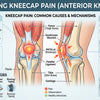
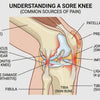
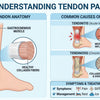
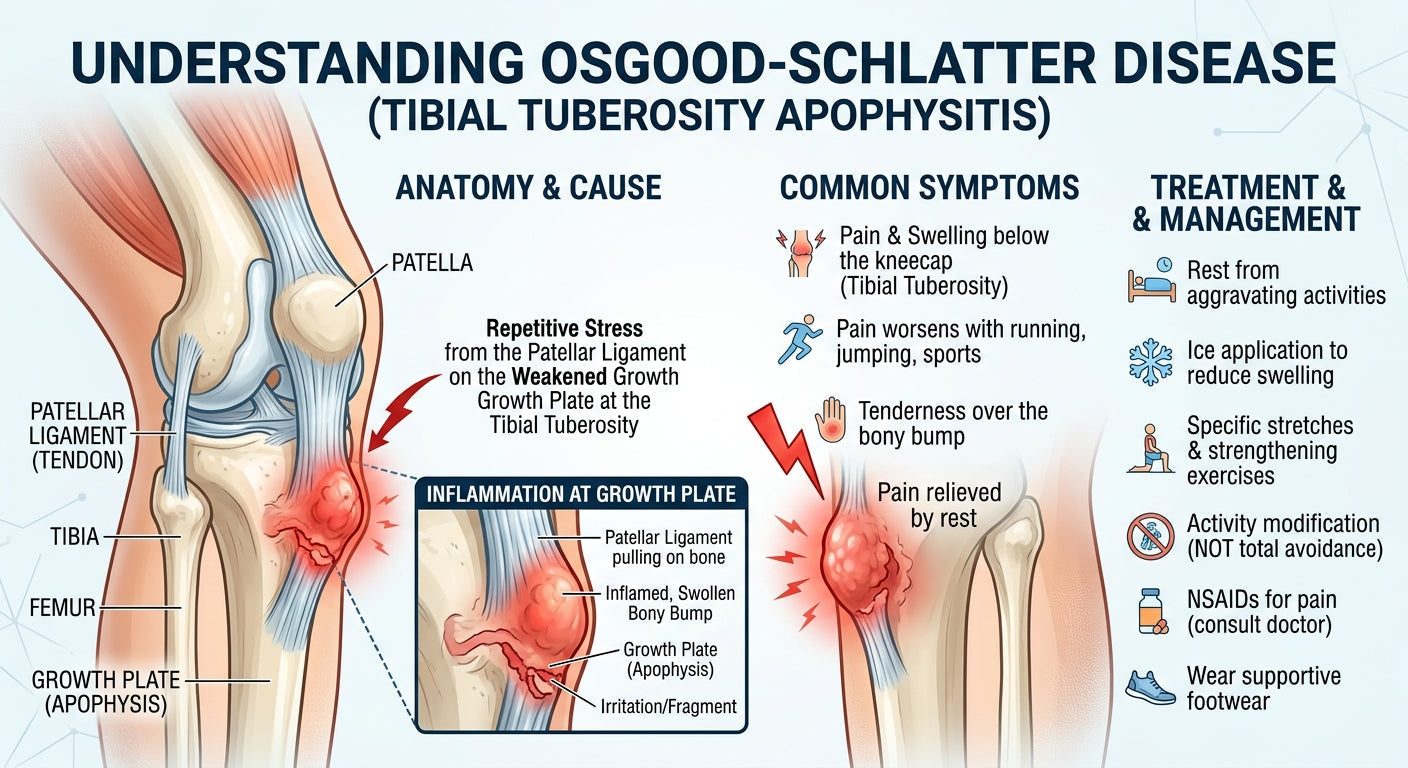
At the front of your knee, the patellar tendon connects the kneecap (patella) to the tibial tuberosity, a bony bump just below the kneecap on the shinbone. During periods of rapid growth, especially in highly active children, repetitive stress from quadriceps muscle contractions can pull on this tendon. This constant pulling can lead to microtrauma, inflammation, and sometimes a small avulsion (pulling away) of bone fragments from the growth plate at the tibial tuberosity. The body's attempt to repair this can result in an enlarged, painful bump below the knee.
It's most common in boys aged 10-15 and girls aged 8-13, coinciding with their most significant growth spurts. Athletes in sports such as basketball, soccer, volleyball, and gymnastics are particularly susceptible.
Causes and Risk Factors
The primary cause of Osgood-Schlatter disease is repetitive stress on the patellar tendon and tibial tuberosity. Key factors contributing to its development include:
- Growth Spurts: During rapid growth, bones grow faster than muscles and tendons, leading to increased tension in the quadriceps and patellar tendon. The growth plate, being softer, is more vulnerable to stress.
- High-Impact Activities: Sports that involve repeated running, jumping, kneeling, and sudden starts and stops put significant strain on the quadriceps and patellar tendon.
- Tight Quadriceps and Hamstrings: Inflexibility in these major leg muscles can increase the pull on the patellar tendon, exacerbating the stress on the growth plate.
- Muscle Imbalance: Weakness in hip or core muscles can lead to compensatory movements, placing extra stress on the knees.
Symptoms of Osgood-Schlatter Disease
The symptoms of Osgood-Schlatter disease typically develop gradually, but can sometimes appear suddenly after intense activity. Common signs include:
- Pain below the kneecap: This is the hallmark symptom, often worse during or after physical activity, especially jumping, running, kneeling, or squatting.
- Swelling and tenderness: The area directly over the tibial tuberosity may be swollen, tender to the touch, and warm.
- A bony lump: Over time, a noticeable bony prominence or enlargement may develop at the tibial tuberosity due to the body's healing response.
- Pain that resolves with rest: Symptoms usually improve with rest and worsen with activity.
- Bilateral involvement: While it often affects one knee, it can occur in both knees simultaneously.
Diagnosis
Diagnosis is typically made through a thorough physical examination and a review of the child's medical history and activity levels. The healthcare provider will check for tenderness, swelling, and the characteristic bony lump. Imaging tests like X-rays are usually not necessary for diagnosis, but may be performed to rule out other conditions or to assess the extent of bone fragmentation if symptoms are severe or persistent.

Treatment and Management
The cornerstone of Osgood-Schlatter Disease management is conservative treatment aimed at reducing pain and inflammation and allowing the area to heal. Most cases resolve completely with proper care as the child matures.
Rest and Activity Modification
Reducing or modifying activities that aggravate the knee pain is crucial. This doesn't always mean complete rest; rather, it means adjusting the intensity, duration, and frequency of activity. For instance, a child might be able to continue playing sports with less jumping or running, or take breaks when pain flares up. Listening to the body's signals is important.
Ice Therapy
Applying ice packs to the affected area for 15-20 minutes several times a day, especially after activity, can help reduce pain and inflammation.
Pain Relief
Over-the-counter pain relievers, such as ibuprofen or naproxen, can help manage pain and inflammation. Always consult a healthcare professional before administering new medications to children.
Stretching and Strengthening Exercises
A tailored exercise program can help address muscle imbalances and tightness.
- Quadriceps stretches: Gentle stretches of the front thigh muscles are essential for reducing tension on the patellar tendon.
- Hamstring stretches: Improving flexibility in the back of the thigh can also alleviate knee stress.
- Strengthening exercises: Strengthening the quadriceps, hamstrings, glutes, and core muscles can improve overall knee stability and mechanics.
Support Devices
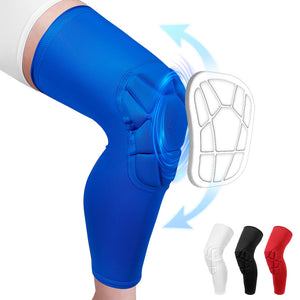
Sometimes, specialized supports can help manage symptoms during activity by redirecting stress away from the tibial tuberosity. An osgood schlatter knee brace is designed to apply gentle pressure below the kneecap, which can help distribute forces and reduce strain on the inflamed area. Similarly, a patellar tendon knee strap can provide targeted compression and support. For a broader range of options, consider exploring various knee stabilizer choices. Understanding what is a patella knee brace and how does it work can help in selecting the most appropriate support for pain relief and functional improvement. For those dealing with conditions akin to Jumper's knee, a specific jumpers knee patellar tendon strap might be beneficial, and a general tendon strap can also offer relief. For comprehensive pain management, consider options from a collection of knee braces for pain.
It's also beneficial to incorporate exercises that improve overall knee support for Osgood-Schlatter's disease, with a focus on strengthening the muscles surrounding the knee. A good knee brace for stability can also provide additional support during activities.
Prevention
While Osgood-Schlatter disease cannot always be prevented, certain strategies can reduce the risk in active adolescents:
- Warm-up and Cool-down: Always perform proper warm-up exercises before activity and cool-down stretches afterward.
- Regular Stretching: Maintain flexibility in the quadriceps and hamstrings through consistent stretching.
- Gradual Increase in Activity: Avoid sudden increases in the intensity or duration of sports activities. Allow the body to adapt gradually.
- Appropriate Footwear: Wear supportive shoes that are suitable for the specific sport.
- Cross-Training: Encourage participation in a variety of sports to prevent overuse of specific muscle groups.
- Listen to the Body: Teach children to recognize and respond to pain signals rather than pushing through discomfort.
When to Seek Professional Help
Most cases of Osgood-Schlatter disease can be managed at home with conservative measures. However, it's advisable to consult a healthcare professional if:
- Pain is severe, constant, or worsens despite rest and home treatment.
- The child is unable to participate in daily activities or sleep due to pain.
- There is significant swelling, redness, or warmth around the knee.
- The pain is associated with limping or difficulty bearing weight.
- The pain persists beyond the typical growth spurt period.
A healthcare provider can confirm the diagnosis, rule out other conditions, and provide a personalized management plan that might include a referral to a physical therapist for guided exercises and rehabilitation.
-
Veröffentlicht in
Knee Injuries