Upper Back Pain
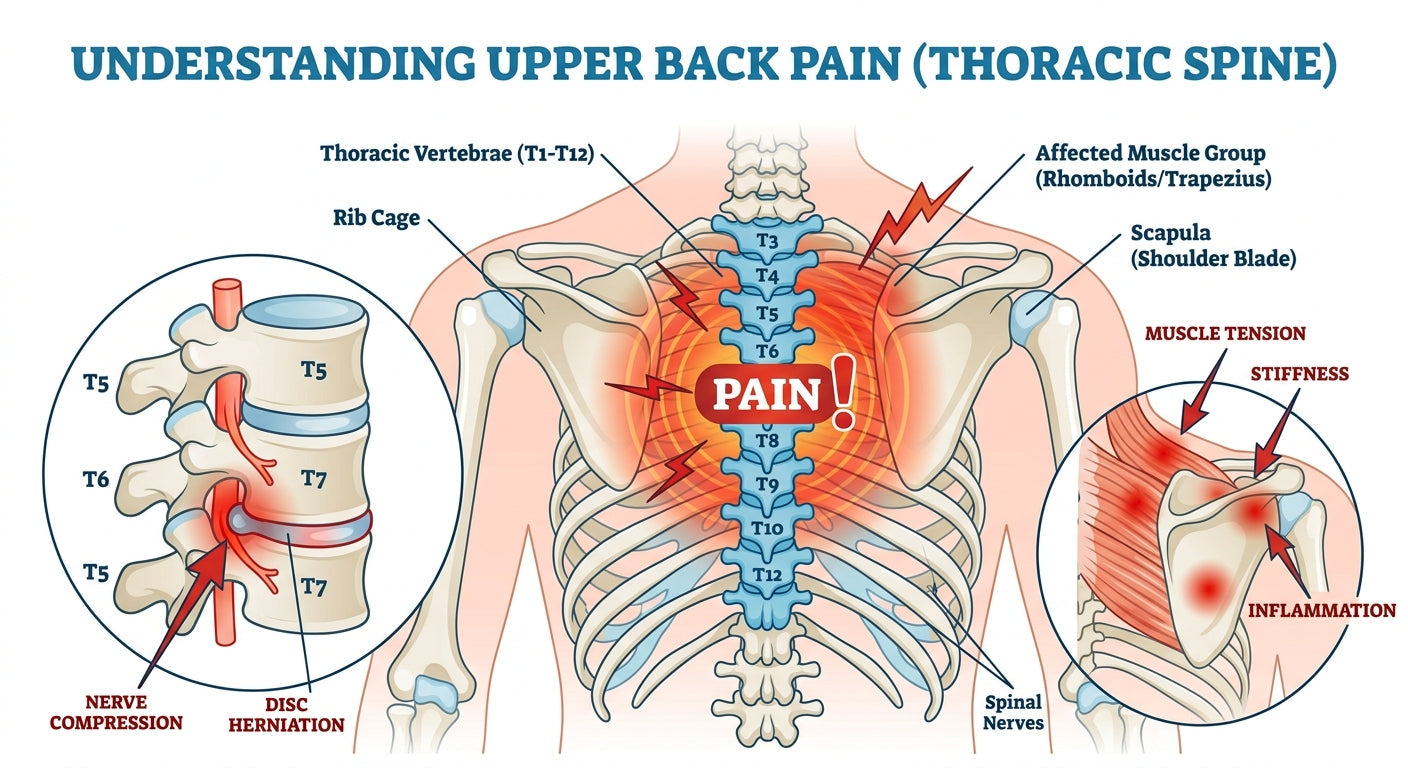
Upper back pain, a common discomfort affecting many individuals, manifests as soreness, stiffness, or sharp pain between the shoulder blades and at the base of the neck. While often less frequent than lower back pain, its impact on daily activities, work productivity, and overall quality of life can be significant.
What Causes Upper Back Pain?
The upper back, or thoracic spine, is remarkably stable due to its connection to the rib cage, making it less prone to injury than the more flexible neck and lower back. However, several factors can contribute to the development of upper back pain:
- Poor Posture: Prolonged periods of slouching, hunching over computers, or looking down at mobile devices are leading causes. This sustained poor positioning places undue stress on the muscles, ligaments, and discs of the upper back, leading to strain and discomfort. Curious about how can poor posture result in back pain? It's a fundamental issue.
- Muscle Strain or Sprain: Overuse, sudden movements, or improper lifting of heavy objects can strain the muscles and ligaments that support the thoracic spine. This is particularly common in activities involving repetitive arm movements or heavy lifting. For those who engage in heavy lifting, understanding the benefits of supportive gear can be helpful; consider exploring options such as the best back brace for heavy lifting to mitigate risk.
- Injury or Trauma: Accidents, falls, or sports-related injuries can directly affect the upper back, leading to conditions such as muscle contusions, sprains, or even fractures.
- Ergonomic Issues: An improperly set-up workstation can force the body into unnatural positions, contributing to chronic upper back discomfort. This includes chair height, monitor placement, and keyboard/mouse accessibility.
- Lifestyle Factors: Lack of physical activity can weaken back muscles, making them more susceptible to pain. Conversely, intense or improper exercise techniques can also lead to strain. Stress and tension can also cause muscles to tighten, leading to pain.
- Other Conditions: Less commonly, upper back pain can be a symptom of more serious underlying conditions, such as disc issues (herniated or bulging discs), nerve compression, arthritis, or even spinal conditions like scoliosis.
Recognizing the Symptoms
Symptoms of upper back pain can range from a dull ache to a sharp, stabbing sensation. Common presentations include:
- Localized Pain: Aching, throbbing, or sharp pain in a specific area between the shoulder blades or along the spine.
- Stiffness: A feeling of tightness or reduced flexibility in the upper back, especially after periods of inactivity.
- Muscle Spasms: Involuntary contractions of back muscles, which can be quite painful.
- Pain with Movement: Discomfort that worsens with certain movements, such as twisting, bending, or reaching.
- Radiating Pain: While less common in the upper back, pain can sometimes radiate to the neck, shoulders, or arms.
- Tenderness: The affected area may be sensitive to touch.
Before diving into specific treatment options, it’s helpful to understand a general approach to your condition.

A calm, three-part decision guide that maps common causes and symptoms to clear next steps—helping readers choose between at-home care, physical therapy, or medical review.
When to Seek Professional Guidance
While many cases of upper back pain can be managed with conservative measures, it’s important to know when to consult a healthcare professional. Seek medical attention if you experience:
- Severe or Worsening Pain: Pain that is intense, debilitating, or gets worse despite home care.
- Pain Following Trauma: Any pain after a fall, accident, or significant injury.
- Numbness, Tingling, or weakness in the arms, legs, or chest could indicate nerve involvement.
- Bladder or Bowel Dysfunction: In rare cases, this may indicate a serious spinal condition.
- Unexplained Weight Loss or Fever: These, combined with back pain, could signal an underlying systemic issue.
- Pain that is Constant and Unrelieved by Rest: This might suggest a more serious cause.
A healthcare provider can perform a thorough examination, order imaging if necessary (like X-rays or MRI), and provide an accurate diagnosis to guide your treatment plan.
Managing Upper Back Pain: Treatment and Prevention
Effective management of upper back pain often involves a multi-faceted approach, combining immediate relief strategies with long-term preventative measures.
At-Home Care and Immediate Relief
- Rest: Short periods of rest can help reduce inflammation and allow muscles to recover. Avoid prolonged bed rest, as it can worsen stiffness.
- Heat or Cold Therapy: Applying heat or ice to the back can provide temporary relief. Ice can help reduce inflammation in acute pain, while heat can relax tense muscles in chronic pain. Many find alternating beneficial.
- Over-the-Counter Pain Relievers: Medications such as ibuprofen and acetaminophen can help manage pain and inflammation. Always follow dosage instructions.
- Gentle Stretching and Movement: Once acute pain subsides, gentle stretches for the upper back, shoulders, and neck can improve flexibility and reduce stiffness. Maintaining light activity is often better than complete immobilization.
Therapeutic Approaches
- Physical Therapy: A physical therapist can design a personalized exercise program to strengthen back and core muscles, improve posture, and increase flexibility. They may also use techniques like massage, manual therapy, and electrical stimulation.
- Posture Correction: Improving your posture is crucial for long-term relief. This involves being mindful of how you sit, stand, and move. An upper back brace or other posture aids can be helpful tools for retraining muscles. Many wonder, can an upper back brace for pain truly make a difference? For many, it offers valuable support. If you are considering one, you might want to learn what is the best posture corrector for your needs.
- Ergonomic Adjustments: Optimizing your workspace is vital. Ensure your chair provides adequate lumbar support, your monitor is at eye level, and your keyboard and mouse are comfortably accessible.
- Massage Therapy: Can help alleviate muscle tension and improve blood flow to the affected area.
- Mind-Body Techniques: Practices like yoga, tai chi, and meditation can help reduce stress and improve body awareness, which contributes to better posture and muscle relaxation.
Prevention Strategies
Preventing upper back pain often involves making conscious lifestyle choices:
- Maintain Good Posture: Be aware of your posture throughout the day, whether sitting, standing, or walking. Imagine a string pulling the crown of your head upwards. Addressing issues like rounded shoulders can significantly improve your overall posture.
- Regular Exercise: Incorporate exercises that strengthen your core and back muscles, such as planks, rows, and shoulder blade squeezes. Flexibility exercises are also important.
- Stretch Frequently: Take regular breaks to stretch, especially if you have a sedentary job.
- Lift Safely: When lifting objects, bend your knees, keep your back straight, and lift with your legs, not your back.
- Manage Stress: Find healthy ways to cope with stress, such as exercise, hobbies, or relaxation techniques.
- Use Supportive Gear: For individuals who require additional stabilization, especially during physical activities or prolonged sitting, consider a back support that provides gentle compression and postural assistance.
-
Veröffentlicht in
Back pain causes