Why Is Football so Important on Thanksgiving?
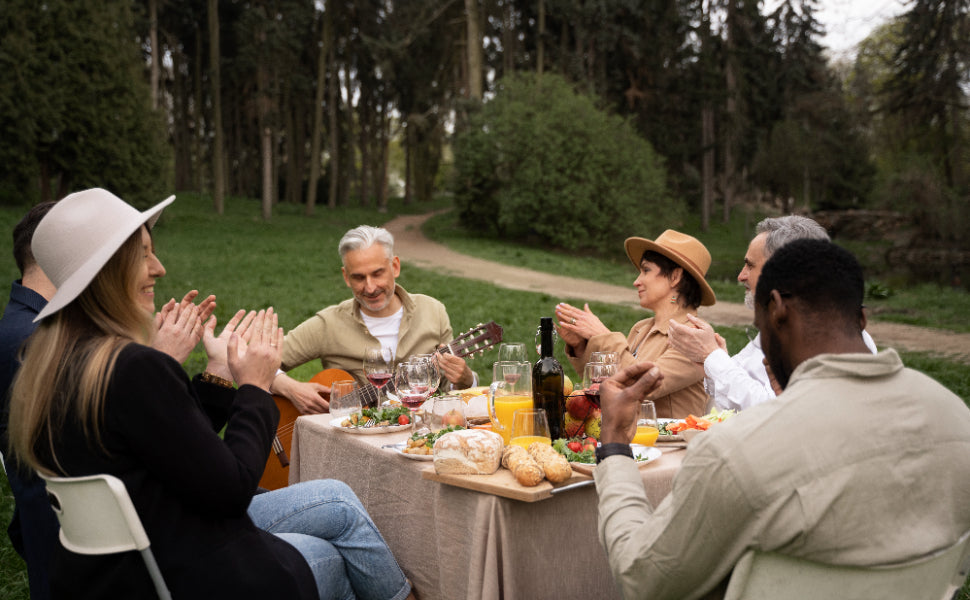
The fourth Thursday of November marks a day of profound national observance in the United States, centred around themes of gratitude, family gatherings, and bountiful feasts. Yet, for millions of Americans, Thanksgiving is incomplete without the distinctive sound of shoulder pads clashing, the roar of the crowd, and the iconic sight of the pigskin soaring through the air. American football is not merely an accompaniment to the holiday; it has become an indispensable element of the Thanksgiving experience, deeply woven into the fabric of the celebration. This annual marriage of sport and holiday creates a shared cultural experience that transcends regional divides and unites families across the country.
A Tradition Beyond the Feast and Gratitude
While the centrepiece of Thanksgiving often revolves around the roast turkey and the act of expressing thanks, the presence of American football fundamentally alters the holiday’s dynamic. The game transforms a quiet, domestic day into a spirited, communal event characterised by high-stakes excitement and collective anticipation.
The Unique Atmosphere of Thanksgiving Day
Thanksgiving football stands apart from other sports days, weaving seamlessly into the holiday’s rhythm. It kicks off early—often amid kitchen bustle and arriving relatives—providing comforting background energy that aligns with the day’s flow: early games entertain during appetisers, the main matchup fills the post-dinner lull, and late games wrap as the gathering winds down, offering built-in entertainment for every phase.
Beyond entertainment, the broadcasts create vital structure and common ground. They spark easy, non-threatening conversations that bridge generational gaps and connect infrequently seen family members—whether debating a controversial call, celebrating a standout play, or rooting for favourite teams. This politics-free, universally accessible topic prevents awkward lulls, keeping the atmosphere lively. The shared cheers and groans from the living room unify everyone, even those with little sports knowledge, forging a collective holiday experience.
Tracing the Roots of Thanksgiving Football
The tradition of Thanksgiving football is not a modern creation; it is one of the oldest and most consistently maintained rituals in American sports history, predating the establishment of the modern professional league by decades. Understanding its origins illuminates why the tradition holds such deep-seated importance today.
-
Early Collegiate Rivalries
The earliest formal link between football and Thanksgiving dates to 1876, when Yale and Princeton launched an annual Thanksgiving Day college game. The tradition spread rapidly, with collegiate matchups becoming marquee holiday events in late 19th-century major cities like New York and Boston. These intense rivalries, drawing big crowds and media focus, mirrored championship intensity, establishing high-stakes sports as integral to Thanksgiving. This early adoption solidified the idea that top athletic rivalries belong on the national holiday.

The Emergence of the Professional Game
The shift from college to professional football’s Thanksgiving Day prominence began in the 1920s with the NFL’s founding. In 1934, the Detroit Lions—seeking to carve an identity and expand their fanbase in a baseball-centric Detroit—made a historic move: owner George A. Richards scheduled them to face the undefeated Chicago Bears on the holiday. The game was a resounding success, selling out weeks early and airing nationally on the radio, instantly solidifying the Lions’ Thanksgiving legacy. Except for a short WWII hiatus, this tradition has endured unbroken.
In 1966, the Dallas Cowboys joined the lineup, using the national stage to build their brand and become equally synonymous with Thanksgiving broadcasts. Today, the core schedule—Detroit’s early game followed by Dallas’ mid-afternoon matchup—offers the predictable routine families cherish. Far beyond a fleeting commercial opportunity, these two teams’ long-standing continuity has turned the NFL’s Thanksgiving slate into a timeless, reliable tradition. The Enduring Cultural Significance of the Game The sheer longevity and predictable nature of Thanksgiving football have elevated it from a mere sporting event to a significant cultural landmark. It provides consistency in a world of constant change, acting as a reliable touchstone for family gatherings.
- A Shared National Experience
On Thanksgiving, the game becomes the backdrop to the American home. Unlike a typical Sunday, the audience is broader, encompassing not just dedicated fans but also casual viewers, visiting relatives, and children. The spectacle is less about following a specific team’s season narrative and more about participating in a communal moment. This shared viewing experience is a powerful binder, creating immediate synchronicity across countless households. Everyone, from coast to coast, is engaging with the same moment, generating the same collective reactions to touchdowns, interceptions, and game-winning kicks. The commentary, the advertisements, and the half-time shows all become temporary shared cultural references that unify a diverse audience. The holiday viewership numbers consistently demonstrate that this is one of the most widely watched sporting events of the year, underscoring its cultural heft.
- The Rhythm of the Holiday Schedule
The predictable nature of the Thanksgiving game schedule plays a critical role in its importance. Families structure their entire day around the kick-off times, using the games to delineate phases of the celebration—arrival, dinner, and dessert. This rhythm is crucial for managing the often-chaotic logistics of a major holiday gathering, providing fixed, shared activities that everyone can enjoy, or at least watch passively. Without the predictable timing of the games, the holiday would lose a significant portion of its reliable structure. The structure allows hosts to plan meal times, guests to plan travel, and everyone to anticipate the flow of events with comfort and certainty. The games provide natural, in-built breaks in the action of the day, offering a convenient way to transition from one phase of the family gathering to the next without awkward pauses.
The Backyard Gridiron: A Modern Family Ritual
Beyond the professional spectacles televised from stadiums, a parallel and equally vital tradition takes place in backyards, parks, and cul-de-sacs across America: the family touch or flag football game. This ritual, often dubbed the "Turkey Bowl," is where the spirit of the holiday truly intersects with athletic participation.
-
Generating Friendly Competition and Bonds
The backyard game is a proving ground for bragging rights and good-natured rivalry. It is a time for aunts, uncles, cousins, and siblings to engage in spirited, albeit often clumsy, competition. These games serve as a fantastic icebreaker and energy outlet, particularly for younger family members or those who have spent too long cooped up indoors. The competition, while intense in the moment, is fundamentally rooted in strengthening family bonds, creating memorable stories that are recalled and recounted for years to come. The physical activity is a welcome change after sitting for hours and provides a healthy way for family members to reconnect through movement and teamwork. The teams are often mixed in age and skill, which teaches younger players about collaboration and allows older players to showcase their enduring athleticism.
-
A Crucial Test of Agility
For many, the Turkey Bowl is the only opportunity all year to test their agility and strength. While the atmosphere is lighthearted, participants often engage with surprising intensity, leading to quick stops, sudden turns, and unexpected physical contact. This playful, yet physically demanding, activity underscores the need for physical readiness. Even in casual settings, quick bursts of speed and changes in direction are necessary, demonstrating that fundamental physical preparation is always beneficial, even outside of a professional stadium. These games often involve sharp lateral movements and rapid deceleration, placing stress on joints, which reinforces the importance of using safe techniques, regardless of the level of play.
Preserving the Tradition Safely
The shift from the couch to the yard requires a focus on safety. While the stakes are purely relational, the risk of minor injuries remains. Therefore, incorporating strategies for football injury prevention is essential to ensure the tradition can be passed down without incident.
- Strategies for Effective Injury Prevention
Even in a non-contact environment like flag football, sprains, strains, and minor twists are common. Proper warm-ups—including dynamic stretching and light cardio—are key to preparing the body for sudden movements. Participants should be encouraged to wear appropriate footwear and survey the playing area for hazards such as roots, rocks, or uneven terrain. Furthermore, knowing one's physical limits and not attempting aggressive moves after a heavy meal are practical, non-negotiable steps in minimising risk. Taking regular breaks and ensuring adequate hydration, especially if the weather is cool, are also vital to maintaining peak performance and avoiding unnecessary strain on the body. Effective risk mitigation allows the focus to remain squarely on fun and camaraderie.
- The Role of Protective Gear
For those with preexisting joint concerns, or even those looking for enhanced stability during rigorous play, preventative equipment can be a worthwhile consideration. The use of knee braces for football players, like an American football knee brace or sleeve, is not exclusive to professional athletes. These items provide compression, support, and kinetic reminders that help stabilise the joint and surrounding ligaments, particularly useful for participants making lateral cuts or quick pivots on unpredictable ground. The following table showcases examples of supportive compression wear designed to offer stability and shock absorption during active play, ensuring maximum mobility with minimum risk.
✧ Fivali Anti-shock Football Compression Knee Sleeve
- Elasticity & Breathable 3D Woven Technology
- Anti-Collision EVA Bumper Knee Pad
- Non-Slip Silicone Strips for Secure Fit
- Comfortable But Durable to Wear

✧ Fivali Compression Football Knee Sleeves
- Soft Springs Support the Knee Joint
- Comfortable and Breathable Stretch Fabric
- Silicone Pad for Shock Absorption
- Anti-Slip Silicone Wave Strip

Utilizing such Fivali protective gear ensures that individuals can participate confidently, knowing they have provided their joints with an extra layer of structural support against the unexpected twists and turns inherent in backyard play. This proactive approach to physical health is crucial for maintaining a long and enjoyable tradition.
After the Whistle: Recovery and Connection
Once the final whistle blows, whether on the television or in the backyard, the spirit of competition gives way to the relaxation that marks the close of the day. Proper wind-down is just as important as the preparation.
-
Post-Game Nutrition and Rest
For those who participated in the backyard game, the recovery process begins immediately. Rehydration is crucial, and a balanced post-activity snack, such as the inevitable leftovers, helps replenish energy stores. Active cool-downs, featuring static stretching, aid in muscle recovery. The transition from physical exertion to relaxation is a pleasant shift, setting the stage for the evening’s activities, often involving conversation, board games, or simply watching the final professional game. A brief period of elevation for tired limbs can also aid in reducing swelling and promoting faster recovery, ensuring participants are not excessively sore the following morning.
-
Deepening Family Ties
The shared experience of watching the professional games or competing in the Turkey Bowl fosters a powerful sense of camaraderie. Victories are celebrated, close calls are debated, and humorous mishaps are relived with great enthusiasm. This shared activity breaks down social barriers and transforms acquaintances into closer family members through mutual experience. The stories created on the field, whether real or imagined, become the oral tradition of the family, carried forward to subsequent holidays. The post-game analysis, often conducted over pumpkin pie, provides an opportunity for continued, easygoing interaction, reinforcing the warmth and connection that the day is meant to embody.
Conclusion: The Unbreakable Link of Football, Family, and Thanks
American football’s importance on Thanksgiving Day extends far beyond the sport itself. It is a century-old cultural institution that provides structure, common ground, and an invigorating rhythm to a holiday centred on gathering and reflection. From the historical significance of the Lions and Cowboys games to the spirited, albeit low-stakes, competition of the backyard Turkey Bowl, the game serves as a reliable mechanism for creating cherished memories. It is a tradition that encourages activity, community, and the safe, prepared participation in sport, reinforcing the notion that Thanksgiving is truly a celebration where gratitude, family, and the unifying power of the gridiron are inextricably linked. The game is, and will remain, an essential part of the American Thanksgiving identity.