How to Choose the Best Ankle Brace for Dancers From Ballet to Hip-Hop Recovery
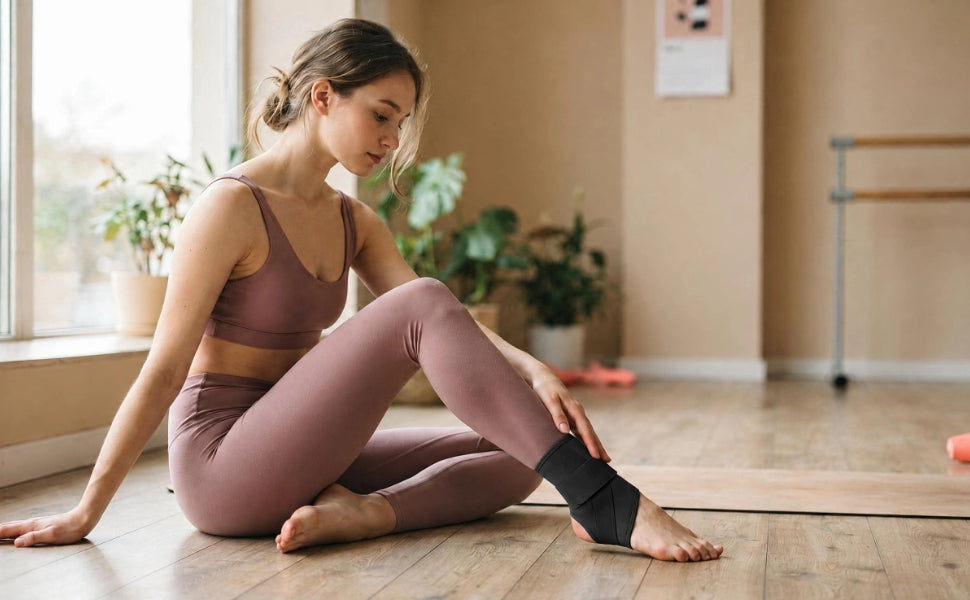
As we gear up for the weekend and the rigorous summer dance intensives that follow, dancers across the country are facing a familiar challenge: preparing their bodies for peak performance while managing the wear and tear of intense rehearsals. For a dancer, an ankle injury isn't just an inconvenience—it's a direct threat to your artistic expression.
When evaluating how to protect your joints, you quickly realize that standard athletic gear simply doesn’t understand the dancer’s dilemma. You need a solution that stabilizes your joints during heavy landings without compromising the pristine line of your pointe work or the fluid barefoot mobility required in contemporary pieces. You are evaluating the age-old debate of an ankle brace vs ankle support, searching for the perfect balance.
At Fivali, we understand that rigid, bulky gear hinders your movement. Our philosophy is simple: we provide "SUPPORT THAT MOVES WITH YOU." In this comprehensive guide, we will help you navigate the nuances of selecting the perfect ankle support, whether you are actively recovering from a sprain or looking to prevent future injuries.
Understanding Your Ankle: Biomechanics and the Dancer's Dilemma
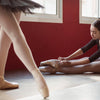
Dance demands extreme ranges of motion that push the human body to its biomechanical limits. Whether you are holding a sustained relevé in ballet, executing explosive jumps in jazz, or absorbing heavy impacts in hip-hop, your ankles bear the brunt of the force.
Ligaments and tendons are stretched repeatedly, making dancers highly susceptible to sprains, chronic instability, and overuse injuries. The primary challenge in evaluating an ankle support for dancers is the fear of restriction. If a brace is too thick, it won't fit into a tightly laced jazz shoe. If it’s too rigid, you lose your ability to articulate through the foot. Understanding the specific type of support you need based on your injury stage and dance style is the crucial first step in your evaluation journey.
Types of Ankle Support: What Dancers Need to Know
Not all braces are created equal. When analyzing your options, it helps to categorize them by their primary function and flexibility profile.
1. Compression Sleeves
Ideal for mild support, injury prevention, and general soreness, an ankle sleeve provides a low-profile, snug fit that enhances proprioception (your body's awareness of its position in space). These are highly discreet and comfortable for long rehearsal days. They are particularly favored in ballet and contemporary dance because they can easily be worn under tights or while dancing barefoot.
2. Stabilizer Braces
When you are transitioning from rest back into the studio after a mild to moderate sprain, you need more robust protection. Stabilizer braces often feature adjustable straps that mimic taping, providing targeted support to prevent the ankle from rolling while still allowing essential upward and downward movement. These are highly effective for hip-hop, jazz, and tap dancers who require a higher degree of impact absorption.
3. Traditional Rigid Braces
Typically featuring thick plastic inserts and heavy lace-up systems, these are common in high-impact collision sports. However, for the vast majority of dance styles, they are unsuitable due to their extreme bulk and severe restriction of the foot's natural articulation.

Fivali's Dance Solutions: Support That Moves With You
To bridge the gap between protection and performance, Fivali has engineered solutions specifically tailored to the dynamic needs of an active lifestyle. Here is a deep dive into how our leading products align with your evaluation criteria.
The Fivali Adjustable Ankle Compression Sleeve FAR04
When flexibility is your top priority, the FAR04 is the ultimate solution. This sleeve utilizes advanced compression technology to promote circulation and reduce swelling without adding unnecessary bulk.
- Best For: Ballet, contemporary, and long rehearsal days.
- The Dancer's Advantage: The adjustable strap allows you to customize the level of compression, giving you a secure, "second skin" feel that slips effortlessly under dancewear.
The Fivali Ankle Sleeve 2 Pack FAR03
For dancers focused on preventative care and bilateral support, the FAR03 offers unmatched value and consistency.
- Best For: Pre-professional dancers, cross-training, and daily studio wear.
- The Dancer's Advantage: By wearing a sleeve on both feet, you maintain balance in your proprioceptive feedback, which is critical during turning sequences and complex choreography.
The Fivali Ankle Stabilizer for Sprained Ankle Recovery
If you are actively nursing an injury or dealing with chronic instability, your evaluation shifts from pure flexibility to reliable stabilization.
- Best For: Hip-hop, jazz, tap, and post-injury rehabilitation.
- The Dancer's Advantage: This stabilizer offers a reinforced structure that prevents lateral rolling while still providing enough toe and heel clearance to ensure you maintain contact with the floor.
Key Evaluation Criteria for Dancers: Beyond Basic Support
When comparing your options, keep these critical, dance-specific factors in mind:
- Flexibility & Range of Motion: Does the brace allow for full plantar flexion (pointing) and dorsiflexion (flexing)? Look for open-heel and open-toe designs that permit natural foot articulation.
- Shoe & Costume Compatibility: A brace is useless if it doesn't fit in your shoe. You need sleek, seamless materials that won't create friction blisters inside a tight ballet flat or jazz shoe.
- Material Science & Breathability: Dance studios are hot, and rehearsals are long. Moisture-wicking fabrics are essential to prevent sweat buildup, which can lead to slipping and skin irritation.
- Targeted Protection: If you are wondering how to protect back of ankle areas from friction and repetitive strain, look for contoured designs that hug the Achilles tendon without restricting it.
Comparison Guide: Choosing the Right Fivali Brace for Your Dance Style

Different dance styles place entirely different demands on your lower body. Use this framework to finalize your decision:
Ballet & Contemporary
- Primary Need: Uninhibited pointe work, bare-floor grip, invisible profile.
- Ideal Choice: Fivali Adjustable Ankle Compression Sleeve FAR04. It provides the necessary proprioceptive feedback while remaining virtually invisible under tights or stage lighting.
Hip-Hop, Jazz & Commercial Dance
- Primary Need: High impact absorption, lateral stability for sudden directional changes, shoe compatibility.
- Ideal Choice: Fivali Ankle Stabilizer for Sprained Ankle Recovery. Worn inside sneakers or jazz boots, it gives you the confidence to execute heavy landings safely.
Specialized Recovery Needs
- Primary Need: Managing specific overuse conditions like tendon pain.
- Ideal Choice: If you are dealing with medial ankle pain, a targeted posterior tibial tendonitis ankle brace approach is required. A highly adjustable compression sleeve can offer the localized pressure needed to soothe inflamed tendons while you recover.
Frequently Asked Questions for Dancers (FAQs)
Can I wear Fivali sleeves with pointe shoes or ballet flats?
Yes. Fivali compression sleeves (like the FAR03 and FAR04) are specifically designed with a low-profile, seamless construction that fits comfortably inside tightly fitted dance shoes without altering your technique.
How do Fivali products compare to traditional athletic tape?
While athletic tape provides excellent temporary support, it loosens as you sweat and can restrict mobility if applied incorrectly. Fivali sleeves offer consistent, adjustable compression that maintains its integrity through hours of rigorous rehearsal, making it a more reliable and cost-effective daily solution.
Are these braces visible under tights or costumes?
Our compression sleeves are crafted to act like a second skin. Their sleek design ensures they remain incredibly discreet under performance tights, allowing the audience to focus on your movement, not your gear.
When should I NOT wear a brace while dancing?
Braces are tools for prevention and recovery, not permanent crutches. Once you are fully rehabilitated, it is recommended to gradually wean off heavy stabilization during class to ensure your internal ankle muscles continue to build their natural strength.
Beyond the Brace: Long-Term Care for Dancers
Choosing the right gear is just one piece of the puzzle. To truly safeguard your career, support must be paired with proactive physical conditioning.
We highly recommend integrating dedicated cross-training into your routine. Exploring "The Importance of Ankle Mobility in Dance: Exercises & Techniques" and "Beyond the Barre: Cross-Training for Dancers to Strengthen Ankles" are excellent ways to build the muscular armor required to protect your joints from the inside out. A holistic approach—combining smart bracing with strength and mobility work—is the ultimate formula for dance injury prevention.
Take the Next Step Toward Confident Movement
You shouldn't have to choose between protecting your body and achieving your artistic vision. As you finalize your evaluation, remember that the right gear acts as a partner in your performance.
Fivali is dedicated to providing high-quality, affordable solutions tailored to your unique journey. Whether you are prepping for a summer intensive, recovering from a recent sprain, or simply looking for daily preventative care, we are here to provide the foundation you need to dance with confidence. Explore our full collection today and experience support that truly moves with you.