General Knee Pain
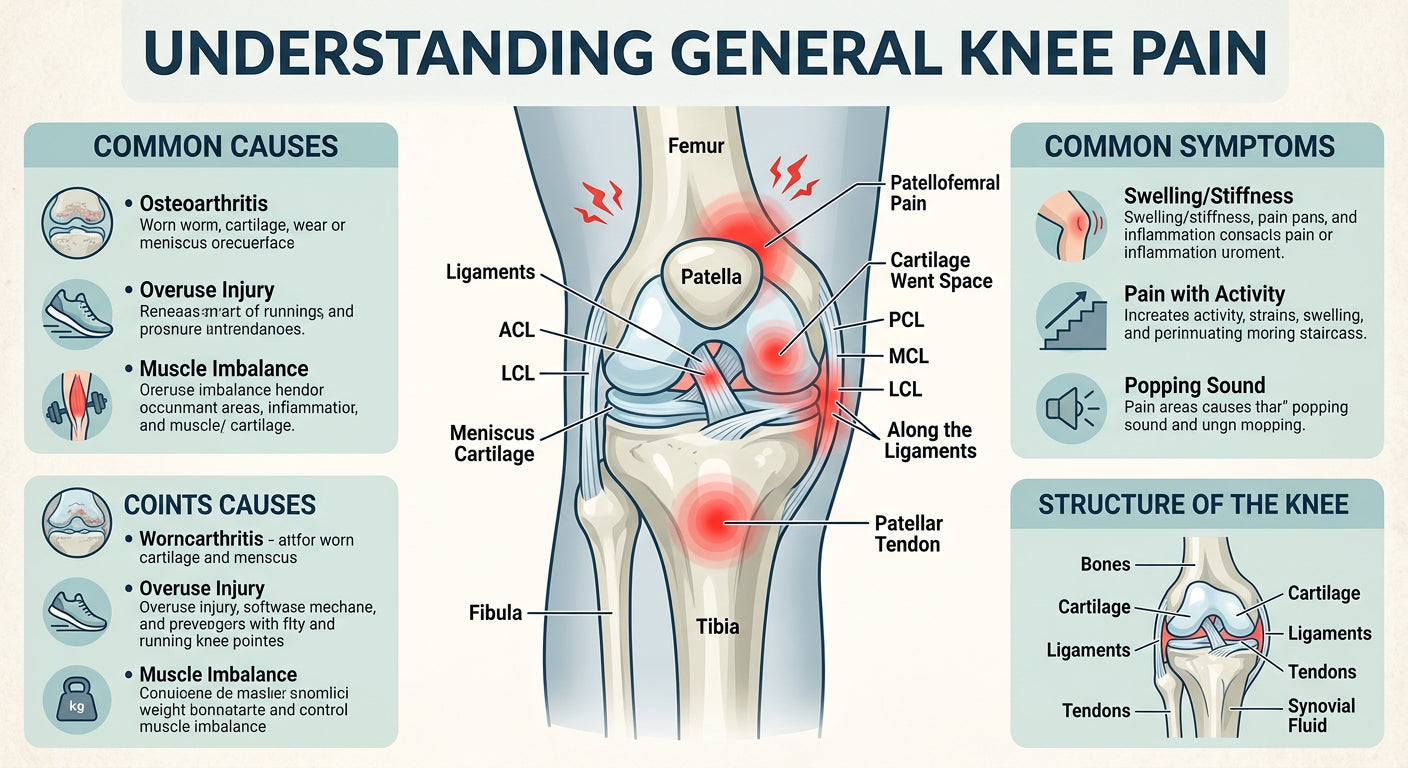
General knee pain is a common ailment that can affect people of all ages and activity levels, often making everyday movements uncomfortable or difficult. From a dull ache to a sharp, intermittent discomfort, understanding the root causes and appropriate management steps is crucial for maintaining an active lifestyle and improving your overall well-being.
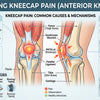
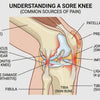
The knee joint is a marvel of biological engineering, connecting the thigh bone to the shin bone and supported by a network of ligaments, tendons, cartilage, and muscles. Its complex structure makes it vulnerable to various stressors, leading to widespread general knee pain. Whether it's due to overuse, minor strains, or the natural process of aging, addressing this pain effectively starts with accurate information and a proactive approach.

Common Causes of General Knee Pain
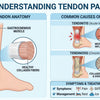
- Overuse and Strain: Repetitive activities, especially those involving bending, squatting, or jumping, can put excessive stress on the knee joint's components. This often leads to inflammation of the tendons (tendinitis) or small tears in the muscles.
- Minor Injuries: Simple twists, awkward landings, or bumps can cause minor sprains or strains of the ligaments and muscles surrounding the knee. These types of injuries might not cause immediate severe pain, but can develop into a persistent ache.
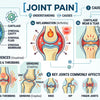
- Wear and Tear: As we age, the cartilage that cushions the knee joint can gradually wear down. This natural process can lead to discomfort, stiffness, and reduced flexibility, especially during movement.
- Improper Biomechanics: Poor posture, incorrect form during exercise, or imbalances in leg muscle strength can alter the way stress is distributed across the knee, making it more susceptible to pain.
- Lifestyle Factors: Being overweight places additional stress on the knee joints, accelerating wear and tear and increasing the likelihood of discomfort. Maintaining a healthy weight is a significant factor in preventing and managing general knee pain.
Effective Self-Care Strategies and Prevention
These approaches focus on reducing inflammation, supporting the joint, and strengthening surrounding muscles.
-
Rest, Ice, Compression, Elevation (R.I.C.E.): This classic method is a cornerstone for managing acute knee pain.
- Rest: Avoid activities that exacerbate the pain.
- Ice: Apply ice packs to the affected area for 15-20 minutes at a time, several times a day, to reduce swelling and pain.
- Compression: A compression knee brace can help reduce swelling and provide support to the joint.
- Elevation: Keep your knee elevated above your heart to further minimize swelling. You might also wonder when should you wrap your knee for optimal support and comfort.
-
Gentle Exercise and Stretching: Once the initial pain subsides, incorporating gentle stretches and strengthening exercises can help restore flexibility and muscle strength around the knee. Focus on low-impact activities like swimming, cycling, or walking. Strengthening the quadriceps and hamstrings is key to better supporting the knee.
-
Supportive Aids: For ongoing support and pain relief, various aids can be beneficial.
- A patellar knee brace can help stabilize the kneecap and reduce discomfort, especially for issues related to patellar tracking.
- Finding the best knee support for overweight individuals is crucial, as excess weight places significant stress on the joints.
- It's common to ask, do knee braces work for general support and pain reduction, and many people find them beneficial for everyday activities and during recovery.
-
Weight Management: If excess weight contributes to your overall knee pain, even a modest weight reduction can significantly reduce stress on your knee joints. Consult with a healthcare professional or a nutritionist for a sustainable weight-loss plan.
-
Proper Footwear: Wearing supportive shoes that fit well and provide adequate cushioning can help absorb impact and maintain proper leg alignment, reducing strain on your knees.
-
Ergonomics and Body Mechanics: Pay attention to your posture during daily activities and ensure proper form when exercising. Learning correct lifting techniques and modifying movements that aggravate your knee can prevent future pain.
Living with and Preventing General Knee Pain
Investing in your knee health through proper support, activity modification, and strength building is key to long-term well-being. Consider options such as a knee brace to help relieve pain and provide stability and comfort during your daily routines.
-
Veröffentlicht in
Knee Injuries