Knee Sprain
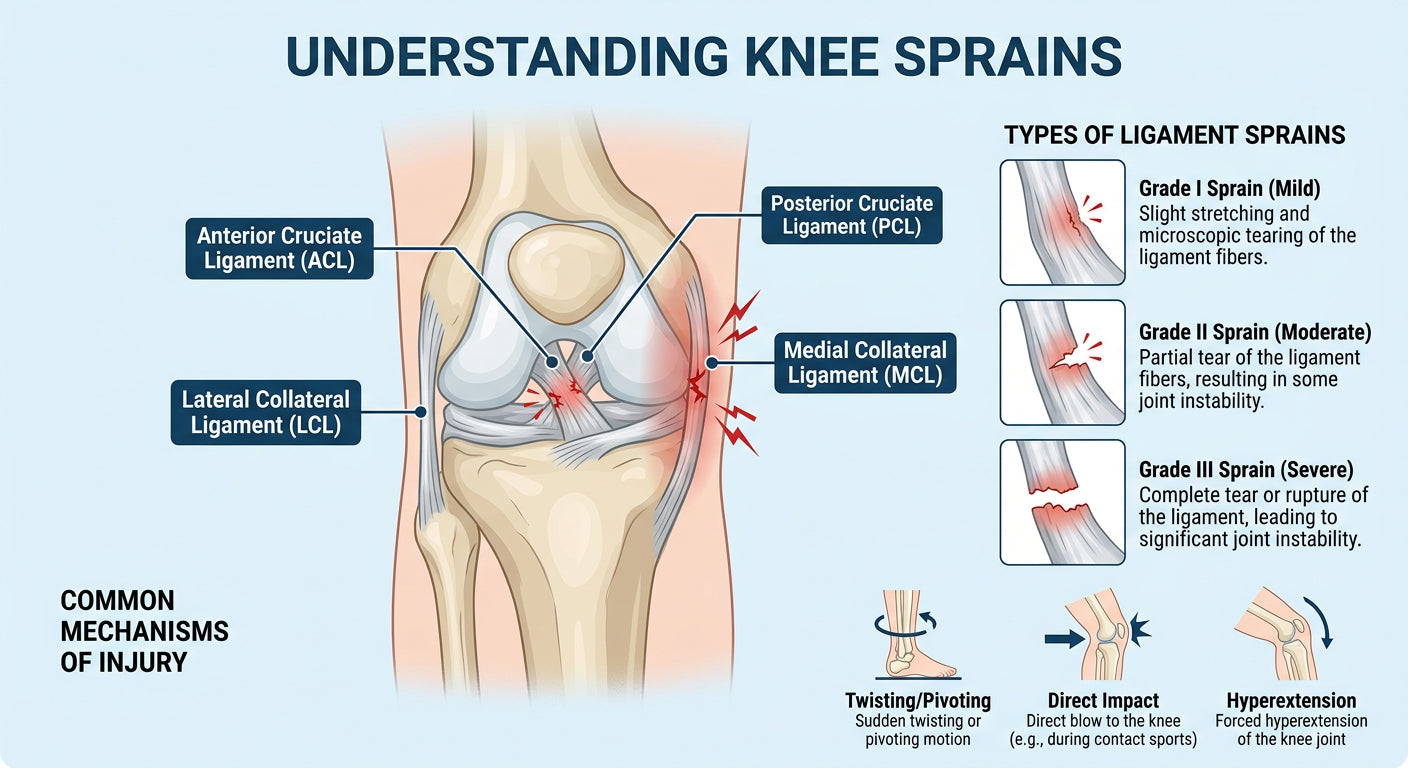
A knee sprain is a common injury that affects the ligaments supporting your knee joint. These tough, fibrous bands of tissue connect bones to other bones, providing stability to the knee. When one or more of these ligaments are stretched or torn, you experience a knee sprain. This injury can range from mild overstretching to a complete rupture, significantly impacting your mobility and daily activities.
What Causes a Knee Sprain?
- Sports Injuries: Activities involving pivoting, jumping, or direct impact, such as football, basketball, skiing, and soccer, often result in knee sprains.
- Falls: Tripping or falling awkwardly can twist the knee, straining the ligaments.
- Motor Vehicle Accidents: Direct impact to the knee or twisting forces during a collision can cause significant sprains.
- Awkward Landings: Incorrect landings after a jump can place excessive stress on the knee ligaments.
Understanding the Anatomy of Your Knee
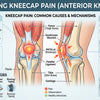
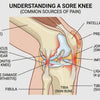
- Anterior Cruciate Ligament (ACL): Located at the front of the knee, it prevents the shinbone from sliding too far forward. ACL injuries are common in athletes.
- Posterior Cruciate Ligament (PCL): Located at the back, it prevents the shinbone from sliding too far backward. PCL injuries are less common than ACL tears.
- Medial Collateral Ligament (MCL): Located on the inside of the knee, it provides stability against forces that push the knee inward.
- Lateral Collateral Ligament (LCL): Located on the outside of the knee, it provides stability against forces that push the knee outward.
Symptoms of a Knee Sprain
- Pain: Often immediate and localized to the injured ligament. The intensity can range from mild aching to severe, sharp pain.
- Swelling: Fluid buildup around the joint, sometimes appearing quickly. Learning how to get rid of fluid on the knee can be an important part of managing this symptom.
- Tenderness: The area over the injured ligament may be painful to touch.
- Bruising: Discoloration around the knee may appear a day or two after the injury.
- Limited Range of Motion: Difficulty bending or straightening the knee fully due to pain and swelling.
- Instability: A feeling that the knee "gives out" or is unable to support your weight, especially in more severe sprains. You might feel a "pop" at the time of injury, which often indicates a more significant tear.
Severity and Diagnosis of Knee Sprains
Knee sprains are typically classified into three grades based on the extent of ligament damage:
- Grade I (Mild): The ligament is stretched, but there is no tear. Minor pain and swelling, with good joint stability.
- Grade II (Moderate): The ligament is partially torn. More significant pain, swelling, and some instability.
- Grade III (Severe): The ligament is completely torn, leading to considerable pain, swelling, and marked instability. This often requires more intensive treatment.
Diagnosing a knee sprain usually involves a thorough physical examination by a healthcare professional, who will assess your knee's stability and range of motion. Imaging tests like X-rays (to rule out fractures) or MRI (to visualize soft tissues like ligaments) may be ordered to confirm the diagnosis and determine the sprain's grade.

Treatment Options and Rehabilitation for Knee Sprains
The treatment approach for a knee sprain depends heavily on its severity. The primary goals are to reduce pain and swelling, restore stability, and regain full function.
Immediate Care (PRICE Protocol):
For all grades of knee sprains, initial care should follow the PRICE principle:
- Protection: Guard the injured area from further damage.
- Rest: Avoid activities that worsen the pain.
- Ice: Apply ice packs for 15-20 minutes every 2-3 hours to reduce swelling and pain.
- Compression: Use a bandage or wrap to help minimize swelling.
- Elevation: Keep the injured knee elevated above heart level whenever possible.
Support and Stabilization:
Depending on the severity, your healthcare provider may recommend specific support. For a mild-to-moderate knee sprain, a supportive wrap or knee stabilizer can provide comfort and limit excessive movement during the healing process. In cases of significant ligament damage, especially for injuries like an acl knee brace might be prescribed to protect the joint during recovery. Understanding wearing a knee brace correctly and for the appropriate duration is vital for optimal healing. For targeted support, a patella knee brace can be beneficial for certain types of knee pain. If you're experiencing general discomfort, consider a knee brace for pain relief.
Physical Therapy:
- Range of Motion Exercises: To restore flexibility without stressing the healing ligament.
- Strengthening Exercises: To rebuild the muscles around the knee (quadriceps, hamstrings, calves) that support the joint.
- Balance and Proprioception Training: To improve your body's awareness of joint position, which is crucial for preventing reinjury.
- Gradual Return to Activity: A structured plan to slowly reintroduce activities, sports-specific drills, and eventually full participation. For individuals who are active, proper use of a knee brace for running or understanding methods for strapping knees for running can be important as they return to their routines.
Medication:
Over-the-counter pain relievers can help manage pain and inflammation. In some cases, a doctor might prescribe stronger medication.
Surgical Intervention:
Surgery is generally reserved for severe Grade III tears, especially those involving the ACL, or when conservative treatments have failed to restore stability. The goal of surgery is to reconstruct the torn ligament, typically followed by extensive physical therapy.
How to Heal a Sprained Knee Quickly and Prevent Future Injuries
While there's no magic bullet for immediate healing, diligently following your healthcare professional's advice and physical therapy regimen can help you how to heal a sprained knee quickly. Key aspects include:
- Consistency: Adhering to your exercise program and protective measures.
- Listen to Your Body: Avoid pushing through pain, as this can impede healing or cause further damage.
- Nutrition: A balanced diet supports the body's natural healing processes.
- Gradual Progression: Do not rush your return to activities. A proper progression ensures the ligament fully recovers its strength and stability.
- Warm-up and Cool-down: Always incorporate these routines before and after physical activity to prepare muscles and joints.
- Proper Technique: Learn and use correct form for exercises and sports activities to minimize stress on the knees.
- Appropriate Footwear: Wear supportive shoes that are suitable for your activities.
- Strength and Flexibility: Maintain overall leg strength and flexibility to provide ongoing support for your knee joints.
-
Veröffentlicht in
Knee Injuries