What Is the Best Knee Brace for Patellofemoral Pain Syndrome?
Patellofemoral Pain Syndrome (PFPS), often referred to as "runner's knee," is a clinical condition characterized by pain in the front of the knee and around the patella (kneecap). This discomfort typically intensifies during activities that involve knee flexion under load, such as climbing stairs, squatting, or running. While the biomechanics of the knee are complex, the primary goal of utilizing supportive gear is to improve patellar tracking and reduce the mechanical stress placed on the joint surfaces.
Selecting the appropriate knee support involves understanding how different designs influence the movement of the kneecap within the femoral groove. High-quality bracing can serve as a vital adjunct to physical therapy, providing the stability necessary to maintain an active lifestyle while managing symptoms.
Biomechanics of Patellofemoral Alignment
The patella functions as a pulley, increasing the leverage of the quadriceps muscle. In a healthy joint, the patella slides smoothly within a V-shaped notch at the end of the femur. When misalignment occurs—often due to muscle imbalances, overuse, or structural variations—the patella may shift outward (lateral tracking), leading to irritation of the cartilage.
Knee braces designed for this condition aim to provide a "medial pull" or compression that keeps the bone centered. This mechanical correction helps distribute pressure more evenly across the joint, which is essential for long-term cartilage preservation.
- Role of Compression in Pain Management
Compression sleeves provide proprioceptive feedback, which increases the brain's awareness of the joint's position. This enhanced sensory input can lead to better muscle recruitment patterns, indirectly supporting the patella. Additionally, medical-grade compression helps manage localized swelling that often accompanies repetitive strain.
- Support for Associated Conditions
While PFPS focuses on the joint interface, many individuals also experience sensitivity in the surrounding connective tissues. Utilizing a brace patellar tendonitis sufferers find effective can often overlap with PFPS needs, as both conditions benefit from stabilized patellar movement and vibration reduction during impact activities.

Primary Types of Knee Supports for PFPS
Not all braces serve the same function. Depending on the severity of the tracking issue and the specific activity level of the individual, different architectures may be required.
- Patellar Tracking Orthoses (PTO)
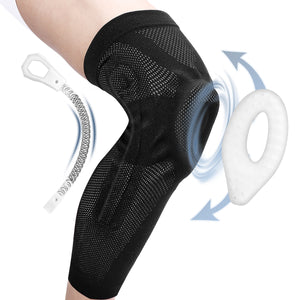
A PTO brace is specifically engineered to combat lateral subluxation. These usually feature a C-shaped or U-shaped buttress made of foam or gel. The buttress is positioned on the outside of the kneecap to push it back toward the center of the joint. These are often considered the gold standard for significant tracking issues.
- Hinged Knee Braces
For those with concurrent ligamentous instability, a hinged brace provides rigid lateral support. While heavier than simple sleeves, the metal or plastic hinges prevent the knee from wobbling side-to-side, ensuring that the primary movement remains in a healthy sagittal plane (front to back).

- Built-In Impact-absorbing EVA Padding
- Sturdy Metal Support
- Dual-Adjustment Fasteners
- Mesh Fabric Construction
- Neoprene and Knit Sleeves
Sleeves offer the least amount of mechanical shifting but provide the highest level of comfort and heat retention. They are ideal for mild cases of PFPS where the primary goal is warmth and light compression rather than significant structural realignment.
Essential Features to Evaluate
When comparing various models, certain technical specifications determine the efficacy of the brace in a clinical or athletic setting.
- Material Breathability and Moisture Wicking
Extended wear requires materials that do not irritate the skin. Perforated neoprene or advanced 3D circular-knit fabrics allow for airflow, preventing the buildup of sweat which can lead to dermatitis or slipping of the brace during exercise.
- Adjustment Systems
Wraparound designs or those with independent strapping systems allow for a customized fit. As swelling fluctuates throughout the day, the ability to tighten or loosen specific zones of the brace ensures consistent support without compromising circulation.
- Open vs. Closed Patella Designs
- Open Patella: A circular cutout at the front reduces direct pressure on the kneecap and allows the skin to breathe. This is generally preferred for PFPS to allow the patella to track without being "mashed" against the femur.
- Closed Patella: Provides uniform compression across the entire joint. This is better suited for general swelling but may aggravate patellofemoral friction in some individuals.
Integration with Athletic Activities
The demands placed on a knee support vary significantly between a weightlifter and a marathon runner. The choice of equipment must reflect the kinetic requirements of the sport.
- High-Impact Running and Jumping
In sports involving high impact, the knee experiences forces several times the body's weight. A low-profile sleeve with a silicone patellar ring is often preferred here. It provides the necessary stabilization of the brace patellar tendonitis designs without the bulk that would hinder a natural running gait.
- Resistance Training and Squatting
During heavy lifting, the knee requires maximum stability at deep flexion angles. A thicker neoprene sleeve (typically 5mm to 7mm) provides a "rebound" effect and significant warmth, keeping the synovial fluid viscous and the joint lubricated during heavy loads.
Maintenance and Longevity of Knee Supports
To ensure the brace continues to provide the intended level of medical support, proper care is mandatory. Salt from sweat can break down elastic fibers over time, leading to a loss of compression.
- Cleaning Protocols
Hand washing in cold water with a mild detergent is the safest method. Machine washing and high-heat drying are common causes of structural failure in orthopedic braces, as they destroy the integrity of the Lycra and Velcro components.
- Signs of Replacement
A brace should be replaced if:
- The compression feels significantly looser than when purchased.
- The stays or hinges are protruding through the fabric.
- The Velcro no longer stays fastened during movement.
- The internal buttress has flattened or shifted permanently.
Biomechanical Synergy with Footwear
The alignment of the knee is inextricably linked to the mechanics of the feet. Overpronation (flat feet) can cause the tibia to rotate internally, which in turn forces the patella to track incorrectly.
- Orthotic Considerations
Using a knee brace in isolation may only address the symptoms. Evaluating arch support and footwear can ensure that the "foundation" of the leg is stable, allowing the knee brace to work more effectively. If the foot is properly aligned, the lateral forces acting on the knee are naturally diminished.
- Surface Impact
Training on softer surfaces like grass or synthetic tracks, combined with a stabilizing brace, can significantly reduce the peak impact forces that irritate the patellofemoral joint.
Functional Limitations of Bracing
While highly effective, a brace is a tool for management rather than a permanent cure for biomechanical deficiencies. It should be used to facilitate movement that might otherwise be too painful to perform.
- Muscle Atrophy Concerns
There is a common misconception that wearing a brace will cause the muscles to "waste away." However, if the brace allows an individual to exercise more frequently and with better form, it actually contributes to muscle maintenance. The key is to engage in strengthening exercises for the Vastus Medialis Obliquus (VMO) and gluteal muscles alongside the use of the support.
- Proper Sizing Accuracy
A brace that is too tight can restrict blood flow and cause numbness, while one that is too loose provides no therapeutic benefit. Measuring the circumference of the thigh (usually 5 inches above the patella) and the calf is necessary to select the correct size from a manufacturer's chart.
Summary of Selection Criteria
Choosing the best support for patellofemoral syndrome requires a balance between stability, comfort, and the specific needs of the user’s activity level.
- For Lateral Tracking: Seek a brace with a lateral buttress (C-shaped).
- For General Pain and Swelling: A high-quality compression sleeve with a gel ring.
- For Intense Sports: A breathable, low-profile wrap with adjustable straps.
- For Heavy Lifting: A thick neoprene sleeve for maximum warmth and joint pressure.
Properly utilized, a Fivali knee brace provides the mechanical assistance needed to navigate the challenges of patellofemoral pain, allowing for a safer return to physical activity and improved joint longevity.