Sore Knees
Sore knees are a common complaint that can affect people of all ages and activity levels. From a dull ache to sharp, throbbing discomfort, the sensation of a sore knee can significantly impact daily activities, exercise routines, and overall quality of life.
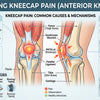
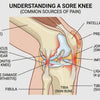
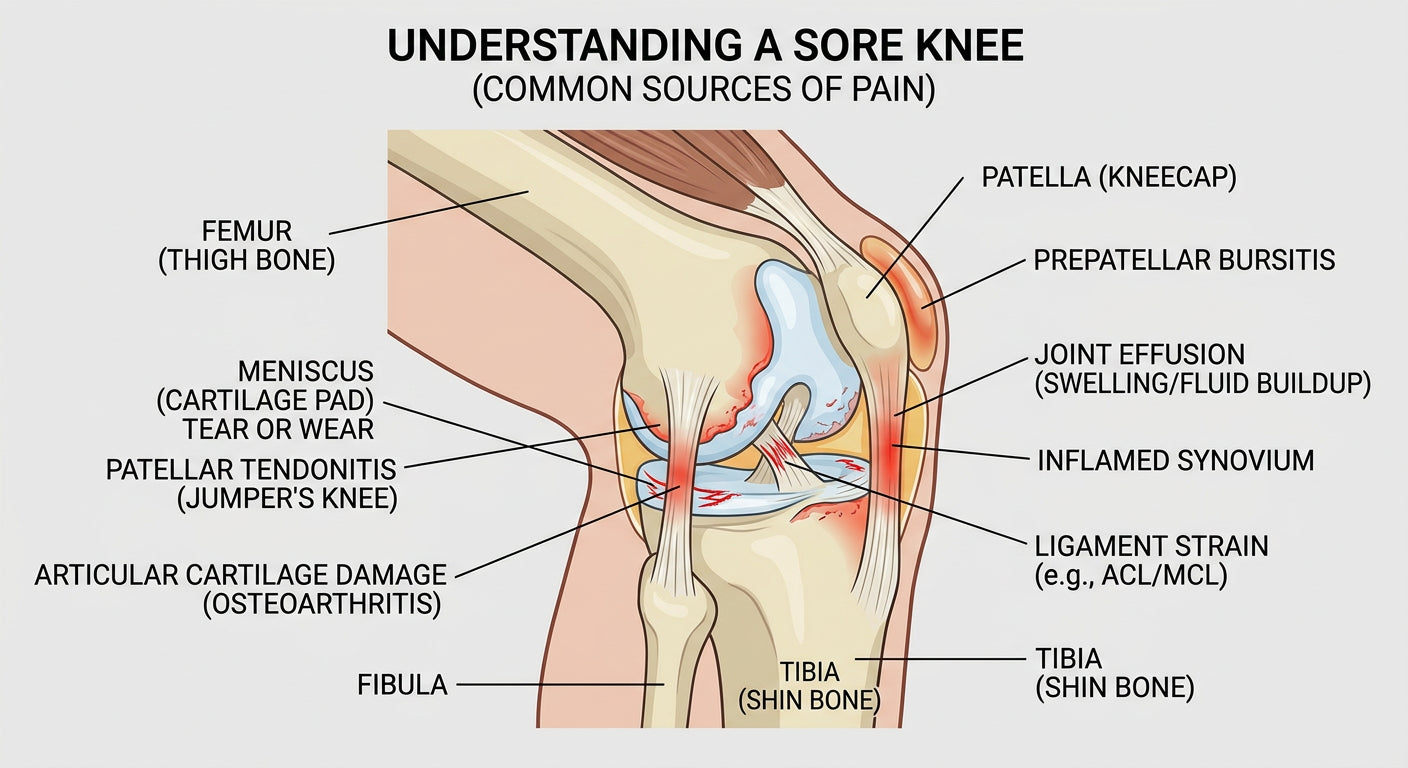
The knee is a complex joint, involving bones, cartilage, ligaments, and tendons that work together to allow smooth movement and support your body weight. The kneecap (patella) plays a crucial role, gliding in a groove as you bend and straighten your leg, guided by various structures that hold it in place. When any of these components are compromised, a sore knee can develop.
What Causes Sore Knees?
- Overuse and Strain: Repetitive motions or excessive stress on the knee joint can lead to inflammation and pain. This is particularly common in individuals who engage in activities that involve running, jumping, or sudden stops. For instance, experiencing knee pain after workout is a frequent sign of overuse.
- Injuries: Acute injuries such as sprains, strains, or cartilage tears (e.g., a meniscus tear) can cause immediate and significant soreness. These often result from falls, direct impacts, or sudden twisting movements.
- Mechanical Problems: Issues with the way the knee moves can contribute to soreness. This might include problems with foot alignment, a displaced patella, or issues within the joint itself. Sometimes, the pain manifests as a distinct pain behind knee.
- Degenerative Changes: As we age, the cartilage that cushions the knee joint can wear down, leading to soreness, stiffness, and reduced mobility.
- Other Factors: Being overweight can put extra stress on the knees, increasing the likelihood of soreness. Improper footwear, muscle imbalances, and poor form during physical activity can also contribute. For example, individuals might experience knee pain when squatting if their technique is incorrect or their knees are already compromised.
When to Seek Professional Advice for Sore Knees
- The soreness is severe or suddenly worsens.
- You cannot bear weight on the affected leg.
- The knee appears deformed, or you notice significant swelling.
- You hear a "popping" sound at the time of injury.
- The soreness persists for more than a few days despite self-care.
- You experience fever, redness, or warmth around the joint.
Relief and Management Strategies for Sore Knees
Initial Self-Care (R.I.C.E. Method)
For acute soreness or following an injury, the R.I.C.E. method is a commonly recommended first step:
- Rest: Avoid activities that worsen the pain. Give your knee time to heal.
- Ice: Apply ice packs to the affected area for 15-20 minutes at a time, several times a day, to reduce swelling and pain.
- Compression: Use a compression sleeve or elastic bandage to help reduce swelling. Ensure it's snug but not too tight.
- Elevation: Keep your knee elevated above your heart, especially when resting, to help minimize fluid retention.
Activity Modification and Exercise
Adjusting your physical activities can be crucial. Choose low-impact exercises like swimming or cycling that place less stress on the knees. Incorporate gentle stretches and strengthening exercises for the muscles around the knee and hip to improve stability and support.
Supportive Gear
For ongoing support and relief, particularly during activity, various types of knee supports can be beneficial. From compression sleeves to more structured designs, the right support can help stabilize the joint, reduce swelling, and alleviate pain. If you're looking for solutions, exploring options for a knee brace for pain can be helpful. For specific kneecap issues, some people find relief with patella straps, which can help guide the kneecap and reduce stress on the patellar tendon. For those seeking comprehensive relief, finding the best knee brace for pain that suits their specific needs is key.
Preventing Sore Knees
- Maintain a Healthy Weight: Reducing excess weight can significantly lessen the load on your knee joints.
- Strengthen Leg Muscles: Strong quadriceps, hamstrings, and glutes provide better support and stability for your knees.
- Warm-Up and Cool-Down: Always prepare your body for exercise with a proper warm-up and gradually cool down afterward with stretches.
- Proper Footwear: Wear supportive shoes that fit well and are appropriate for your activity.
- Listen to Your Body: If an activity causes discomfort, stop or modify it. Pushing through pain can lead to more serious problems.
Managing a sore knee effectively involves understanding its causes, applying appropriate self-care, and knowing when to seek professional guidance.
-
Veröffentlicht in
Knee Injuries