Stiff Knee
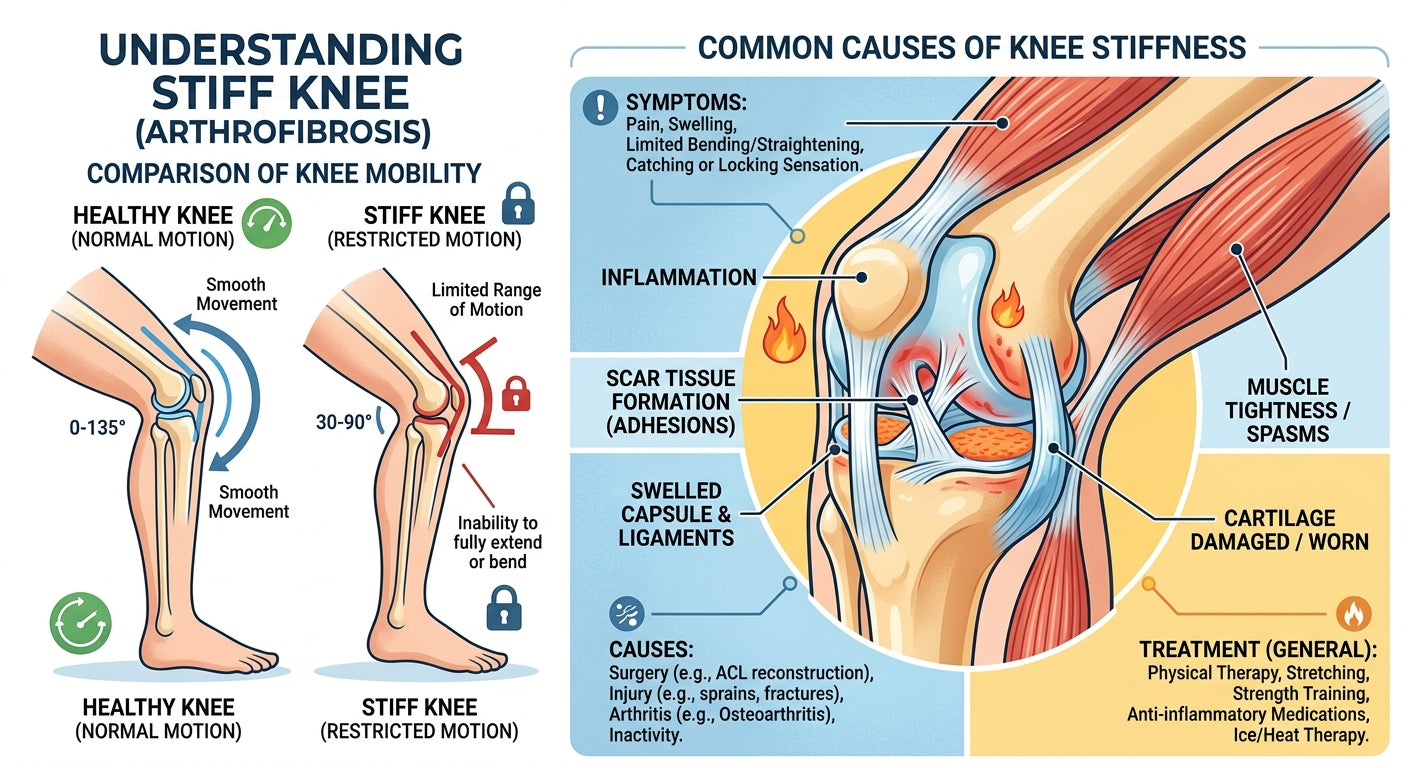
A stiff knee can significantly impact your daily life, making simple actions like walking, bending, or climbing stairs feel challenging. This common issue refers to a feeling of tightness or restricted movement in the knee joint, making it difficult to fully straighten or bend your leg. It’s often accompanied by pain, swelling, or a limited range of motion, signaling that something within the complex structure of your knee isn't functioning as smoothly as it should.
Common Causes Behind a Stiff Knee
The knee is a remarkable joint, but its complexity also makes it susceptible to a variety of issues that can lead to stiffness. Identifying the specific cause is crucial for appropriate management.
- Arthritis: One of the most prevalent causes, arthritis can lead to knee stiffness. Osteoarthritis, a degenerative condition, causes cartilage to wear down, leading to bone-on-bone friction. Rheumatoid arthritis, an autoimmune disease, causes inflammation that can damage the joints. Gout and other inflammatory conditions can also contribute. For those experiencing persistent discomfort, exploring options such as knee braces for bone-on-bone arthritis might be worth considering.
- Injuries: Trauma to the knee can lead to stiffness. This includes ligament tears, such as an ACL tear, or injuries to the meniscus. Fractures, even minor ones, can also limit movement and cause stiffness as the knee heals. The question of whether will a knee brace help a torn meniscus is a common one for those recovering from such injuries.
- Swelling or Fluid Buildup (Effusion): Excess fluid within the knee joint, often called "water on the knee" or effusion, puts pressure on the joint, limiting its ability to bend and straighten. This can stem from injury, infection, or arthritic flare-ups. Learning how to get rid of fluid on the knee can be a vital part of alleviating stiffness.
- Inactivity: Prolonged periods of rest or inactivity can cause the soft tissues around the knee to shorten and tighten, leading to stiffness. This is often described as "movie theater knee" or "junk knee," in which the joint feels rigid after prolonged sitting. Regular, gentle movement is key to preventing this.
- Post-Surgery Complications: Following knee surgery, such as a ligament repair or joint replacement, stiffness can occur due to inflammation, scar tissue formation, or the body's natural healing response. Physical therapy is often critical in restoring the full range of motion.
- Patellofemoral Pain Syndrome: Also known as runner's knee, this condition causes pain around the kneecap and can lead to stiffness, particularly after prolonged sitting or during activities such as climbing stairs.
- Baker's Cyst: This is a fluid-filled sac that forms behind the knee, often secondary to other knee problems such as arthritis or a meniscal tear. It can cause a feeling of tightness and stiffness, especially when bending the knee.
| Condition | Primary Cause | Stiffness Level | Pain Level | Treatment Outcome | Next Step for Relief |
|---|---|---|---|---|---|
| Osteoarthritis | Cartilage degeneration | High | Moderate | Gradual Improvement | Physical Therapy |
| Meniscus Tear | Acute injury, twisting | Moderate | High | Variable | Medical Consultation |
| Ligament Sprain/Tear (ACL) | Sudden impact, pivoting | High | High | Requires Rehab | Specialist Assessment |
| Patellofemoral Pain (Runner's Knee) | Overuse, misalignment | Low | Moderate | Good Improvement | Rest & Targeted Exercise |
| Fluid Buildup (Effusion) | Injury, inflammation, infection | Moderate | Variable | Resolves with Cause | Address Underlying Issue |
| Inactivity | Lack of movement, prolonged sitting | Low | Low | Quick Improvement | Gentle Movement |
Symptoms Accompanying Knee Stiffness
- Pain: From a dull ache to sharp, intense pain, often worse with movement.
- Swelling: Visible puffiness around the knee joint.
- Limited Range of Motion: Difficulty fully straightening or bending the leg.
- Clicking, Popping, or Grinding Sensations: Sounds or feelings within the joint during movement.
- Warmth or Redness: Indicating inflammation or possibly infection.
- Weakness or Instability: A feeling that the knee might give out.
- A burning sensation in the knee can also be a sign of nerve irritation or inflammation.
Diagnosing the Cause of Your Stiff Knee
- Medical History Review: Discussing your symptoms, past injuries, and general health.
- Physical Examination: Assessing your knee's range of motion, stability, tenderness, and looking for signs of swelling or warmth.
-
Imaging Tests:
- X-rays: To visualize bone structures and detect signs of arthritis or fractures.
- MRI (Magnetic Resonance Imaging): Provides detailed images of soft tissues such as ligaments, tendons, and cartilage, which are crucial for identifying tears.
- Ultrasound: Can help identify fluid buildup or soft tissue abnormalities.
- Blood Tests: May be ordered to check for inflammatory conditions like rheumatoid arthritis or gout.
Effective Strategies for Managing and Treating a Stiff Knee
Home Remedies and Lifestyle Adjustments:
- R.I.C.E. Method: For acute stiffness or post-injury, Rest, Ice, Compression (with a bandage or wrap), and Elevation can help reduce swelling and pain.
- Over-the-Counter Pain Relievers: Medications such as ibuprofen and naproxen can help manage pain and inflammation.
- Gentle Movement and Stretching: Regular, low-impact exercises like walking, cycling, or swimming can help maintain joint flexibility. Stretching exercises specifically designed for the knee and surrounding muscles are also beneficial.
- Heat Therapy: Applying a warm compress or taking a warm bath can relax muscles and improve blood flow, easing stiffness, especially in the morning.
- Weight Management: If you are overweight, even a modest amount of weight loss knee pain can significantly reduce the load on your knee joints, thereby lessening stiffness and pain.
Professional Interventions:
- Physical Therapy: A physical therapist can design a personalized exercise program to strengthen the muscles supporting the knee, improve flexibility, and restore proper movement patterns. They may also use techniques like massage, manual therapy, and ultrasound.
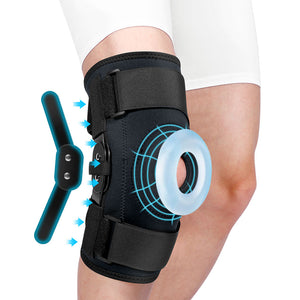
- Supportive Gear: Knee supports can provide stability and compression, helping to reduce swelling and improve comfort during activity. There are many options available, including those that provide general support for everyday aches and those that offer specific support for more pronounced pain.
-
Injections: For chronic stiffness and pain, a healthcare provider might suggest injections such as:
- Corticosteroid Injections: To reduce inflammation within the joint.
- Hyaluronic Acid Injections: To lubricate the joint and improve cushioning.
- Surgery: In severe cases where other treatments have failed, surgery may be necessary. This could range from arthroscopy (a minimally invasive procedure to remove damaged tissue or scar tissue) to partial or total knee joint replacement.
Preventing a Stiff Knee
- Stay Active: Engage in regular, low-impact exercise to keep your knee joints mobile and strengthen surrounding muscles.
- Maintain a Healthy Weight: Reducing excess body weight lessens the stress on your knees.
- Listen to Your Body: Avoid pushing through pain. If an activity causes discomfort, modify it or take a break.
- Proper Technique: When exercising or lifting, ensure you use correct form to protect your knees from injury.
- Warm-Up and Cool-Down: Always include a warm-up before exercise and a cool-down with stretches afterward.
If you're experiencing persistent knee pain or stiffness, consulting with a healthcare professional is always recommended to receive an accurate diagnosis and a tailored treatment plan, which may include an effective knee brace for pain relief.
-
Veröffentlicht in
Knee Injuries