Chondromalacia Patellae
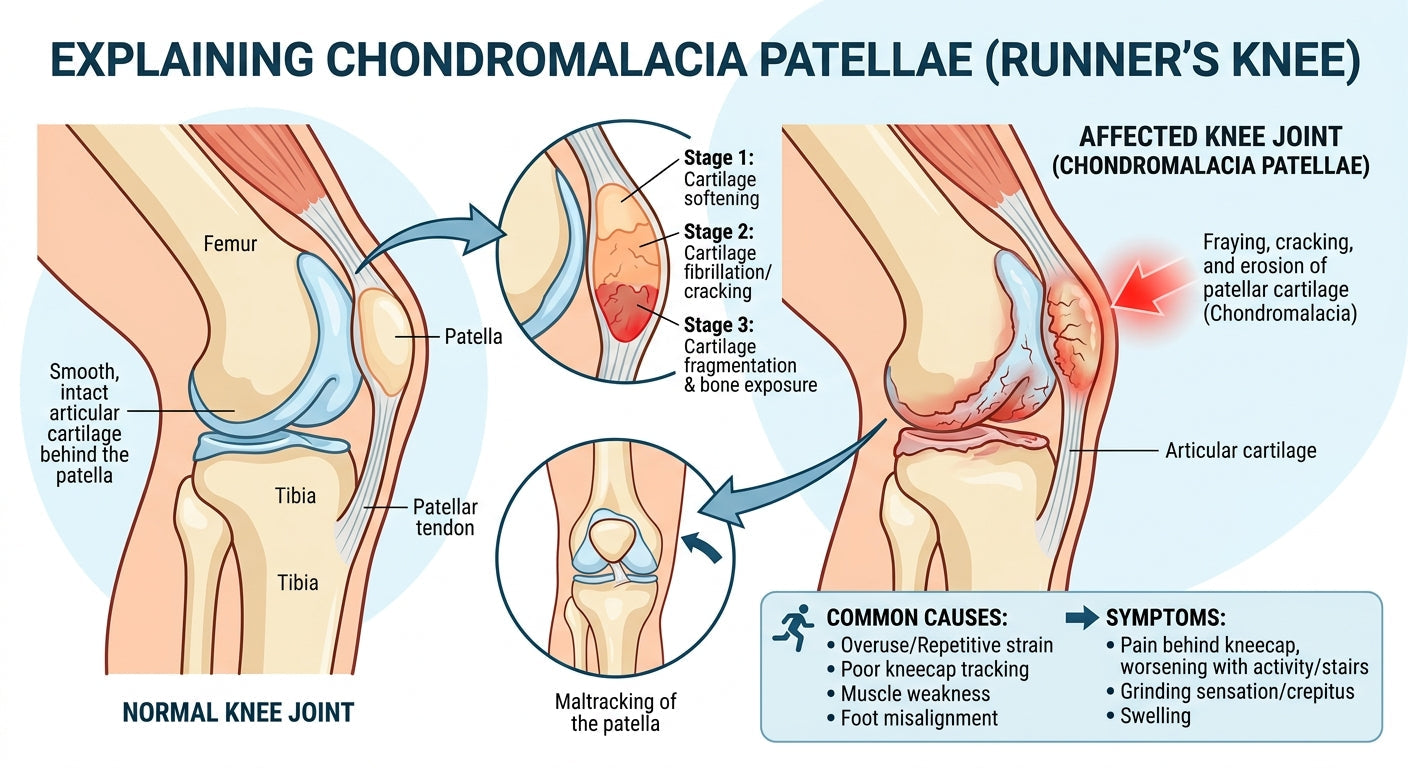
Chondromalacia Patellae, often referred to as "runner's knee," is a common condition characterized by the softening and breakdown of the cartilage on the underside of the kneecap (patella). This vital cartilage acts as a natural shock absorber and allows the patella to glide smoothly over the thigh bone (femur) during knee movement. When this cartilage softens or becomes damaged, it can lead to discomfort, pain, and restricted movement in the knee joint.
While often associated with athletes, Chondromalacia Patellae can affect individuals of all activity levels, from teenagers experiencing growth spurts to older adults.

What is Chondromalacia Patellae?
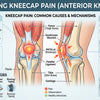
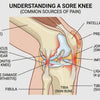
The patella, or kneecap, is a small, triangular bone located at the front of the knee joint. It is embedded within the quadriceps tendon and helps increase the leverage of the thigh muscles, enabling efficient straightening of the leg. The underside of the patella is covered with articular cartilage, a smooth, slippery tissue that minimizes friction as the patella moves within the trochlear groove of the femur.
Chondromalacia Patellae occurs when the articular cartilage degenerates. This degeneration can range from minor softening (Grade 1) to significant erosion and exposure of the underlying bone (Grade 4). This damage disrupts the smooth gliding mechanism, leading to pain and other symptoms, particularly during activities that involve bending the knee.
Recognizing the Symptoms
- Dull, aching pain around or behind the kneecap, often worsened by activities such as climbing stairs, running, squatting, or prolonged sitting with bent knees (known as "theater sign").
- Grinding, clicking, or popping sensations (crepitus) when bending or straightening the knee.
- Tenderness when pressing on the kneecap.
- Swelling or a feeling of fluid accumulation around the knee.
- A sensation of the knee "giving way" or buckling.
These symptoms often worsen with increased activity and improve with rest.
Common Causes and Risk Factors
- Patellar Maltracking: a primary culprit. If the kneecap doesn't track smoothly in its groove, it can rub abnormally against the thigh bone, causing cartilage wear and tear. Factors affecting what holds the patella in place can contribute to this issue.
- Overuse and Repetitive Stress: High-impact activities or sports that involve repeated bending of the knees, such as running, jumping, and cycling, can place excessive stress on the patellar cartilage. This is why it's often called runner's knee. Individuals looking for a quality knee brace for running might find relief.
- Muscle Imbalances: Weakness in the quadriceps muscles (especially the vastus medialis obliquus, VMO) or tightness in the hamstrings, IT band, or calf muscles can pull the patella out of alignment.
- Trauma or Injury: A direct blow to the kneecap or a previous dislocation can damage the cartilage.
- Anatomical Abnormalities: Flat feet, knock-knees, or abnormalities in patellar shape or the trochlear groove can predispose individuals to the condition.
- Age: While common in active youth, cartilage breakdown in older adults may be part of general degenerative changes.
- Obesity: Carrying excess weight places additional stress on the knee joints, increasing the risk of cartilage damage. Learning how do you treat knee pain when overweight is important for overall knee health.
Diagnosis of Chondromalacia Patellae
- Physical Examination: A healthcare professional will examine the knee, checking for tenderness, swelling, range of motion, and patellar tracking. Special tests may be performed to assess alignment and stability.
- Medical History: Discussing your symptoms, activity levels, and any previous injuries provides valuable context.
-
Imaging Studies:
- X-rays can help rule out other bone-related issues and may show signs of patellar tilting or arthritis.
- MRI (Magnetic Resonance Imaging) is the most effective way to visualize cartilage damage, offering detailed images of the soft tissues around the knee.
Effective Treatment Strategies
Conservative Treatments
- Rest and Activity Modification: Reducing or temporarily stopping activities that aggravate the knee is crucial. Replacing high-impact exercises with low-impact alternatives like swimming or cycling can be beneficial.
- RICE Protocol: Rest, Ice, Compression, and Elevation can help manage pain and swelling, especially after activity.
- Pain Management: Over-the-counter anti-inflammatory medications can help alleviate pain and reduce inflammation.
-
Physical Therapy: A cornerstone of treatment, physical therapy focuses on:
- Strengthening the quadriceps (especially the VMO), hip abductors, and gluteal muscles.
- Stretching tight muscles, such as hamstrings, the IT band, and calves.
- Improving patellar tracking through specific exercises.
- Proprioception and balance training.
- Knee Support and Bracing: Wearing a patella tracking brace can help improve kneecap alignment and reduce pressure on the cartilage. Some individuals also find relief using the best knee support for patellofemoral pain. When it comes to supporting the knee to manage discomfort, there are various knee brace for pain options available.
- Taping: Kinesiology taping techniques can be used to reposition the patella and alleviate pressure. Understanding how to strap a knee for running might be helpful in some cases, although consulting a professional is always recommended.
- Weight Management: For individuals who are overweight, losing excess weight can significantly reduce the load on the knee joints and improve symptoms.
Advanced Interventions
If conservative treatments do not provide sufficient relief after several months, a healthcare professional may consider more advanced options:
-
Injections:
- Corticosteroid injections can reduce inflammation and pain, but are generally not a long-term solution for cartilage health.
- Hyaluronic acid injections (viscosupplementation) may improve lubrication and shock absorption in the joint.
- Platelet-Rich Plasma (PRP) injections or stem cell therapies are emerging treatments aimed at promoting tissue healing, though more research is needed to fully establish their efficacy for Chondromalacia Patellae.
-
Arthroscopic Surgery: In rare and severe cases, surgery may be considered. Procedures can include:
- Chondroplasty: Smoothing frayed cartilage.
- Lateral Release: Cutting the tight lateral retinaculum to allow the patella to track more centrally.
- Tibial Tubercle Transfer: Repositioning the attachment point of the patellar tendon to improve alignment.
Prevention is Key
- Warm up properly: Always warm up before exercise and cool down afterward.
- Gradual Increase in Activity: Avoid sudden increases in exercise intensity or duration.
- Strengthen Supporting Muscles: Focus on strengthening the quadriceps, hamstrings, and hip muscles to ensure proper knee stability and alignment.
- Maintain Flexibility: Regularly stretch tight muscles around the knee and hips.
- Proper Footwear: Wear supportive shoes appropriate for your activities.
- Listen to Your Body: Don't push through pain. Rest when needed and seek professional advice if discomfort persists.
By understanding Chondromalacia Patellae and taking proactive steps, individuals can effectively manage their symptoms and protect their knee health, allowing them to remain active and enjoy their daily lives with less discomfort.
-
Veröffentlicht in
Knee Injuries