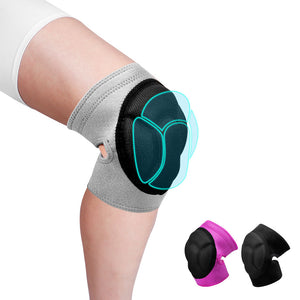
Osgood Schlatter Knee Brace
- Black
- Green
- Orange
- Pink
- Black
- Blue
- Green
- Red
- Orange
- Blue
- Dark Blue
- Black
- White
- Red
- Blue
- Black
- Blue
- Green
- Red
- Blue
- Black
- White
- Red
- Black
- Blue
- Red
- Orange
- Yellow
- Dark Blue
- Grey
- Black
- Blue
- Pink
- Grey
- Black
- White
- Light Black
- Black
- Light Grey
- Grey
- Magenta
- Black
- Green
- Black
- Grey
- Red
- Blue
Does Compression Help Osgood-Schlatter?
Osgood-Schlatter disease is one of the most prevalent causes of knee pain in growing adolescents, and it is especially common among those who participate in high-impact youth sports such as basketball, soccer, volleyball, and track. Characterized by a distinct, tender lump accompanied by pain and swelling just below the kneecap at the tibial tuberosity, this condition can easily sideline an active teen. The discomfort stems from repetitive strain on the knee joint, where the patellar tendon continuously pulls against the shinbone, ultimately causing irritation and inflammation of the growth plate.
As youth sports become increasingly competitive, many young athletes, along with their parents and coaches, are actively seeking effective, non-invasive ways to alleviate discomfort, manage symptoms, and facilitate a safe return to play.
Understanding the Mechanics of Teenage Knee Pain
Before diving into treatments, it helps to understand why this condition occurs. During rapid teenage growth spurts, the bones, muscles, and tendons lengthen at different rates. This biological timeline, combined with the physical demands of running, jumping, and quick directional changes on hard courts or turf fields, creates significant tension across the knee joint. When rest alone isn't an option or isn't enough, finding physical support to mitigate this tension becomes a top priority.
The Role of Compression in Managing Osgood-Schlatter Symptoms
When addressing growth plate irritation and joint stiffness, many families consider the benefits of targeted compression. So, does compression actually help Osgood-Schlatter? The short answer is a resounding yes.
Integrating specialized compression wear into an athlete's routine serves a multifaceted purpose. The fundamental concept behind using compression is its ability to gently yet firmly hug the joint, which directly helps to reduce localized swelling and provide structural stabilization to the knee. By applying consistent, uniform pressure around the patellar tendon, compression garments help limit the excessive micro-movements and vibrations that typically aggravate the inflamed tibial tuberosity during physical exertion.
Finding the Right Targeted Support
While basic compression sleeves offer general warmth and mild swelling reduction, opting for a specifically designed Osgood-Schlatter knee brace can provide superior targeted support. These tailored supports are engineered to isolate the exact area of discomfort. By wrapping around the leg just below the kneecap, they successfully redirect the pulling forces away from the sensitive tibial tuberosity and growth plate, absorbing the shock of high-impact landings before they can irritate the bone.
Key Benefits of Using Knee Braces and Compression
The advantages of wearing compression gear extend far beyond basic swelling control. For young athletes navigating the challenges of growing pains and sports injuries, these supports offer several critical benefits:
1. Optimal Force Distribution
Every time an athlete jumps for a rebound or sprints down the soccer field, mechanical forces are driven straight through the knee. A well-constructed support strap or brace acts as a shock absorber. It helps distribute these mechanical forces more evenly across the broader knee complex, significantly relieving the concentrated pressure on the highly inflamed attachment point of the shinbone.
2. Improved Joint Alignment and Movement
Knee compression naturally promotes better tracking of the patellar tendon. By keeping the joint properly aligned during repetitive movements, the risk of further friction and irritation drops dramatically. This biomechanical correction helps the knee function more smoothly under stress.
3. Enhanced Proprioception
Proprioception is your body’s subconscious ability to sense its exact position, movement, and balance in space. A snug, well-fitted brace dramatically enhances this sensory feedback. When the skin and underlying receptors sense the continuous pressure from the fabric, the brain receives stronger signals about the knee's position. This allows athletes to naturally adjust their jumping and landing forms, move more efficiently, and reduce the risk of aggravating their injury.
4. Increased Confidence and Mental Reassurance
Osgood-Schlatter can take a mental toll on a young athlete, causing them to play hesitantly out of fear of sudden, sharp pain. Many active teens report experiencing significant physical relief and a profound psychological boost when they wear knee support. The physical sensation of compression provides a deep sense of security, empowering them to focus on the game and participate in their favorite sports with vastly reduced anxiety.
Creating a Comprehensive Care Routine
While compression is highly effective, it works best when integrated into a broader routine for managing adolescent knee pain. Families should consider combining bracing with:
- Ice Therapy: Applying ice packs directly to the tibial tuberosity after practices and games helps constrict blood vessels, reducing post-exercise inflammation.
- Targeted Stretching: Tight quadriceps and hamstrings place heavy pressure on the kneecap. A daily stretching routine increases flexibility, thereby reducing the baseline tension on the patellar tendon.
- Activity Modification: While athletes want to play every minute of every game, monitoring activity volume is crucial. Temporarily reducing the intensity of jumping and sprinting allows the growth plate valuable time to calm down.
Osgood-Schlatter is a self-limiting condition that resolves once the adolescent has finished growing and the growth plates have naturally fused into solid bone. In the meantime, strategically utilizing compression and targeted knee support remains one of the most reliable, effective, and empowering ways to keep young athletes active, comfortable, and confident on their feet.