Patellar Tendonitis
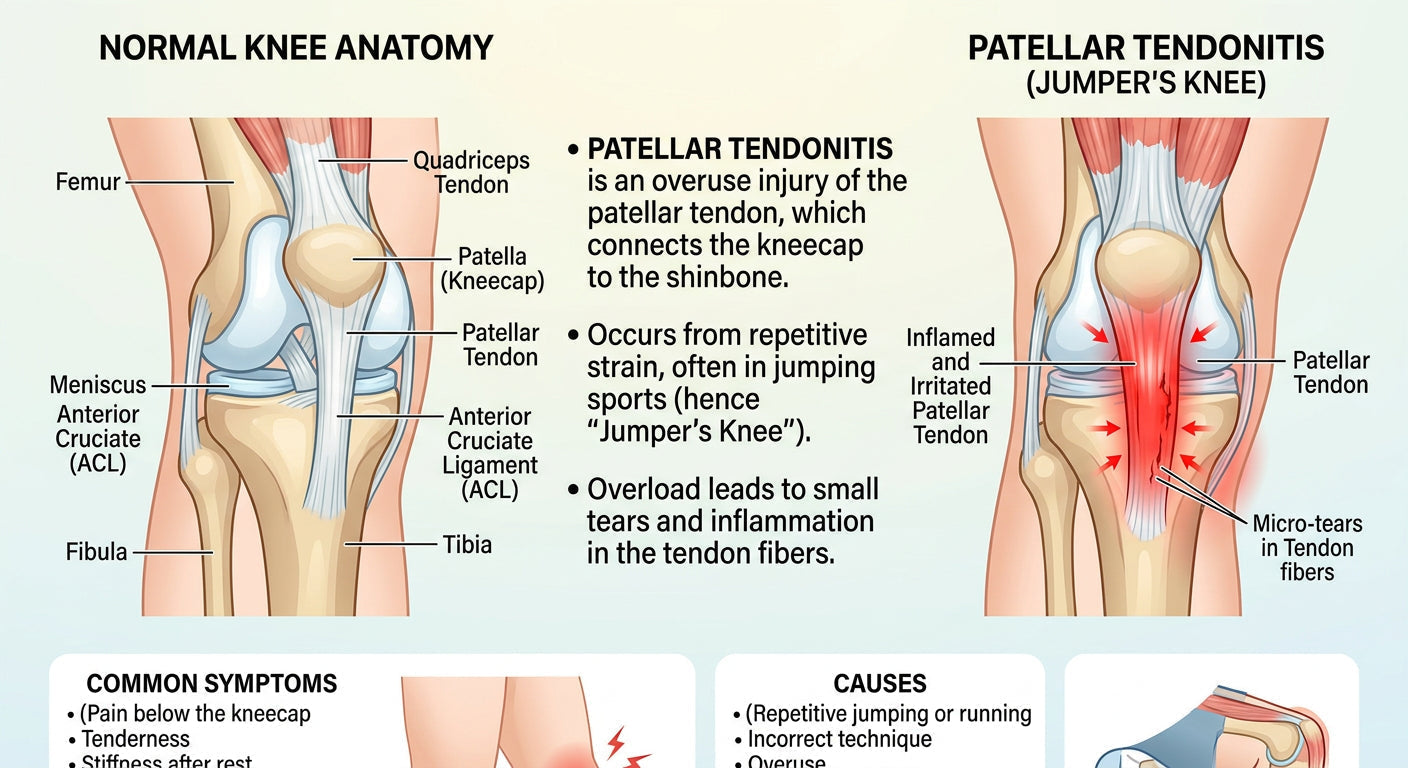
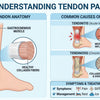
Patellar Tendonitis, commonly known as Jumper's Knee, is a condition characterized by inflammation or degeneration of the patellar tendon, which connects your kneecap (patella) to your shinbone (tibia). This vital tendon plays a crucial role in straightening your leg, absorbing impact, and enabling explosive movements like jumping. While often associated with athletes, particularly those in sports involving frequent jumping and quick changes of direction, such as basketball, volleyball, and track and field, it can affect anyone who engages in activities that put repetitive stress on the knee.
What Causes Jumper's Knee?
The primary cause of Patellar Tendonitis is repetitive stress on the patellar tendon. This stress causes tiny tears in the tendon that the body struggles to repair, leading to inflammation and gradual weakening over time. Several factors contribute to this overuse:
- Overuse and Repetitive Strain: The most common culprit. Activities that involve repeated jumping, running, or quick stops and starts place continuous strain on the patellar tendon.
- Sudden Increase in Activity: A rapid increase in the intensity, duration, or frequency of physical activity without adequate conditioning can overload the tendon.
- Poor Technique: Incorrect landing mechanics during jumps or inefficient running form can place undue stress on the knee joint and tendons.
- Muscle Imbalances: Weakness in the quadriceps or hamstrings, or tightness in the thigh muscles, can alter knee mechanics, increasing strain on the patellar tendon.
- Inflexible Thigh Muscles: Tight quadriceps muscles can increase the tension on the patellar tendon, making it more susceptible to injury.
- Improper Footwear or Surfaces: Worn-out athletic shoes or training on hard, unforgiving surfaces can contribute to the problem by failing to absorb shock effectively.
Recognizing the Symptoms
- Pain Below the Kneecap: This is the hallmark symptom, often felt just below the kneecap at the front of the knee.
- Pain Worsening with Activity: The pain usually begins during or after physical activity and may become more persistent and intense if the condition progresses.
- Stiffness: The knee may feel stiff, especially in the morning or after prolonged sitting.
- Tenderness to Touch: The area directly below the kneecap may be tender.
- Weakness or Instability: In advanced cases, you might experience a feeling of weakness in the knee or a sensation of instability.
The pain can vary in intensity, from a mild ache that disappears after warming up to severe pain that completely sidelines an individual from their activities.

Treatment and Recovery Protocols
Most cases of Patellar Tendonitis respond well to conservative treatments that focus on reducing pain and inflammation and strengthening the affected area.
Conservative Care
- Rest and Activity Modification: This is crucial. Reducing or temporarily stopping activities that aggravate the pain allows the tendon to heal. Substituting high-impact exercises with low-impact alternatives like swimming or cycling can be beneficial.
- Ice Application: Applying ice to the affected area for 15-20 minutes several times a day can help reduce pain and inflammation.
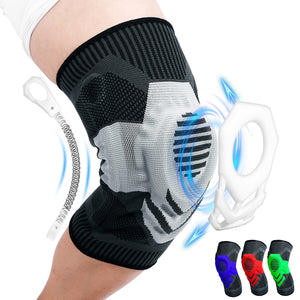
- Compression: Using a bandage or a specialized support can help minimize swelling. Many athletes find that wearing a patellar tendon strap or a knee strap helps relieve pressure on the tendon during activity. Understanding how a patella knee brace works can provide insight into its support benefits.
- Elevation: Elevating the leg can also help reduce swelling.
- Pain Management: Over-the-counter pain relievers can help manage discomfort, but it's important to consult with a healthcare professional before prolonged use.
Physical Therapy and Rehabilitation
- Stretching: Exercises to improve flexibility in the quadriceps, hamstrings, and calf muscles, thereby reducing tension on the patellar tendon.
- Strengthening: Eccentric exercises (where the muscle lengthens under tension) for the quadriceps are particularly effective. These can involve squats or leg presses performed slowly to emphasize the lowering phase. Strengthening the glutes and core muscles also helps improve overall lower-body stability.
- Proprioception and Balance Training: Exercises to improve balance and coordination can help restore proper movement patterns and prevent future injuries.
Supportive Devices
For ongoing support during recovery or when returning to activity, various supportive devices can be beneficial. Many individuals look for the best knee brace for patellar tendonitis to help manage symptoms. A jumpers knee brace can specifically target the patellar tendon to provide compression and alleviate pain. Additionally, a general knee stabilizer or a dedicated knee brace for pain can offer overall support and comfort. Athletes, especially those in sports like basketball, often consider knee braces to protect their knees during demanding play.
Prevention Strategies
- Gradual Increase in Activity: Avoid sudden spikes in training volume or intensity. Gradually build up your activity levels to allow your body to adapt.
- Proper Warm-up and Cool-down: Always begin workouts with a dynamic warm-up and end with a static cool-down, focusing on stretching the leg muscles.
- Strength and Flexibility Training: Incorporate regular strength training into your routine for your quadriceps, hamstrings, glutes, and core. Maintain good flexibility through stretching routines.
- Proper Technique: Pay attention to your form during sports and exercises. Seek guidance from coaches or trainers to ensure correct jumping and landing mechanics.
- Listen to Your Body: Do not push through pain. If you feel discomfort, reduce your activity level and allow time for recovery. Trying to heal wrist tendonitis fast or other tendon issues often means listening to your body's signals for rest.
- Appropriate Footwear: Wear athletic shoes with good cushioning and support, and replace them regularly as they show signs of wear.
-
Veröffentlicht in
Knee Injuries