Patellofemoral Pain
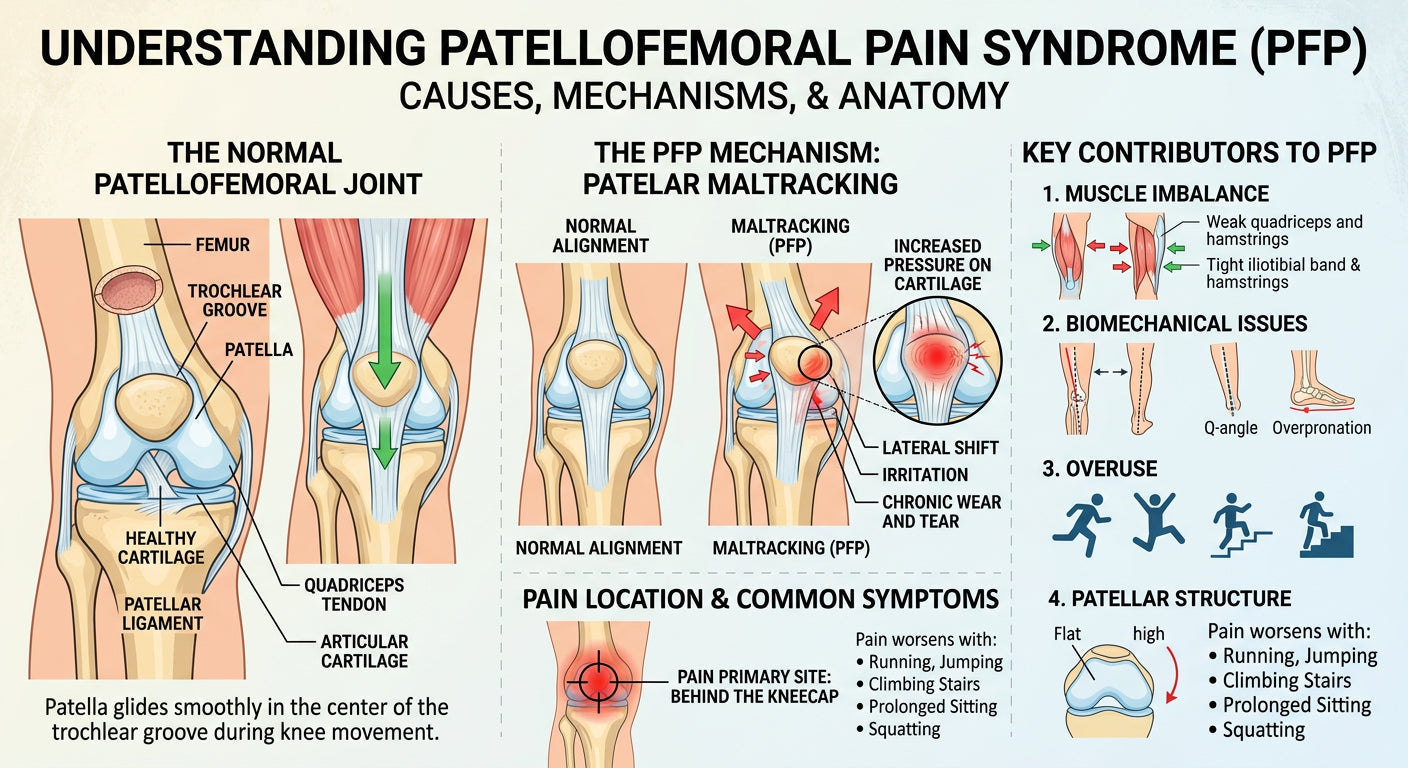
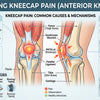
Patellofemoral pain, often referred to as "runner's knee" or anterior knee pain, is a common condition characterized by discomfort around or behind the kneecap (patella). This condition affects individuals across various activity levels, from athletes to those with less active lifestyles, making everyday movements like climbing stairs, squatting, or even prolonged sitting uncomfortable.
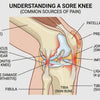
The patella, or kneecap, is a small, triangular bone that sits at the front of the knee, protecting the joint and increasing the leverage of the quadriceps muscle. It slides in a groove on the thigh bone (femur) when you bend and straighten your leg. When this sliding motion is disrupted, or excessive stress is placed on the joint, it can lead to irritation and pain – the hallmark of Patellofemoral Pain.

What Causes Patellofemoral Pain?
- Overuse and Overload: Repetitive activities that put stress on the knee, such as running, jumping, or cycling, especially when increased too quickly or performed without proper conditioning, can irritate the joint. This is particularly common if your knee hurts only when running.
- Muscle Imbalances: Weakness in the quadriceps (especially the vastus medialis obliquus), gluteal, or core muscles can lead to improper patellar tracking. Tightness in the hamstrings, calves, or hip flexors can also alter knee mechanics.
- Anatomical Factors: Some individuals may have natural variations in their knee anatomy, such as a shallow patellar groove or patellar tilt, which can predispose them to improper patellar movement. Understanding what holds the patella in place is key to appreciating these factors.
- Poor Biomechanics: Issues with foot pronation (flat feet), hip alignment, or knee valgus ("knock-knees") can change the forces acting on the kneecap, leading to pain.
- Trauma: A direct blow to the kneecap or a fall can sometimes initiate Patellofemoral Pain, though it's more commonly an overuse injury.
Recognizing the Symptoms of Patellofemoral Pain
The primary symptom of Patellofemoral Pain is a dull, aching pain felt at the front of the knee, typically behind or around the kneecap. This pain often worsens with specific activities:
- Climbing or descending stairs
- Squatting or kneeling
- Running or jumping
- Sitting for long periods with the knee bent (known as the "moviegoer's sign")
Some individuals may also experience clicking, popping, or grinding sensations (crepitus) in the knee, especially during movement. While it's common for some individuals to intentionally how to pop your knee, these sounds are different when associated with pain and are often indicative of friction or irritation within the joint. Swelling is less common but can occur in more severe cases.
Diagnosis and When to Seek Professional Advice
Diagnosing Patellofemoral Pain typically involves a thorough physical examination by a healthcare professional. They will assess your knee's range of motion, muscle strength, alignment, and patellar tracking. They may perform specific tests to reproduce your pain and rule out other conditions. Imaging tests like X-rays or MRIs are usually not necessary unless there's concern for other structural damage or if the pain is severe and unresponsive to initial treatments.
It's advisable to seek professional medical advice if your knee pain persists, worsens, interferes with daily activities, or causes significant swelling or instability. Early intervention can often prevent the condition from becoming chronic.
Effective Management and Treatment Strategies
- Rest and Activity Modification: Reducing or temporarily stopping activities that aggravate your pain is crucial. This doesn't necessarily mean complete immobilization; rather, it means finding alternatives that don't stress the knee. Gradually reintroducing activities as pain subsides is key.
-
Physical Therapy and Exercises: A tailored exercise program is often the cornerstone of treatment. This typically includes:
- Strengthening exercises for the quadriceps (especially the inner thigh muscle), hip abductors, hip external rotators, and core muscles to improve stability and alignment.
- Stretching exercises for tight muscles, such as hamstrings, quadriceps, and calf muscles. Learning how to increase flexibility in legs can be highly beneficial.
- Supportive Devices: Various supportive aids can help manage symptoms by providing compression, warmth, and improved patellar tracking. A specialized patellofemoral pain syndrome brace can offer significant relief by guiding the kneecap. When considering options, the best knee support for patellofemoral pain depends on features like patellar stabilization and overall comfort. For comprehensive relief, you might also explore a general knee brace for pain. For athletes, a recommended knee support for runners can provide essential aid. These devices, including a knee stabilizer, can help maintain proper alignment during activity.
- Pain Management: Applying ice to the affected area after activity can help reduce pain and inflammation. Over-the-counter pain relievers can also provide temporary relief.
- Footwear and Orthotics: Appropriate footwear that provides good support is essential. In some cases, custom or over-the-counter orthotics can help correct foot mechanics and reduce stress on the knee.
Prevention Tips
- Gradual Increase in Activity: Avoid sudden increases in the intensity, duration, or frequency of your workouts. Allow your body time to adapt.
- Proper Training Techniques: Ensure you maintain proper form during exercises and sports.
- Warm-up and Cool-down: Always include a dynamic warm-up before exercise and a static cool-down with stretching afterward.
- Maintain Muscle Balance: Regularly perform exercises that strengthen your quadriceps, glutes, and core, and stretch tight muscles.
- Appropriate Footwear: Wear shoes that fit well and provide adequate support for your activity. Replace athletic shoes regularly.
-
Veröffentlicht in
Knee Injuries