PCL Tear
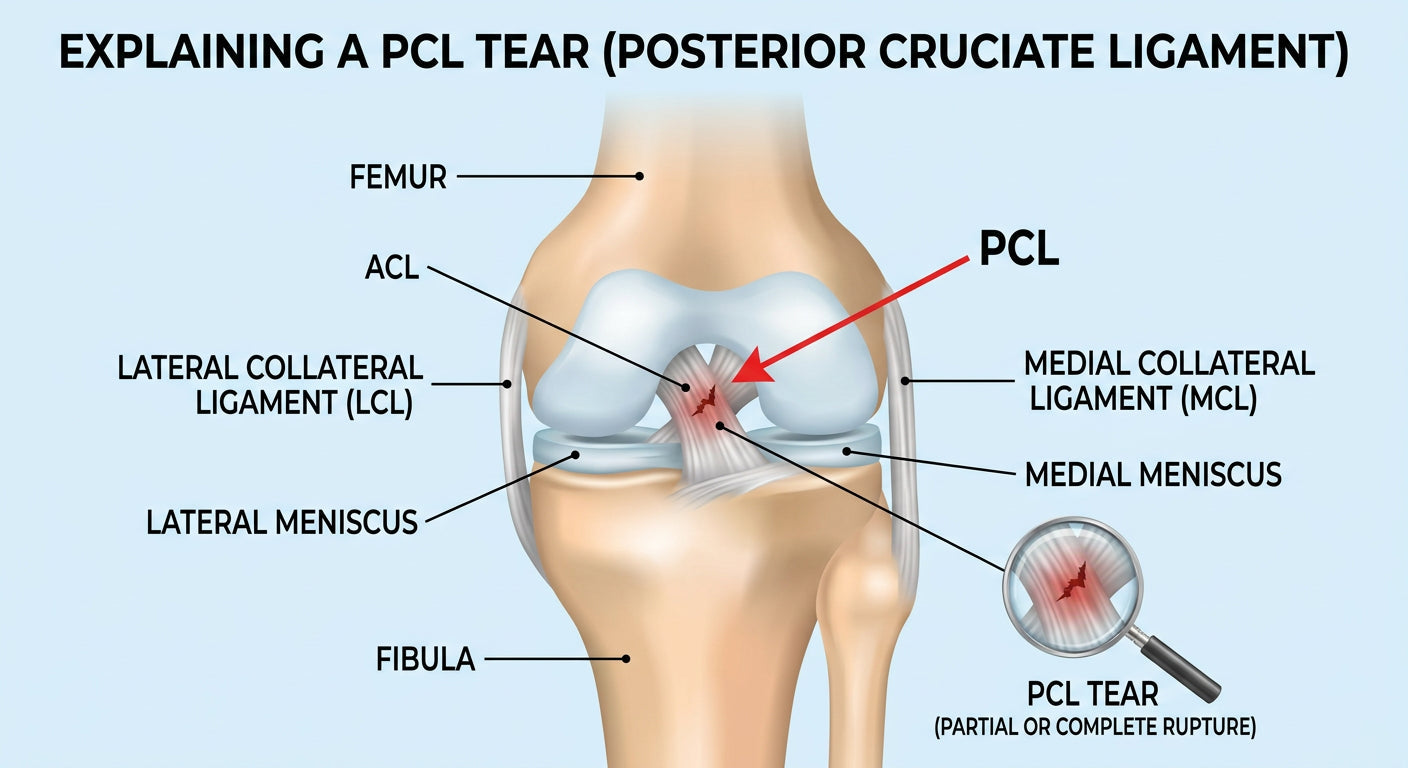
A PCL tear, or a tear of the posterior cruciate ligament, is a significant injury to the knee that can impact stability and function. While less common than an ACL (anterior cruciate ligament) tear, this injury is crucial to understand, along with its causes and the path to recovery. The PCL is one of the four major ligaments in your knee, working to connect the thigh bone (femur) to the shin bone (tibia) and preventing the shin bone from sliding too far backward. A healthy PCL is vital for the knee's natural motion and overall stability, particularly during knee bending.
The Role of the PCL in Knee Stability
Your knee joint is a complex structure supported by various ligaments, tendons, and muscles. The PCL is located at the back of the knee and is thicker and stronger than the ACL. Its primary function is to resist posterior translation of the tibia relative to the femur, essentially preventing your shin bone from slipping backward too far. This makes it a crucial stabilizer, especially during activities that involve bending the knee or absorbing impact.
Common Causes of a PCL Tear
- Dashboard Injury: This is a classic cause, often seen in car accidents, where the shin hits the dashboard, forcing the tibia backward.
- Falls or Sports Impacts: A direct blow to the front of the knee during a fall or contact sports, such as football, can lead to a tear. For athletes, understanding how important a knee brace american football can be for preventing injuries is essential.
- Hyperextension: Extreme hyperextension of the knee can sometimes stretch or tear the PCL, though this mechanism more commonly affects other knee ligaments or structures.
- Twisting Injuries: While less common for PCL, severe twisting or rotation of the knee can also contribute to a PCL injury, often in conjunction with other ligament damage.
Recognizing the Symptoms of a PCL Tear
- Pain: Immediately after the injury, you'll likely experience pain behind the knee, ranging from mild to severe, which can make activities difficult.
- Swelling: Swelling around the knee usually develops within hours of the injury. If you're wondering how to get rid of fluid on the knee, seeking advice from a healthcare professional is key.
- Instability: A feeling that your knee is "giving way" or unstable, especially when walking or putting weight on it. You might notice difficulty walking, or even wonder if will walking on a torn meniscus make it worse if other structures are also affected.
- Difficulty Walking or Bearing Weight: Due to pain and instability, putting full weight on the injured leg can be challenging.
- Limited Range of Motion: Stiffness and difficulty fully bending or straightening the knee.
Diagnosing a PCL Tear
A healthcare professional will typically diagnose a PCL tear through a combination of physical examination and imaging. They will assess your knee for tenderness, swelling, and stability. A specific test called the "posterior drawer test" helps evaluate PCL integrity. Imaging techniques such as X-rays (to rule out fractures) and MRI scans (to visualize soft tissues, such as ligaments) are often used to confirm the diagnosis and assess the severity of the tear.

Treatment Options for a PCL Tear
Treatment for a PCL tear depends on its severity (graded I, II, or III) and whether other knee ligaments are also injured.
Conservative Treatment (Non-Surgical)
- RICE Method: Rest, Ice, Compression, and Elevation are critical in the initial stages to manage pain and swelling.
- Physical Therapy: A structured rehabilitation program is essential. This will include exercises to regain the full range of motion, strengthen the quadriceps, hamstrings, and calf muscles, and improve balance and proprioception.
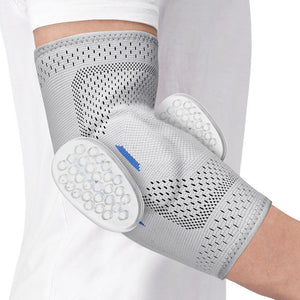
- Knee Bracing: Wearing a supportive PCL knee brace or a specialized PCL brace can help stabilize the knee during healing and activity. A quality knee brace can also help manage pain while healing.
- Activity Modification: Avoiding activities that put stress on the PCL and gradually returning to sports or demanding tasks.
Surgical Treatment
Surgery is typically reserved for Grade III PCL tears, especially if there are multiple ligament injuries or if conservative treatment fails to restore stability.
- PCL Reconstruction: The most common surgical approach involves reconstructing the PCL using a graft, often from another tendon in your body (autograft) or from a donor (allograft). The goal is to recreate the PCL and restore normal knee mechanics.
- Rehabilitation Post-Surgery: Following surgery, an extensive physical therapy program is crucial. This is a longer process than non-surgical recovery, focusing on protecting the new graft while gradually restoring strength, mobility, and function.
Recovery and Rehabilitation
- Reduce swelling and pain.
- Restore range of motion.
- Strengthen the muscles around the knee, particularly the quadriceps, which play a crucial role in compensating for PCL instability.
- Improve balance and coordination.
- Gradually return to daily activities and sports. A knee stabilizer may be recommended to aid this process.
It's vital to follow your rehabilitation plan diligently and avoid rushing your return to high-impact activities to prevent re-injury or chronic instability.
Living with a PCL Tear
With proper treatment and rehabilitation, many people with PCL tears can return to their previous activity levels. However, some individuals may experience residual laxity or instability, particularly with more severe tears. It's important to continue with strengthening exercises and be mindful of activities that could stress the knee.
-
Veröffentlicht in
Knee Injuries