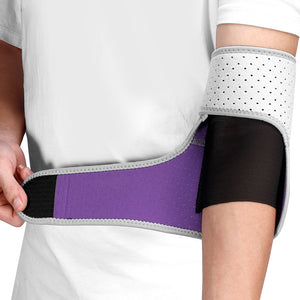
Peroneal Tendonitis Wrap
- Black
- Grey
- Blue
- Pink
- Purple
- Black
- Red
- Blue
- Orange
- Black
- Orange
- Green
- Pink
What Should I Wear for Peroneal Tendonitis?
Peroneal tendonitis is a frustrating and painful condition characterized by the inflammation of the peroneal tendons, which run vertically along the outer side of the lower leg and ankle. If you are dealing with lateral ankle pain, swelling, and discomfort during everyday activities like walking, running, or standing for long periods, your wardrobe choices matter more than you might realize. Managing peroneal tendonitis at home involves a comprehensive approach, and wearing the right gear can make a massive difference in your daily comfort and overall recovery timeline.
The Foundation: Best Shoes for Peroneal Tendonitis
It is absolutely crucial to choose supportive footwear when dealing with any lower-leg inflammation. The shoes you wear determine how your body weight is distributed across your feet, directly affecting the strain on your injured tendons.
When searching for the best shoes for lateral ankle pain, prioritize designs that provide excellent arch support and generous cushioning. A supportive arch helps prevent excessive foot rolling (pronation or supination), which can quickly relieve stress on the peroneal tendons and reduce the risk of further aggravating the condition. Look for sneakers with shock-absorbing midsoles and a stable heel counter to keep your foot locked in a neutral position.
Conversely, you must avoid high heels, completely flat sandals, or minimalist shoes with zero arch support. These types of footwear increase the tension on the outer foot and can severely exacerbate the symptoms of peroneal tendonitis. If you have a favorite pair of shoes that lacks proper interior support, consider adding high-quality orthotic inserts designed specifically for heel stability and tendon relief.
Targeted Compression and Stability Gear
In addition to appropriate daily footwear, integrating compression therapy into your routine can be highly beneficial for reducing lateral ankle swelling. A specialized peroneal tendonitis wrap offers consistent compression and much-needed structural support to the affected area.
When shopping for an ankle compression sleeve or wrap, look for a product that is fully adjustable, highly breathable, and manufactured from advanced fabrics that wick moisture away from your skin. Moisture-wicking properties help keep the material hygienic and comfortable throughout the day, whether you are resting on the couch, running errands, or gently re-engaging in light physical activities.
Proper Ankle Wrapping Techniques
If you are using an adjustable wrap or elastic bandage, application technique is critical. It is important to secure the material snugly, but not so tightly that it causes throbbing pain, numbness, or restricts blood flow to your toes.
Proper wrapping techniques generally involve starting just above the ankle joint and gradually working your way down toward the heel and midfoot in a figure-eight pattern. Ensure you cover the entire peroneal tendon area—running along the outside of the ankle bone—while still allowing for a natural, healthy range of motion in the foot. This careful combination of localized support and joint flexibility helps you manage daily symptoms much more effectively.
Choosing the Right Socks and Insoles
Your socks serve as the primary barrier between your sensitive skin and your footwear or compression gear. Wearing athletic socks that provide extra padding around the ankle and heel can be incredibly helpful. Thick, cushioned socks absorb micro-impacts from walking and drastically reduce friction against any stabilization gear you might be wearing.
If you struggle with morning heel pain or severe stiffness, you might also want to look into mild compression socks. While they do not replace a structured brace, a good pair of knee-high compression socks can promote better blood circulation and help flush out the pooling fluids that cause ankle edema (swelling) overnight.
Clothing Options for Unrestricted Movement
When dealing with a lower-extremity injury, your clothing choices should never hinder your recovery. Opt for loose-fitting pants, athletic joggers, or shorts that allow you to move freely without physically constraining your lower leg.
Wearing restrictive, tight-fitting jeans can make it incredibly difficult to put on or adjust your ankle support throughout the day. Loose athletic apparel not only accommodates the extra bulk of stabilization gear but also makes it significantly easier to access your ankle when it is time to apply ice packs, use topical pain relief creams, or perform your daily physical therapy stretches.
Weather-Appropriate Gear for Tendon Healing
Seasonal changes can heavily influence joint stiffness and tendon pain. In colder weather, or during the deepest phases of your injury recovery, consider wearing insulated ankle supports or specialized thermal braces designed exclusively for tendon rehabilitation.
Cold temperatures can cause soft tissues to stiffen, increasing the likelihood of micro-tears during movement. Wearing gear made from materials that retain natural body heat can be particularly beneficial for injury recovery. By trapping warmth around the joint, these materials naturally increase localized blood flow to the outer ankle, delivering essential nutrients to the damaged tissue and potentially speeding up the biological healing process.
Dressing for a Faster Recovery
Managing lateral foot pain involves much more than simply pausing your workout routine and attending physical therapy; what you choose to wear every single day plays a pivotal role in your rehabilitation. By prioritizing highly supportive footwear, utilizing the right compression accessories, and choosing clothing that promotes physical comfort, you create the optimal environment for your body to heal. Taking these proactive wardrobe steps will not only accelerate your recovery process but will also empower you to return to your favorite sports, hobbies, and daily activities with complete confidence and minimal pain.