Fluid in Knee
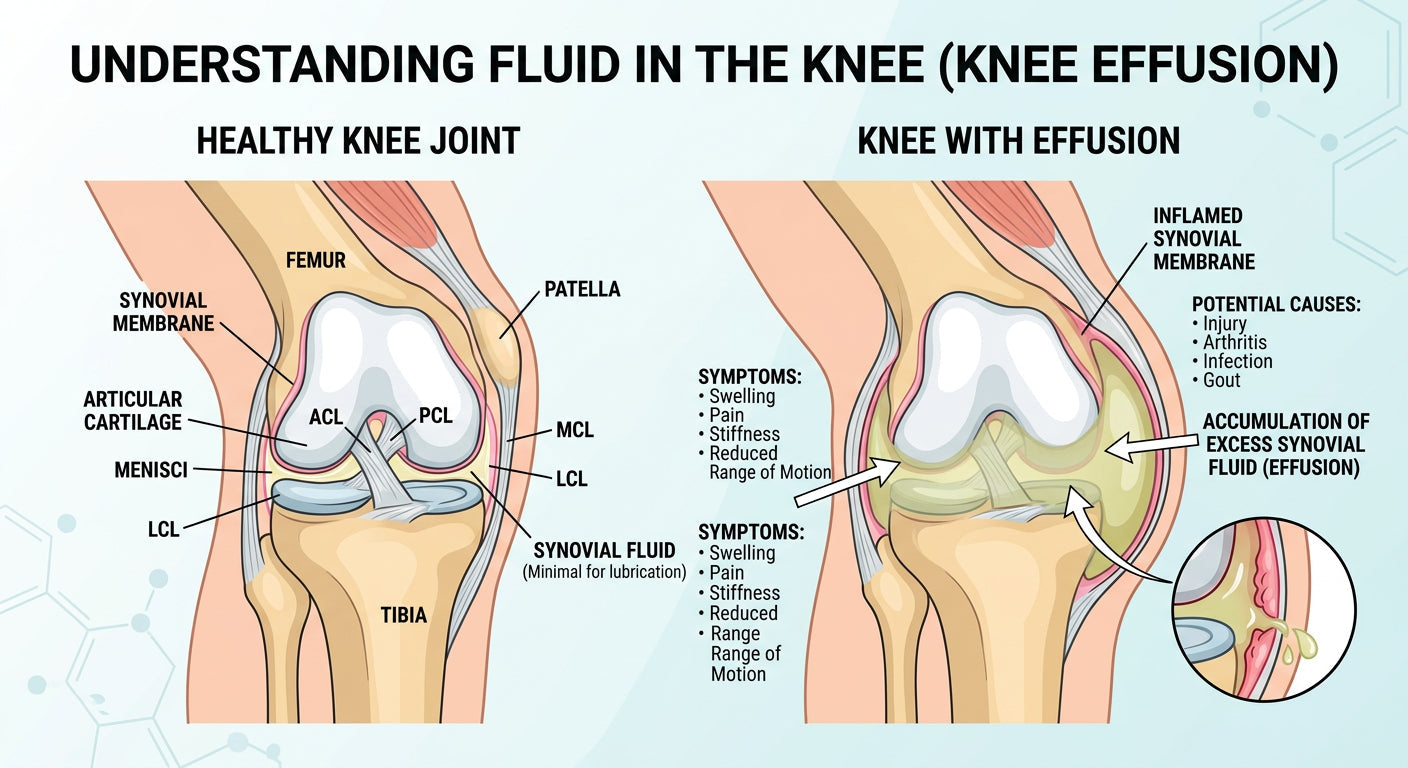
Experiencing discomfort or swelling around your knee? You might be dealing with what's commonly known as "fluid in the knee," or medically termed knee effusion. This condition occurs when excess fluid accumulates inside or around the knee joint. It's not a condition in itself, but rather a symptom, indicating an underlying issue that needs attention.
Fluid in the knee can manifest in various ways, from a subtle puffiness to significant swelling that limits your movement. The knee joint, the largest and most complex joint in the body, relies on a delicate balance of structures and fluids to function smoothly. When this balance is disrupted, fluid can build up, leading to pain and stiffness.
What Causes Fluid in the Knee?
Injuries
Traumatic events or repetitive stress can lead to fluid buildup as the body's natural response to protect and heal the injured area. Common injuries include:
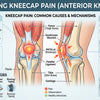
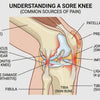
- Ligament Tears: Tears in ligaments, such as the anterior cruciate ligament (ACL), can cause immediate swelling due to bleeding into the joint.
- Meniscus Tears: The meniscus acts as a shock absorber in your knee. A torn meniscus can lead to irritation and fluid accumulation. In some cases, a knee brace for meniscus tear might be recommended to provide support during recovery.
- Fractures: Breaks in the bones around the knee can cause significant swelling and pain.
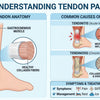
- Overuse Injuries: Conditions such as bursitis (inflammation of the small sacs that cushion the joint) or tendinitis (inflammation of the tendons) can also contribute to fluid accumulation.
Medical Conditions
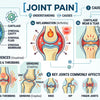
- Arthritis: Both osteoarthritis (wear-and-tear arthritis) and rheumatoid arthritis (an autoimmune inflammatory condition) can cause chronic inflammation and fluid buildup.
- Infections: Bacterial or viral infections of the joint, known as septic arthritis, are serious and can cause rapid swelling, pain, and fever.
- Gout or Pseudogout: These conditions involve crystals forming in the joint, causing intense pain and inflammation.
- Cysts: A Baker's cyst, for example, is a fluid-filled sac that forms at the back of the knee, often as a result of other knee problems.
Recognizing the Symptoms
- Swelling: The most obvious sign is visible puffiness or enlargement of the knee.
- Pain: Ranging from mild aches to severe, throbbing pain, often worsening with movement or weight-bearing.
- Stiffness: Difficulty bending or straightening the knee, leading to a restricted range of motion.
- Warmth: The affected knee may feel noticeably warmer to the touch than the unaffected knee.
- Redness: In cases of infection or severe inflammation, the skin around the knee might appear red.
- Burning Sensation: Sometimes, a knee swelling burning sensation can accompany the fluid accumulation, indicating significant irritation or inflammation.

Diagnosis
A healthcare provider will typically begin with a physical examination of your knee, assessing the range of motion, swelling, and tenderness. They may also recommend diagnostic tests, such as:
- Imaging Tests: X-rays can rule out fractures, while an MRI (Magnetic Resonance Imaging) or an ultrasound can provide detailed images of soft tissues such as ligaments, tendons, and cartilage.
- Fluid Aspiration (Arthrocentesis): In this procedure, a small amount of fluid is removed from the knee joint with a needle. Analyzing this fluid can help identify the cause, such as infection, gout, or bleeding.
Treatment Options
Treatment for fluid in the knee focuses on addressing the underlying cause and alleviating symptoms.
Home Management
For mild cases, or as an initial step, several strategies can help:
-
RICE Method:
- Rest: Avoid activities that aggravate your knee.
- Ice: Apply ice packs to the affected area for 15-20 minutes at a time, several times a day, to reduce swelling and pain.
- Compression: Use a gentle compression wrap or sleeve to help limit fluid buildup.
- Elevation: Keep your knee elevated above your heart to encourage fluid drainage.
- Over-the-Counter Pain Relief: Non-prescription pain relievers can help manage discomfort.
- Gentle Movement: Once initial pain subsides, gentle movement and stretching, as advised by a professional, can prevent stiffness. Understanding how to effectively get rid of fluid in the knee often involves a combination of these home care methods.
Professional Interventions
If home remedies aren't enough, a healthcare provider may suggest:
- Fluid Aspiration: Draining the excess fluid can relieve pressure and pain.
- Medications: Depending on the cause, anti-inflammatory drugs, antibiotics (for infections), or corticosteroid injections (to reduce inflammation) may be prescribed.
- Physical Therapy: A physical therapist can guide you through exercises to strengthen the muscles around your knee, improve flexibility, and restore proper function.
- Supportive Devices: A knee brace for pain can provide external support, help stabilize the joint, and reduce discomfort during movement or activity.
- Lifestyle Adjustments: For individuals carrying excess weight, losing weight to ease knee pain can significantly reduce stress on the knee joint and help manage fluid accumulation.
Understanding "Water on the Knee"
The term "water on the knee" is a common, non-medical phrase used to describe fluid in the knee. While it might sound like actual water, it refers to the accumulation of various fluids, such as synovial fluid (the natural lubricant of the joint), blood, or inflammatory exudates, depending on the underlying cause.
Prevention
- Maintain a Healthy Weight: Excess weight puts significant stress on your knee joints.
- Stay Active: Engage in low-impact exercises such as swimming, cycling, or walking to strengthen your leg muscles without overstressing your knees.
- Proper Warm-up and Cool-down: Always prepare your body for physical activity and allow it to recover afterward.
- Listen to Your Body: Avoid pushing through pain, especially during exercise or heavy lifting.
- Use Proper Form: When exercising or playing sports, ensure you use proper techniques to minimize the risk of injury.
Supporting your knees during activities and being mindful of your body's signals are key. A good knee stabilizer can also offer extra support when needed.
-
Veröffentlicht in
Knee Injuries