Kneecap Pain
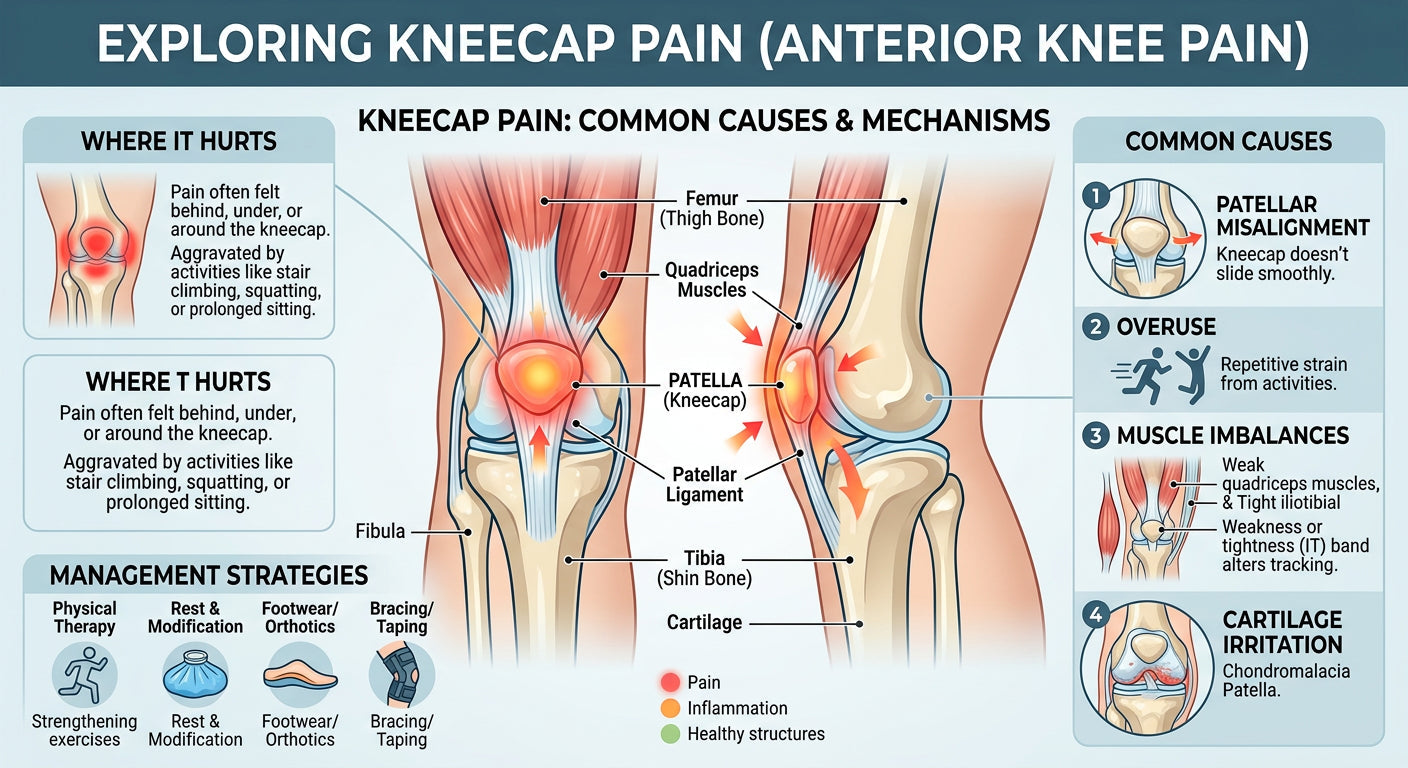
Kneecap pain, medically known as patellofemoral pain, is a common ailment that can significantly impact daily activities and athletic performance. This discomfort often arises from issues related to the kneecap (patella) and the groove it sits in on the thigh bone (femur). Whether you're an athlete, highly active, or simply experiencing occasional discomfort, understanding the root causes and effective solutions for kneecap pain is crucial to long-term well-being.
The kneecap plays a vital role in knee function. It acts like a pulley, increasing the leverage of the thigh muscles (quadriceps) as they straighten the leg. For the knee to function smoothly, the kneecap must glide properly within its femoral groove. When this alignment or movement is disrupted, pressure and irritation can build up, leading to pain. Many factors contribute to knee pain, from overuse and muscle imbalances to structural issues. Identifying these factors is the first step toward effective management and relief.

Understanding the Anatomy and Common Causes of Kneecap Pain
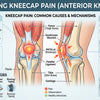
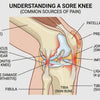
To truly grasp kneecap pain, it helps to understand a little about how your knee works. The patella is a small, triangular bone that sits at the front of your knee joint. It's embedded within the quadriceps tendon, connecting your thigh muscles to your shin bone. The patella stabilizes the knee and protects the joint. Tendons and ligaments are essential for keeping the kneecap aligned. If you're curious about what holds the kneecap in place, it's a complex system of muscles, tendons, and ligaments working together.
Several conditions can lead to kneecap pain:
- Patellofemoral Pain Syndrome (PFPS): Often referred to as "runner's knee" or "jumper's knee," this is the most common cause of kneecap pain. It typically results from overuse, muscle imbalances, or improper biomechanics, causing the kneecap to track incorrectly in its groove.
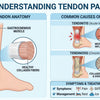
- Patellar Tendinitis: Inflammation of the patellar tendon, which connects the kneecap to the shin bone. This is common in activities involving repetitive jumping or running.
- Chondromalacia Patellae: This condition refers to the softening and breakdown of the cartilage on the underside of the kneecap, often resulting from long-term misalignment or trauma.
- Kneecap Dislocation or Subluxation: A dislocation occurs when the kneecap completely moves out of its groove. A subluxation is a partial dislocation. These often occur from a direct blow or a sudden twisting motion.
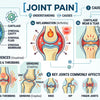
- Arthritis: Degenerative changes in the knee joint, including osteoarthritis, can also cause kneecap pain, especially in older individuals.
Recognizing the Symptoms
Kneecap pain can manifest in various ways, but common symptoms include:
- A dull, aching pain around or behind the kneecap.
- Pain that worsens with activities like climbing stairs, running, squatting, or prolonged sitting with bent knees.
- A grinding, popping, or clicking sensation when bending or straightening the knee.
- Mild swelling around the kneecap.
- Tenderness to the touch around the edges of the kneecap.
Effective Treatment Strategies for Kneecap Pain
1. Rest and Activity Modification
Giving your knee a break from activities that aggravate the pain is crucial. This doesn't necessarily mean complete inactivity; rather, it means modifying or temporarily stopping high-impact activities. For example, if you're experiencing pain while running, try cycling or swimming to maintain fitness without stressing the knee.
2. Ice and Compression
Applying ice packs to the affected area for 15-20 minutes several times a day can help reduce pain and swelling. Compression with an elastic bandage can also help reduce swelling.
3. Physical Therapy and Exercise
A tailored exercise program is often the cornerstone of recovery. A physical therapist can help identify muscle imbalances and weaknesses contributing to your pain. Exercises often focus on:
- Strengthening: Targeting the quadriceps (especially the inner quad muscle), glutes, and hip muscles.
- Stretching: Improving flexibility in tight hamstrings, quadriceps, and IT band.
- Proprioception: Exercises to improve balance and coordination, which help in better knee control.
4. Supportive Devices
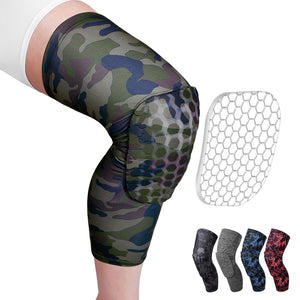
Various supportive devices can help stabilize the kneecap and reduce pain during activity. A specialized patellofemoral pain syndrome brace can provide compression and support, helping the kneecap track correctly. Many individuals also find relief with a patellar tendon strap, particularly for conditions like patellar tendinitis, as it applies pressure to the tendon and distributes stress. For those seeking comprehensive support, finding the best knee brace for patellofemoral pain syndrome is key. Additionally, a sports knee strap can offer targeted relief during physical activity. If you're looking for general knee support for pain relief, a wide range of options exists to suit different needs and activity levels.
5. Taping Techniques
Specialized athletic taping can help improve kneecap alignment and reduce pain. This is often taught by a physical therapist. Learning about strapping knees for running can be beneficial for runners who experience kneecap pain.
6. Over-the-Counter Pain Relievers
Non-prescription pain relievers can help manage pain and inflammation. Always follow dosage instructions carefully.
7. Injections
In some cases, your doctor might suggest corticosteroid injections to reduce inflammation, though these are typically reserved for persistent pain that hasn't responded to other treatments.
8. Surgical Intervention
Surgery for kneecap pain is rare and usually considered only after extensive conservative treatments have failed, or in cases of severe structural issues like recurrent dislocations. Procedures may involve realigning the kneecap or smoothing damaged cartilage.
Prevention of Kneecap Pain
Preventing kneecap pain largely involves maintaining good biomechanics and strength:
- Warm up properly: Always warm up before exercise and cool down afterward.
- Strengthen Supporting Muscles: Focus on strengthening your quadriceps, hamstrings, glutes, and core muscles to ensure balanced support for your knee.
- Stretch Regularly: Keep your thigh and calf muscles flexible.
- Gradual Increase in Activity: When starting a new exercise or increasing intensity, do so gradually to allow your body to adapt.
- Appropriate Footwear: Wear shoes that provide good support and are suitable for your activity. Replace worn-out athletic shoes regularly.
- Listen to Your Body: Don't push through pain. If an activity causes discomfort, modify it or take a break.
-
Veröffentlicht in
Knee Injuries