Tendon Pain
Tendon pain is a common ailment that can significantly impact daily activities and athletic performance. Tendons, the strong, fibrous cords that connect muscle to bone, play a crucial role in movement. When these vital tissues become irritated, inflamed, or damaged, they can cause discomfort ranging from a dull ache to sharp, debilitating pain.
What Are Tendons?
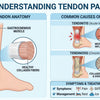
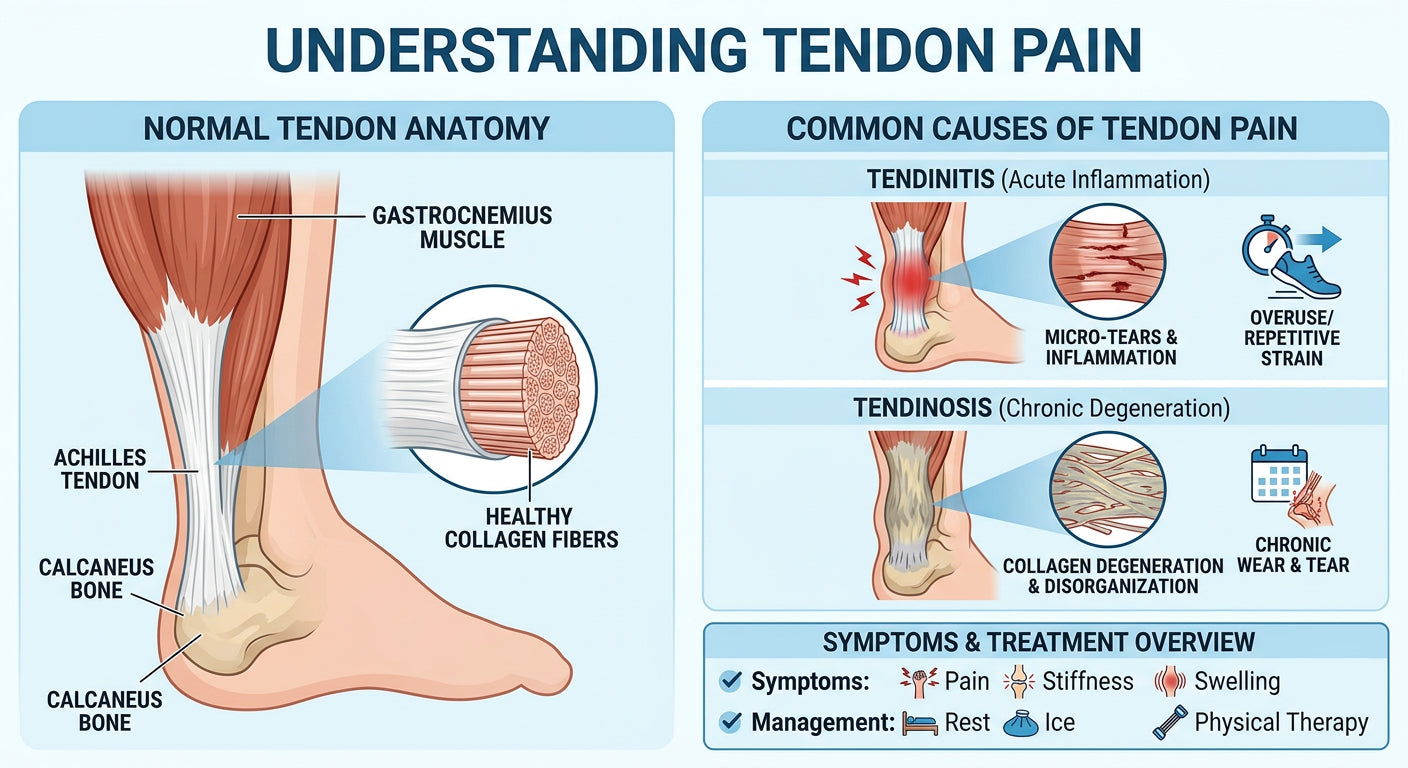
Tendons are essentially the "ropes" of your musculoskeletal system. Made primarily of collagen, they are designed to transmit the force generated by your muscles to your bones, allowing for movement. From the large Achilles tendon that connects your calf muscle to your heel bone, enabling walking and running, to the smaller tendons in your hands that allow for fine motor skills, these structures are essential for virtually every physical action.
Common Causes of Tendon Pain
- Overuse: This is perhaps the most frequent cause. Engaging in repetitive movements, especially without adequate rest or gradual progression, can stress tendons beyond their capacity. Athletes, manual laborers, and even individuals with desk jobs who perform repetitive tasks (such as typing) are susceptible.
- Sudden Increase in Activity: Jumping into a new exercise routine or significantly increasing intensity/duration too quickly can overload tendons, leading to injury.
- Improper Technique: Poor biomechanics or incorrect form during sports or exercises can place undue stress on specific tendons.
- Aging: As we age, tendons can naturally lose some of their elasticity and become more susceptible to injury.
- Direct Impact or Trauma: Although less common, a direct blow to a tendon can cause acute injury.
- Lack of Flexibility or Strength Imbalances: Inadequate stretching or muscle imbalances can force tendons to work harder or in compromised positions.
Types of Tendon Conditions
- Tendinopathy: The overarching term for any tendon issue, whether it's inflammation, degeneration, or a tear. It acknowledges that not all tendon pain is purely inflammatory.
- Tendinitis (or Tendonitis): Characterized by inflammation of a tendon, typically in response to acute overload. Symptoms often appear suddenly. Common areas include the shoulder (rotator cuff), elbow (tennis or golfer's elbow), knee (jumper's knee), and Achilles.
- Tendinosis: A more chronic condition involving the degeneration of collagen fibers in the tendon, often without significant inflammation. It develops over time due to repetitive strain and can weaken the tendon.
- Tendon Tears: These can be partial, where some fibers are torn, or complete, where the tendon is fully ruptured. Tears usually result from acute, forceful stress and often cause sudden, sharp pain and functional loss.
Recognizing the Symptoms
- Aching or stiffness in the affected area, especially during or after activity.
- Pain that worsens with movement or specific activities.
- Tenderness to the touch along the tendon.
- Mild swelling, warmth, or redness (more common with tendinitis).
- A grating or crackling sensation when the tendon moves.
- Weakness in the affected limb.

When to Seek Professional Help
While mild tendon pain might resolve with at-home care, it's crucial to consult a healthcare professional if:
- The pain is severe, sudden, or debilitating.
- You cannot move the affected limb or joint.
- There's significant swelling or a visible deformity.
- The pain doesn't improve after a few days of rest and self-care.
- You hear a "pop" or "snap" at the time of injury.
Treatment Options for Tendon Pain
Effective management of tendon pain often involves a multi-faceted approach aimed at reducing pain, promoting healing, and restoring function. Initial Management: Rest, Ice, Compression, and Elevation (R.I.C.E.)
Activity Modification and Physical Therapy
One of the most critical steps is to identify and modify the activities causing the pain. A physical therapist can provide tailored exercises to strengthen the surrounding muscles, improve flexibility, and correct biomechanical issues. They can also teach you proper techniques for sports or daily activities to prevent re-injury. Focused eccentric exercises, which involve lengthening the muscle under tension, are often very effective for tendinopathies.
Supportive Gear
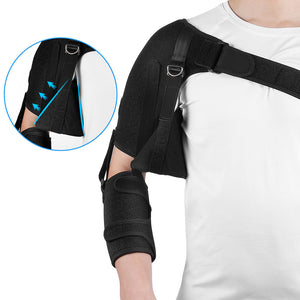
For some tendon conditions, supportive devices can help reduce stress on the affected tendon and aid healing. For instance, individuals experiencing pain around the kneecap might find relief with a specialized patella knee brace. These devices can provide compression and support, allowing the tendon to heal without constant irritation. If you're looking for the best knee brace for patellar tendonitis, choose one that offers targeted support. Similarly, a patellar tendon strap can alleviate pressure on the patellar tendon, common in conditions like jumper's knee. Many people wonder, do knee braces help with knee pain? Often, the answer is yes: it provides stability and reduces strain. Additionally, a sports knee strap for patellar tendon protection can be beneficial during activity. Various knee supports for pain are available, designed to address different types of discomfort and aid in recovery.
Medical Interventions
In cases where conservative treatments are insufficient, a healthcare professional might suggest:
- Injections: Corticosteroid injections can reduce inflammation, but are generally used cautiously due to potential side effects with long-term use. Other options like platelet-rich plasma (PRP) or prolotherapy may be considered for chronic tendinopathy to stimulate healing.
- Surgery: This is typically a last resort, considered for severe, chronic cases that haven't responded to other treatments, or for complete tendon ruptures. Surgical procedures aim to repair tears, remove damaged tissue, or relieve pressure on the tendon.
Preventing Tendon Pain
- Warm Up Properly: Before any physical activity, perform light cardio and dynamic stretches to warm up your muscles and tendons.
- Gradual Progression: Increase the intensity, duration, or frequency of your activities gradually. Avoid sudden spikes in training load.
- Use Proper Technique: Learn and maintain correct form for your sport or exercise. Consider coaching or professional guidance.
- Stretch and Maintain Flexibility: Regular stretching can improve tendon elasticity and range of motion.
- Strengthen Supporting Muscles: Address muscle imbalances through targeted strength training.
- Listen to Your Body: Don't ignore minor aches. Rest when needed and modify activities if you feel pain.
- Proper Footwear and Equipment: Ensure your shoes are supportive and your equipment is appropriate for your activity.
Understanding the fastest way to heal wrist tendonitis or any other area involves a combination of these principles: prompt rest, appropriate treatment, and a gradual return to activity.
-
Veröffentlicht in
Knee Injuries