Thumb CMC Joint Arthritis
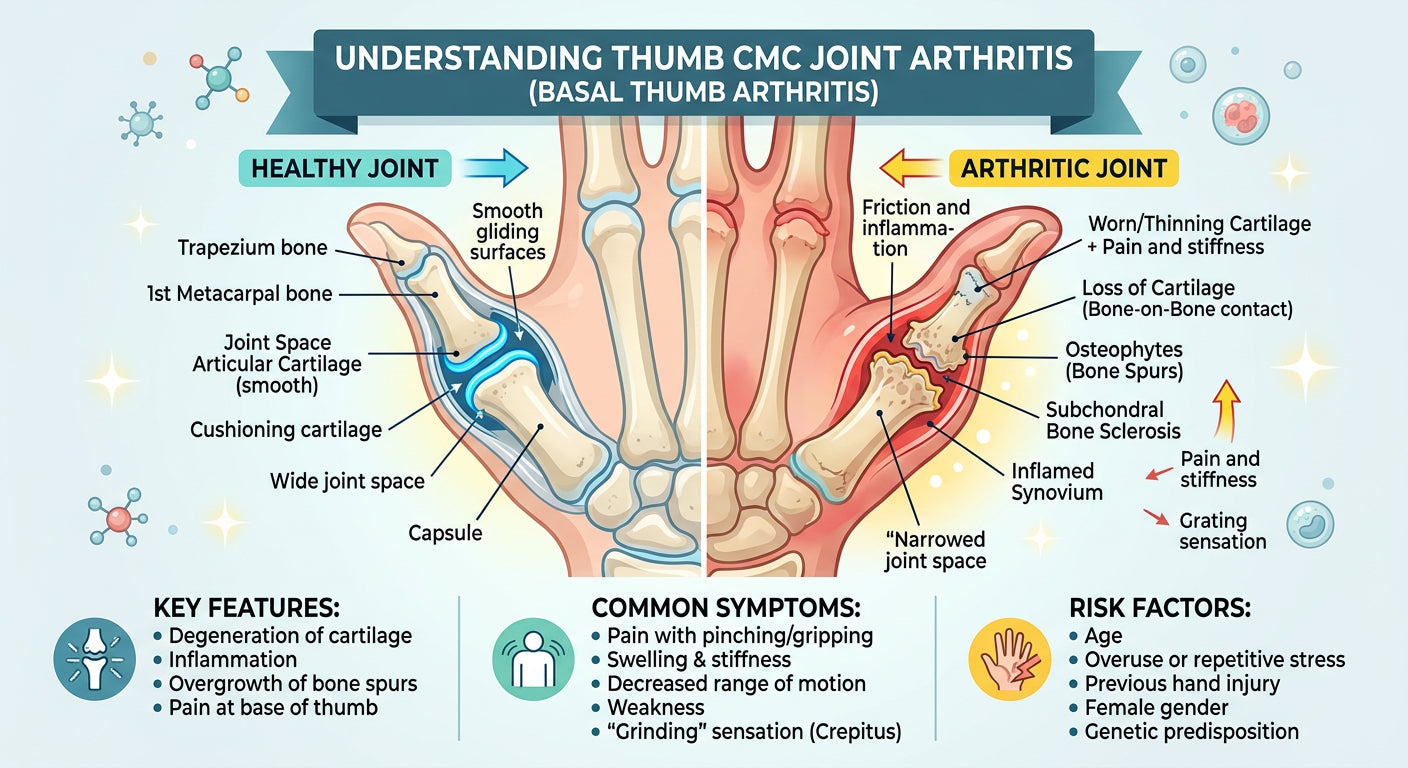
Thumb carpometacarpal (CMC) joint arthritis, also known as basal joint arthritis, is a common condition that affects the joint at the base of your thumb. This crucial joint allows for the wide range of motion essential for daily tasks, from grasping objects to pinching. When arthritis develops in this area, it can cause significant pain, stiffness, and weakness, severely affecting hand function and quality of life.
The CMC joint is formed by the trapezium bone in the wrist and the first metacarpal bone of the thumb. It's a saddle joint, designed for flexibility and strength. Over time, the smooth cartilage that cushions the ends of these bones can wear down, leading to bone-on-bone friction. This process is characteristic of osteoarthritis, the most common type of arthritis affecting the thumb CMC joint.
Causes of Thumb CMC Joint Arthritis
- Age: It's more common in individuals over 40, as cartilage naturally degenerates with age.
- Gender: Women are more susceptible to CMC joint arthritis than men, often starting around menopause.
- Genetics: A family history of osteoarthritis can increase your risk.
- Previous Injuries: Fractures, dislocations, or sprains to the thumb or wrist can predispose the joint to early wear and tear.
- Repetitive Stress: Activities involving repetitive gripping, pinching, or twisting of the thumb can accelerate cartilage breakdown.
Recognizing the Symptoms
- Pain: The most prevalent symptom, typically felt at the base of the thumb. It often intensifies during activities such as gripping, pinching, twisting, or opening jars. You might even wonder why does my thumb hurt when I press on it.
- Stiffness: The joint may feel stiff, especially in the morning or after periods of inactivity.
- Swelling and Tenderness: The base of the thumb may appear swollen and be tender to the touch.
- Weakness: Difficulty with tasks requiring a strong grip or pinch, such as turning a key or holding a pen.
- Decreased Range of Motion: Over time, the ability to fully move the thumb, particularly to spread it away from the palm, may diminish.
- Grinding Sensation: A grinding, clicking, or popping sensation (crepitus) may be felt or heard when moving the thumb.
- Deformity: In advanced stages, the joint at the base of the thumb may look enlarged or "squared off."
Diagnosis
Diagnosing thumb CMC joint arthritis typically involves a thorough physical examination and imaging tests. A healthcare professional will assess your thumb's range of motion, strength, and tenderness. X-rays are commonly used to visualize the joint space, identify cartilage loss, and detect any bone spurs or other signs of arthritis.
Navigating Treatment Options
Conservative Management
- Rest and Activity Modification: Avoiding activities that aggravate the thumb joint can significantly reduce pain. Modifying how you perform daily tasks can also help.
- Occupational and Physical Therapy: Therapists can teach you exercises to strengthen the muscles around the thumb, improve joint stability, and increase range of motion. They can also provide guidance on joint protection techniques.
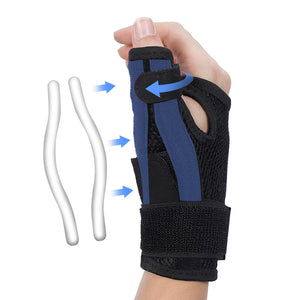
- Supports and Braces: Wearing a special support or spica splint can stabilize the CMC joint, reduce pain, and allow the joint to rest. Various thumb guard braces are available, some designed to support the thumb while maintaining dexterity. Options like those from Fivali can offer targeted support.
- Medication: Over-the-counter pain relievers, such as ibuprofen or naproxen, can help manage pain and inflammation. In some cases, prescription anti-inflammatory drugs may be recommended.
- Injections: Corticosteroid injections directly into the CMC joint can provide temporary pain relief and reduce inflammation. These are typically used when oral medications and bracing aren't sufficient.
Advanced Treatments
When conservative measures fail to provide adequate relief, or if the arthritis progresses to a severe stage, further interventions may be considered. When significant cartilage loss occurs, leading to bone-on-bone arthritis, more aggressive treatments might be necessary.
-
Surgical Interventions: Several surgical procedures can be performed to address severe arthritis of the thumb CMC joint. These may include:
- Trapeziectomy: This involves removing the trapezium bone, which is often the primary source of pain.
- Ligament Reconstruction and Tendon Interposition (LRTI): After removing the trapezium, a tendon graft is often used to reconstruct the ligament and cushion the space, preventing the bones from rubbing together.
- Fusion (Arthrodesis): This procedure permanently fuses the bones of the CMC joint, eliminating pain by preventing movement, though it significantly limits mobility.
- Joint Replacement (Arthroplasty): In some cases, the damaged joint surfaces can be replaced with artificial implants.
Preventative Strategies and Long-Term Management
- Ergonomics: Adjusting your grip on tools, utensils, and devices to reduce stress on your thumb joint.
- Regular Exercise: Maintaining overall hand strength and flexibility can help support the joint.
- Supportive Devices: Using adaptive equipment for daily tasks can minimize strain.
- Early Intervention: Promptly addressing thumb injuries, such as learning how to wrap a sprained thumb, can prevent long-term complications.
- Understanding Supports: Knowing the difference between wrist braces compared to splints can help you choose the right support for your needs, whether it's a thumb-specific brace or a broader wrist brace for pain that also supports the thumb.
-
Veröffentlicht in
Wrist Injury