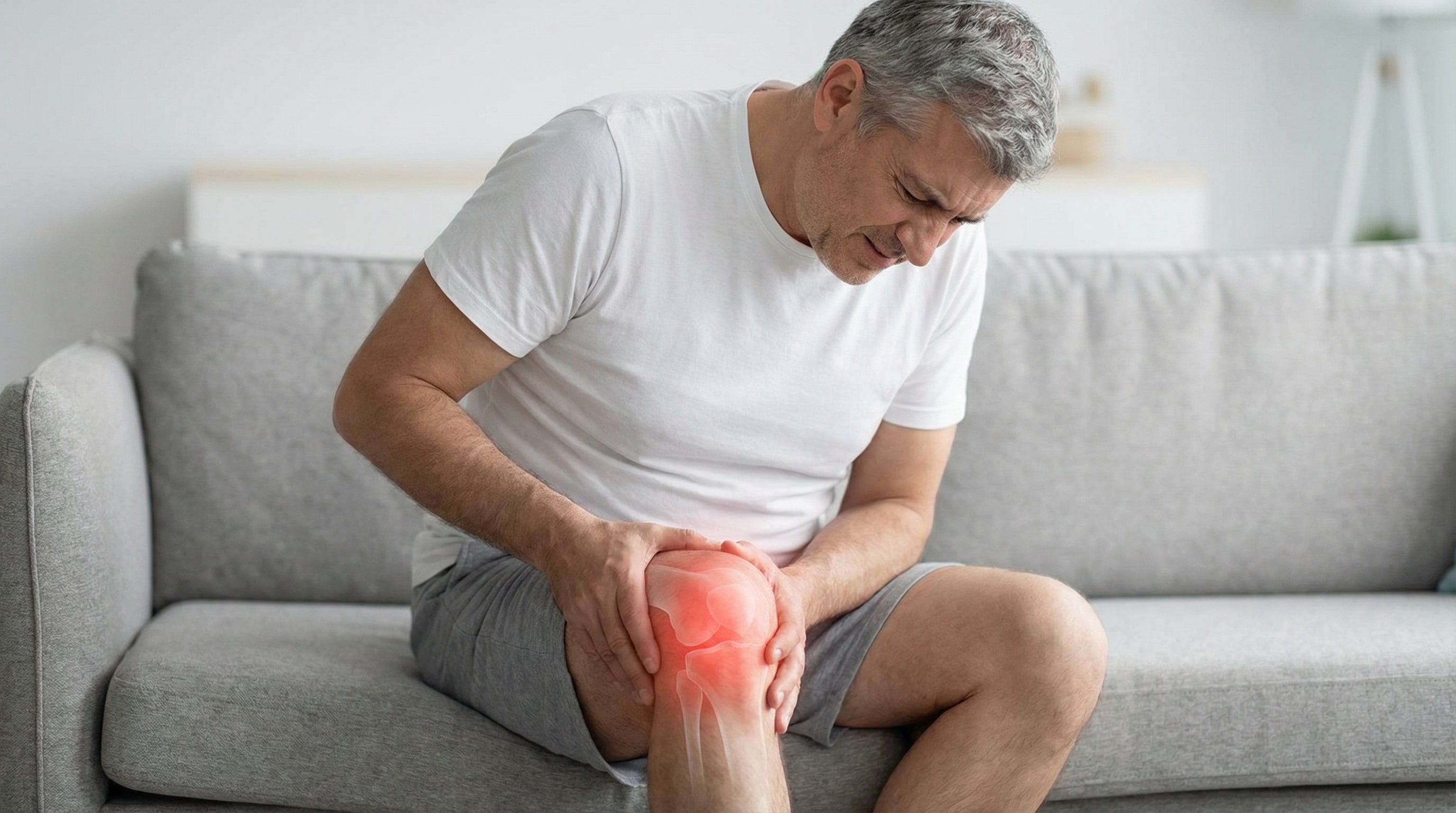
Knee pain is one of the most common joint problems, affecting people of all ages—from active athletes to individuals with sedentary lifestyles. The knee is the largest and one of the most complex joints in the human body, playing a critical role in supporting body weight and enabling movement such as walking, running, and jumping.
Because of its structure and constant use, the knee is particularly vulnerable to injury, overuse, and degenerative conditions, making knee pain a frequent and often recurring issue.
Understanding the Knee Joint
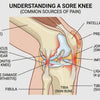
The knee acts as a hinge joint connecting the thigh bone (femur) to the shin bone (tibia). It is supported by multiple structures working together:
Cartilage – Provides smooth movement and reduces friction
Meniscus – Acts as a shock absorber between bones
Ligaments (ACL, PCL, MCL, LCL) – Stabilize the joint
Tendons – Connect muscles to bones
Muscles – Provide strength, movement, and joint support
These components must function in coordination. Damage to any part can lead to pain, instability, or reduced mobility.
Knee injuries often lead to varying degrees of knee pain.
Because the knee bears a significant portion of the body’s weight, it is particularly susceptible to injury and conditions such as arthritis. It is also prone to overuse injuries and sports-related accidents due to frequent movement. Understanding the most common types of knee injuries can help you identify the causes and symptoms of knee pain, as well as find effective ways to relieve it.
Common Symptoms of Knee Pain
The severity and location of knee pain vary depending on the underlying cause. Common symptoms include: