Inside Knee Pain
Experiencing knee pain can be frustrating and often debilitating, affecting daily activities, work, and exercise. This discomfort, felt on the medial side of the knee (the side closer to the other leg), is a common complaint with many possible causes.
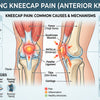
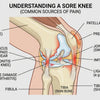
The knee is a complex joint, involving bones, cartilage, ligaments, and tendons, all working in concert to provide stability and mobility. When any of these inner structures are irritated, injured, or begin to degenerate, it can lead to noticeable pain on the inside. Identifying the specific cause is crucial for proper management, as different conditions require different approaches to healing and support.
Common Causes of Inside Knee Pain
Several conditions can cause inside knee pain. Some are acute injuries, while others develop gradually over time from wear and tear or repetitive stress.
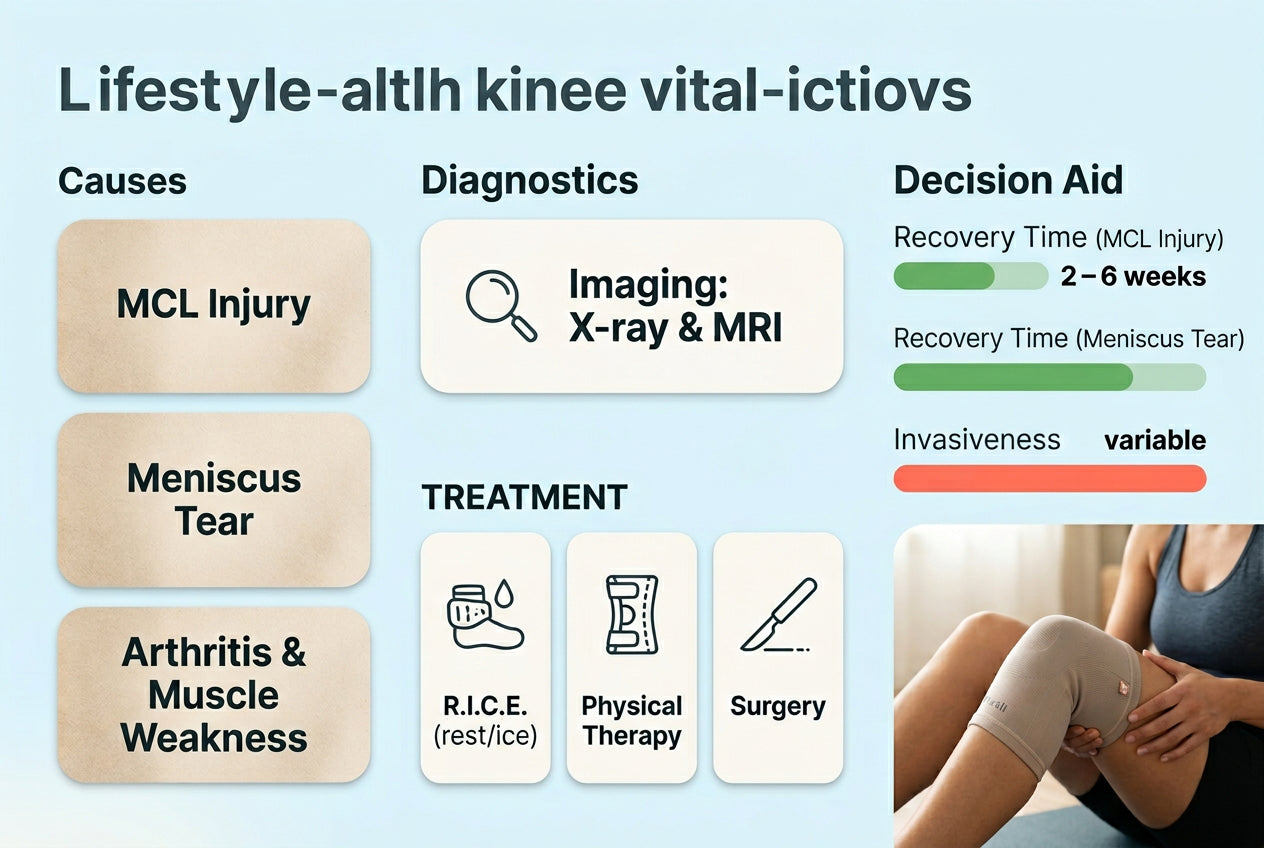
Medial Collateral Ligament (MCL) Injury
The MCL is one of the four major ligaments that stabilize the knee. It runs along the inner side of the knee, connecting the thigh bone (femur) to the shin bone (tibia). An MCL injury, ranging from a mild sprain to a complete tear, typically occurs when a force impacts the outside of the knee, pushing it inward. This often happens in sports with sudden changes in direction or direct blows, leading to an immediate need for an MCL knee brace for support. Symptoms include pain, tenderness on the inner knee, swelling, and sometimes instability.
Medial Meniscus Tear
The meniscus is a C-shaped piece of cartilage that acts as a shock absorber between your thigh bone and shin bone. A tear in the medial meniscus (the one on the inside of the knee) can result from twisting the knee, especially when bearing weight. Older individuals may develop degenerative tears due to age-related changes in cartilage. Symptoms often include sharp pain inside the knee, swelling, stiffness, and sometimes a catching or locking sensation.
Medial Compartment Osteoarthritis
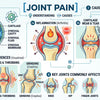
Osteoarthritis is a degenerative joint condition where the cartilage cushioning the ends of bones wears down over time. When this occurs on the inner side of the knee, it's known as medial compartment osteoarthritis, a common cause of chronic inside pain. This condition can lead to bone-on-bone friction, causing pain that often worsens with activity and improves with rest. Many individuals seek a best knee brace for bone on bone support for this condition.
Pes Anserine Bursitis
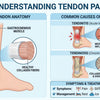
The pes anserine bursa is a small fluid-filled sac located on the inner side of the knee, about 2-3 inches below the joint line. It cushions the tendons of three muscles (sartorius, gracilis, and semitendinosus) that attach to the shin bone. Inflammation of this bursa (bursitis) can cause localized pain and tenderness. It's often linked to overuse, tight hamstrings, obesity, or poor athletic technique.
Other Potential Causes
- Medial Plica Syndrome: A plica is a fold in the synovial tissue lining the knee joint. If the medial plica becomes irritated or inflamed, it can cause pain, clicking, or snapping sensations.
- Osteochondritis Dissecans (OCD): A condition where a piece of bone and cartilage loses blood supply and separates from the joint surface, often in adolescents.
- Referred Pain: Sometimes, pain felt in the inner knee originates elsewhere, such as the hip or lower back.
- Patellofemoral Pain Syndrome: While often felt around the kneecap (patella), imbalances can cause pain that radiates to the inner knee and affect patellar tracking.
Managing Inside Knee Pain
Once your healthcare provider identifies the cause of your inside pain, they will recommend a management plan. General strategies often include:
- Rest and Activity Modification: Reducing activities that aggravate pain is essential to allow the knee time to heal.
- Ice and Elevation: Applying ice packs to reduce swelling and pain, and elevating the leg when resting.
- Physical Therapy: Targeted exercises to strengthen the muscles around the knee, improve flexibility, and correct biomechanical imbalances can be highly effective.
- Supportive Devices: A knee brace for pain on the inside of the knee can offer stability and offload stress from the affected area, providing relief during activity. For general support, a knee brace for pain can provide comfort and stability.
- Anti-inflammatory Medications: Over-the-counter or prescription medications can help manage pain and inflammation.
- Injections: In some cases, injections (such as corticosteroids or hyaluronic acid) may be considered to reduce inflammation or lubricate the joint.
- Surgery: For severe injuries, such as complete ligament tears or significant meniscus tears, surgery might be necessary.
-
Posted in
Knee Injuries