Back Brace vs. Posture Corrector Shirt: Which Is Right for Your Back Pain?

If you're reading this, you’re likely trying to solve a problem that affects millions. With low back pain impacting about 7.5% of the global population, the search for relief is more urgent than ever. But as you look for solutions, you're faced with a confusing choice: do you need a targeted back brace or one of those posture corrector shirts you see everywhere?
They might seem similar, but their functions are worlds apart. Choosing the wrong one won't just waste your money—it could fail to address the root of your discomfort.
This guide will clear up the confusion. We'll break down the mechanics, compare the use cases, and give you a clear framework to decide which option is truly right for your body, your pain, and your lifestyle.
The Core Difference: Targeted Support vs. A Gentle Reminder
Understanding the fundamental purpose of each device is the first step. Think of it this way:
- A Lumbar Back Brace is an engineering solution. It’s designed to provide direct, often adjustable, support to a specific area—primarily the lumbar spine. Its goal is stabilization, load reduction, and immediate pain relief.
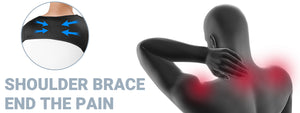
- A Posture Corrector Shirt is a behavioral tool. It uses fabric tension to provide a gentle, consistent reminder to engage your upper back and shoulder muscles, encouraging better posture habits over time.
Let's look closer at how each one works.
How a Targeted Lumbar Back Brace Works
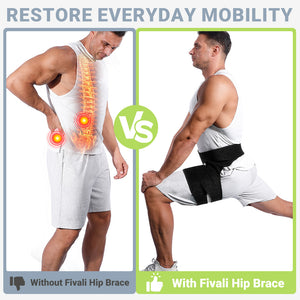
A well-designed lumbar brace, like Fivali's Lower Back Brace with Compression Strap, is focused on biomechanics. It actively helps your body by:
- Providing Compression and Stability: By applying pressure around your core, it increases intra-abdominal pressure. This acts like a natural corset, reducing the load on your spinal discs and lower back muscles.
- Improving Proprioception: The brace provides sensory feedback to your brain, making you more aware of your body's position. This enhanced awareness helps you maintain proper posture and avoid movements that could cause strain.
- Preserving Natural Curvature: Quality braces are designed to support the natural curve (lordosis) of your lower back, preventing the kind of flattening or arching that often leads to pain during long periods of sitting or standing.
A lumbar brace is ideal for: Individuals experiencing specific lower back pain, those recovering from a strain, or anyone needing robust support during physically demanding activities like lifting or manual labor.
How a Posture Corrector Shirt Works
Posture corrector shirts and similar posture correcting vests operate on a different principle. They are less about forceful support and more about neuromuscular re-education.
- Gentle Tension Cueing: The shirt’s design incorporates elasticated panels that create a subtle pull across your shoulders and upper back when you start to slouch.
- Muscle Activation: This constant, gentle reminder encourages you to actively engage the muscles responsible for holding your shoulders back and your spine erect.
- Building Muscle Memory: The goal is to train your body to hold a healthier posture naturally, even after you take the shirt off.
A posture corrector shirt is best for: People with mild upper back slouching or rounded shoulders, often from desk work ("tech neck"), who don't have significant back pain but want to build better postural habits.
Which One Is Right for You? A Scenario-Based Guide
Your daily life and the specific nature of your discomfort are the best indicators of which solution you need. Let’s match the product to the person.

Choose a Lumbar Brace if…
- You feel a specific ache or pain in your lower back. Whether it's a dull, constant throb from sitting or a sharp pain when you move, targeted support is necessary. A posture shirt won't provide the stabilization your lumbar region needs.
- Your job involves physical activity. If you're lifting, bending, or on your feet all day, a lumbar back support brace gives you the confidence and stability to perform tasks safely and with less fatigue.
- You want adjustable support. Pain and activity levels change. A brace with compression straps allows you to customize the level of support—tighter for heavy tasks, looser for sitting—something a fixed-tension shirt can't do.
- You're recovering from a muscle strain. Proper stabilization is key to healing. A brace limits excessive movement and supports injured muscles, facilitating a safer recovery.
For these scenarios, exploring a dedicated collection of back braces is your most effective path to relief.
Consider a Posture Corrector Shirt if…
- Your primary concern is slouching shoulders. If you catch yourself hunching over your keyboard but don't have actual back pain, a posture shirt can be an effective training tool.
- You want a reminder, not rigid support. You feel your posture muscles are simply "lazy," not injured, and you need a gentle nudge to engage them throughout the day.
- Discretion is your absolute top priority. While modern braces are quite discreet, a shirt is inherently designed to be worn as a base layer.
For those focused purely on upper-body alignment without significant pain, a full back brace for posture can sometimes offer a middle ground between a gentle shirt and a targeted lumbar support.
Expert Insights: A Tool, Not a Cure
It's crucial to adopt the mindset that physical therapists recommend: any support device is a tool, not a cure. The goal isn't to rely on it forever. Instead, it's a temporary aid to reduce pain and build awareness while you strengthen the muscles that support a healthy spine.
A major concern for users is the risk of muscle dependency. This is where the "tool, not a crutch" philosophy is vital. A lumbar brace should be used to make daily activities more comfortable and to allow you to perform strengthening exercises without pain. Over time, as your core strength improves, your reliance on the brace should decrease. This approach is fundamental to long-term back health and is a core part of how we design effective back pain relief products.

Frequently Asked Questions
1. Can a posture corrector shirt fix my lower back pain?
Generally, no. Posture corrector shirts are designed to address upper back and shoulder alignment. They lack the structure and targeted compression needed to stabilize the lumbar spine and effectively relieve lower back pain. For that, a dedicated lumbar brace is the appropriate choice.
2. Will wearing a back brace weaken my core muscles?
This is a common fear, but it's avoidable with proper use. A brace should not be worn 24/7. Use it during activities that cause pain or strain (like sitting for long hours or lifting). Combine this with a consistent routine of core-strengthening exercises. The brace enables you to exercise safely, which ultimately makes your muscles stronger.
3. How long should I wear a support device each day?
For posture correctors, experts often suggest starting with 15-30 minutes a day and gradually increasing the time as your muscles adapt. For lumbar braces, wear them during specific activities that trigger pain or for set periods when you need support, rather than all day long. Always listen to your body.
4. Are these solutions discreet under clothing?
Both can be. Posture shirts are designed as undergarments. Modern lumbar braces from Fivali are made with lightweight, breathable materials and have a low profile, making them easy to wear discreetly under most clothing without being bulky.
Make the Confident Choice for Your Back
The choice between a back brace and a posture corrector shirt is simple once you define your goal.
If you are looking to correct mild shoulder slouching with a gentle reminder, a posture corrector shirt can be a useful training aid.
However, if you are dealing with actual lower back pain, need reliable stability for daily activities, and want adjustable, targeted relief, a lumbar back brace is unequivocally the superior solution. It’s an engineered device designed to solve a mechanical problem, providing the support your spine needs to heal and function without pain. Many high-quality back support braces are available to meet these needs.
Don't let pain hold you back from living an active life. By understanding how these tools work, you can make an informed decision that provides real relief. Ready to find the right support? Explore our collection to find the perfect solution for your back health journey.