Boosting Your Running Experience with Fivali's Premier Knee Braces
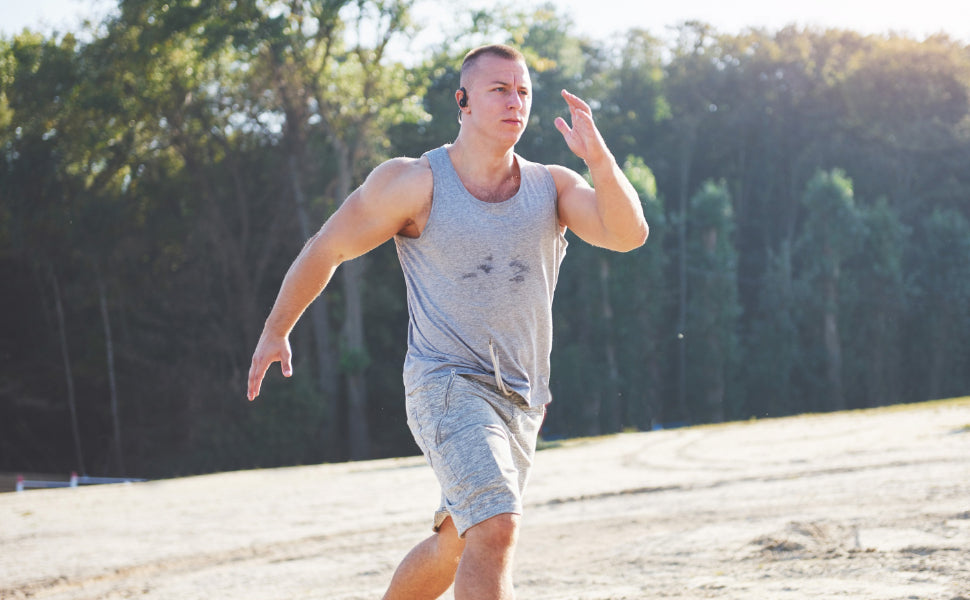
High-impact athletic endeavors place continuous kinetic stress on lower limb mechanics. During repetitive striding, sudden court transitions, and explosive jump-landings, the knee joint absorbs forces several times the baseline body weight. Maintaining proper alignment across the patella and surrounding connective tissues determines both immediate performance output and long-term athletic endurance. Equipment designed for joint support must offer optimal mechanical stabilization while accommodating dynamic range of motion.
Selecting the best knee brace for running requires evaluating structural reinforcement, material breathability, and functional pressure distribution. Utilizing advanced support solutions stabilizes joint articulation, mitigates kinetic fatigue, and optimizes biomechanical efficiency across demanding training regimens.
Understanding the Role of Knee Braces in Running
Knee braces are essential accessories for runners seeking optimal stability and support during their workouts. From reducing strain on the knees to preventing injuries, knee braces play a crucial role in enhancing performance and ensuring a comfortable running experience.
Biomechanical Strain Reduction
Repetitive foot strikes produce continuous ground reaction forces that travel upward through the tibia into the patellofemoral joint. Supportive gear assists in distributing these vertical impact loads across a broader surface area, reducing concentrated pressure on articular cartilage and supporting ligaments.
Enhanced Joint Alignment and Proprioception
Dynamic alignment issues often manifest during prolonged physical exertion as lower extremity muscles fatigue. Firm external compression heightens sensory feedback through skin mechanoreceptors, assisting the neuromuscular system in maintaining proper tracking of the kneecap throughout every stride cycle.
Unveiling the Best Knee Brace for Stability
When it comes to selecting the best knee brace for running, factors such as fit, durability, and design are paramount. At Fivali, our knee braces stand out for their exceptional quality, innovative features, and unparalleled support that cater to runners of all levels.
Structural Integrity and Fabric Engineering
Long-distance movement and repetitive physical drills require materials that maintain consistent elastic tension without stretching out over time. Premium synthetic knits combined with reinforced stitching ensure structural integrity under severe mechanical stress, preventing gear sag during intensive workouts.
Ergonomic Contouring for Dynamic Movements
Support gear must contour precisely to the anatomical curves of the thigh, kneecap, and upper calf. Anatomical tailoring prevents material bunching behind the popliteal fossa during deep joint flexion, eliminating friction points that lead to skin chafing or movement restriction.

Why Choose Fivali Knee Brace for Stability?
The Fivali team is dedicated to pushing the boundaries of technical innovation in the design and production of knee braces. By leveraging advanced materials, customizable fits, and cutting-edge technology, Fivali knee braces are engineered to provide superior stability and reduce physical strain—helping you elevate your running performance to unprecedented levels.
Advanced Thermal Regulation and Moisture Management
Intense cardiovascular sessions generate significant heat accumulation around enclosed joints. Integrated moisture-wicking channels draw perspiration away from the skin surface to outer fabric layers, facilitating rapid evaporation and keeping tissue dry during extended exercise.
Customizable Tension Systems
Individual anatomical variations require adaptable support configurations. Dual-strap micro-adjustment systems allow athletes to fine-tune targeted compression levels across upper and lower tendon insertion points, delivering a secure fit suited for high-impact training.
Competing Products: Compression vs. Hinged Knee Braces
While compression knee braces offer general support, hinged knee braces provide targeted stability and protection for runners with specific needs. At Fivali, we understand the nuances of each type of knee brace and have developed products that combine the benefits of both, ensuring comprehensive support and comfort for every runner.
Elastic Compression Sleeves
Standard compression sleeves provide baseline thermal insulation and soft-tissue encapsulation. They excel at managing minor swelling and providing mild sensory feedback, making them suitable for low-impact recovery runs or light daily training.
Dual-Axis Hinged Braces
Hinged support mechanisms utilize rigid lateral stays to physically restrict abnormal side-to-side joint movement. This mechanical barrier prevents unwanted rotation and lateral shear during sharp directional pivots, offering high-level structural reinforcement for demanding athletic conditions.
Hybrid Architectural Design
Hybrid support models integrate side-stabilizing elements directly into breathable elastic knits. This combination offers the flexible comfort of a sleeve alongside the structural guidance of a hinged frame, establishing an effective balance for dynamic athletic performance.
| Brace Type | Compression Level | Best Application |
| Standard Sleeve | Medium | Light Jogging / Recovery |
| Hinged Framework | High | High Lateral Impact |
| Hybrid Design | Targeted High | High-Intensity Sport / Running |
Cross-Disciplinary Athletic Applications
Joint stabilization benefits extend across diverse training environments that demand rigorous leg drive and impact absorption.
-
Court Sports and Jumping Drills: Volleyball, basketball, and tennis involve repeated vertical jumps and rapid lateral shuffling, where extra knee support cushions heavy landings and stabilizes lateral turns.
-
Trail and Inclined Terrain Running: Navigating uneven outdoor surfaces subjects joint capsules to unexpected torsional forces, where steady compression helps preserve ankle-to-knee structural alignment.
-
Functional Endurance Workouts: Plyometric movements, box jumps, and heavy resistance training demand consistent patellar tracking under rapid load changes.
Maintenance Guidelines for Prolonged Equipment Utility
Preserving fabric elasticity and structural components requires consistent care protocols.
-
Size Selection Accuracy: Measure thigh circumference at precise intervals above the center of the kneecap to select an option that provides firm medical-grade pressure without restricting circulation.
-
Cleaning Procedures: Hand wash in cold water using mild liquid detergent, avoiding aggressive spinning cycles or high-temperature mechanical drying that damages elastic fibers.
-
Equipment Inspection: Periodically check strap fastenings, elastic bands, and side stabilizers for signs of mechanical wear before starting high-intensity sessions.
Long-Term Physical Readiness and Joint Preservation
Sustaining high-level physical conditioning requires balancing athletic intensity with sensible joint protection strategies. Utilizing the best knee brace for running empowers active individuals to manage localized physical stress, stabilize joint mechanics, and execute athletic movements with precision. Combining targeted gradient compression, advanced textile breathability, and structural stabilization provides a solid foundation for long-term physical endurance, allowing athletes to train with consistent power and confidence.
-
Posted in
Healthy Lifestyle, Joint, Recovery