Caring for Your Fivali Knee Brace: Extend Its Lifespan and Effectiveness
Managing daily physical support for loved ones requires total reliance on well-engineered mobility aids. Daily movement places ongoing stress on joints, making mechanical assistance a critical component of personal comfort and mobility maintenance. Soft goods used for orthopedic stabilization require routine care to preserve their physical integrity. Proper maintenance protects the materials that offer stability, ensuring consistent function over extended periods. Understanding how specific construction elements operate and how materials react to stress helps keep these essential items in top condition.
Product Features and Secure Fastening
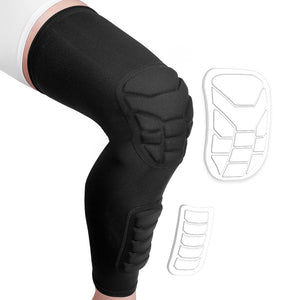
Every Hinged Knee Brace relies on a combination of flexible textiles and structured support elements to manage load distribution across the joint. The design prioritizes comfort and support through an adjustable mechanism that ensures a customized fit for each individual. The fabric adapts to the unique contours of the knee area, providing maximum support without compromising on comfort. Securing the straps evenly distributes pressure, preventing localized pinching or restricted blood circulation. A poorly fitting brace can cause discomfort, slip out of alignment during movement, or even lead to further injury. Proper adjustment maintains consistent positioning throughout daily activities.
In addition, Fivali Knee Braces stand out with additional support hinges on both sides, enhancing stability and promoting proper alignment during knee movements. The presence of these hinges ensures stable and reliable support, making the brace a trusted companion in your journey to enhanced knee well-being. These mechanical side components absorb lateral stress, taking the strain off weakened ligaments during walking or bending. Ensuring that the hinges remain securely in their side pockets prevents uneven torque on the fabric. Over time, regular inspections of the closure tabs and structural seams help maintain this precise mechanical alignment.
Essential Daily Care Protocols
Maintaining your hinged knee brace is essential to prolong its lifespan and effectiveness. Follow these care guidelines to ensure your knee brace continues to deliver optimal support.
Handwashing and Air-Drying for Optimal Maintenance
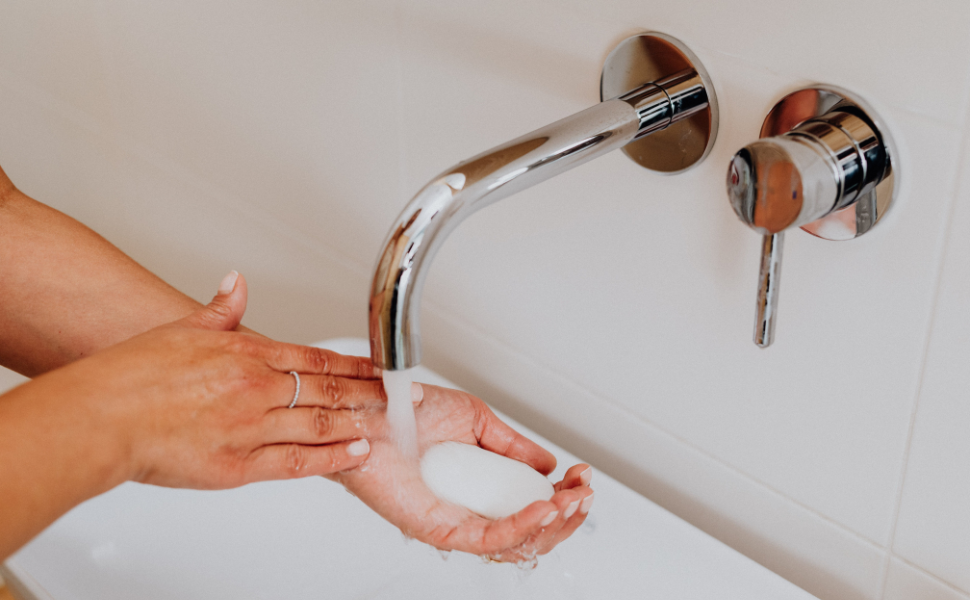
To maintain the structure and compression of the knitted fabric, handwashing is necessary. Fill a basin with cool or lukewarm water and add a mild, detergent-free cleanser. Gently submerge the brace, pressing the material to release accumulated sweat, skin oils, and dust without twisting the internal side stabilizers. After washing, allow it to air dry naturally on a flat surface away from direct sun exposure or harsh heating units. Avoid using washing machines or tumble dryers, as aggressive mechanical agitation can weaken structural fibers and ruin elasticity. Handwashing ensures that the synthetic fibers receive gentle care, preserving firm compression over time.
Avoiding Mechanical Hazards and Preventing Snagging
Daily handling requires caution to prevent the material from snagging on sharp objects, rough furniture edges, or open hook-and-loop fasteners, as this can lead to surface damage or pulled threads. The durability of the brace is crucial for long-term effectiveness. Storing the unit with all fastener tabs folded back flat onto their designated landing zones prevents accidental catches on neighboring garments or internal mesh linings. By avoiding situations where snagging may occur, you contribute to the overall durability and longevity of the gear.
Guidelines for Preventing Exposure to High-Temperature Environments
High-temperature environments can negatively impact the synthetic surface and interior elastomers of your equipment. Heat degrades elastic threads, causing the fabric to stretch out prematurely and lose its supporting tension. Ensure that the product is not exposed to such conditions to prevent scorching, fabric distortion, and a loss of elasticity. Never attempt to speed up drying using hot hairdryers, irons, or outdoor radiators. Following these guidelines protects the core structure from heat degradation and maintains steady joint stabilization.

Long-Term Maintenance Strategies
Maintaining a structured schedule for cleaning and inspection ensures consistent performance across daily usage cycles. Rotating between two supportive garments allows each piece ample time to air out completely between uses, preventing moisture retention and fabric fatigue.
Regularly check the condition of the stitching around the side pockets to ensure the internal uprights stay aligned. Promptly removing lint or loose fibers from the hook-and-loop closure strips restores firm grip strength, preventing unexpected slippage during use.
Preserving Performance for Lasting Mobility
Caring for your support gear is a commitment to continuous physical comfort. By following these care guidelines, you not only extend its lifespan but also ensure that it continues to provide the optimal support and stability required for daily activities.
Routine upkeep safeguards the structural design, allowing every component to function as intended. Proper washing habits, careful storage, and heat protection directly preserve material tension and mechanical alignment. With dedicated attention to basic hygiene and proper storage, these mobility tools remain dependable sources of daily stability and comfort.
-
Posted in
Healthy Lifestyle, Joint, Pain, Recovery