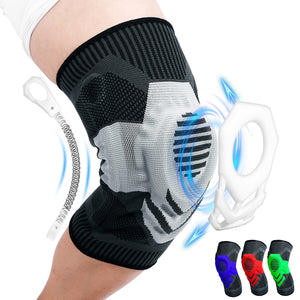
Fivali Adjustable Hinged Knee Brace: Customized Comfort and Support
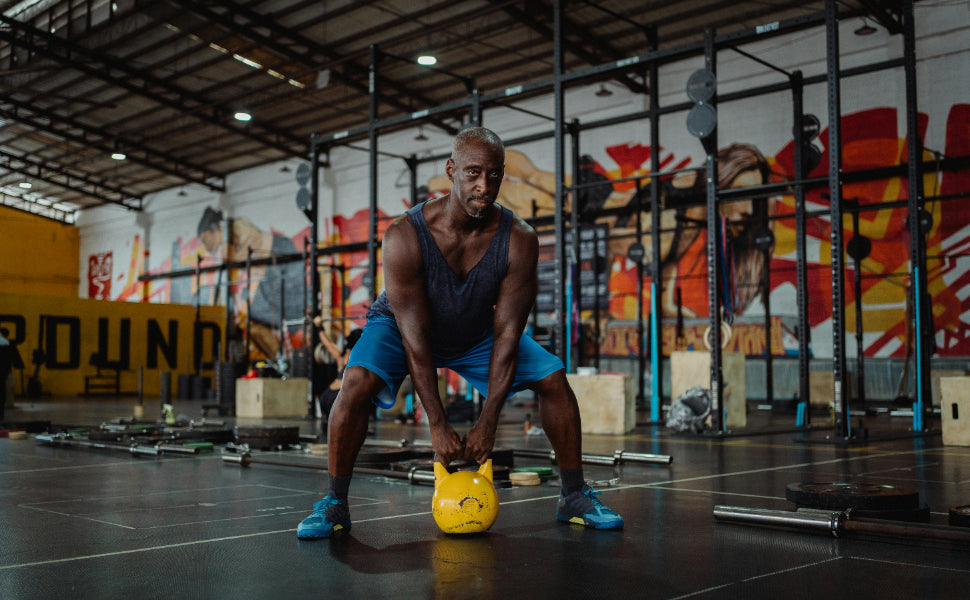
Maintaining peak physical condition relies heavily on joint longevity, particularly when it comes to the complex mechanics of the knees. High-impact exercises, repetitive athletic training, and everyday movements place immense stress on joints, making preventative care and reliable joint stabilization essential for anyone leading an active lifestyle. Recognizing the critical need for proper joint protection, the innovative Fivali Adjustable Hinged Knee Brace delivers targeted rehabilitation support and customized comfort, ensuring that athletes and fitness enthusiasts can move with absolute confidence.
The Importance of Advanced Joint Stabilization in Modern Fitness
Physical conditioning demands rigorous movement, yet joints often bear the brunt of heavy lifting, high-intensity interval training, and endurance sports. Without proper mechanical support, ligaments and tendons face heightened vulnerability to fatigue and sudden strain.
-
Load Distribution: Quality stabilization distributes body weight and impact shock evenly across the entire joint structure.
-
Kinetic Efficiency: Proper tracking prevents lateral deviations during squats, lunges, and sprints.
-
Fatigue Mitigation: Structural support reduces premature muscle exhaustion surrounding the patella and surrounding connective tissues.
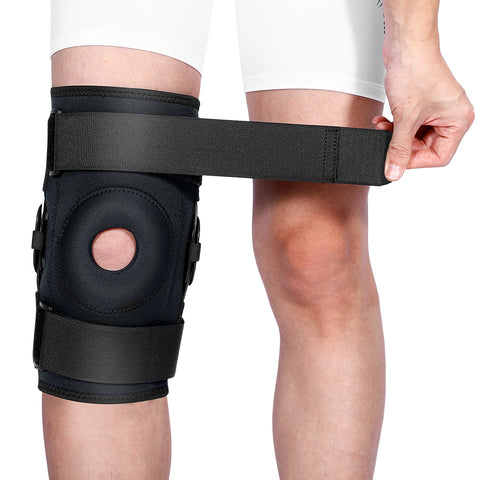
Customized Fit for Maximum Comfort and Personalized Relief
Achieving optimal therapeutic benefits requires a device that adapts to unique anatomical structures rather than forcing a generalized shape onto the leg. Standardized sizing often leads to slippage, restricted circulation, or inadequate pressure distribution during strenuous workouts.
The high-performance adjustable knee brace utilizes dynamic adjustment mechanisms that cater directly to individual contours. Adjustable straps and flexible closure configurations empower users to calibrate compression levels precisely where needed most. By eliminating pressure points and accommodating diverse leg diameters, this targeted approach maximizes wearing comfort while effectively mitigating joint discomfort and minimizing the likelihood of recurring strains.
Secure Fastening Mechanics for an Uninterrupted Workout Experience
Performance suffers immediately when protective gear requires constant readjustment mid-session. Stability depends entirely on a fastening architecture that maintains structural integrity through dynamic ranges of motion, whether executing rapid lateral cuts or heavy resistance training.
Incorporating an advanced high-traction closure matrix, this specialized adjustable knee brace design locks firmly into position to prevent any unwanted migration or twisting during physical exertion. This reliable retention system ensures continuous therapeutic pressure and unwavering physical stability. Users can transition seamlessly from sprinting to plyometric jumping without the distraction of a shifting support apparatus, fostering total concentration on athletic execution.
Engineered Stability and Hinged Support for Anatomical Alignment
Maintaining correct mechanical tracking is paramount for long-term joint health and injury prevention. Minor misalignments during repetitive flexion and extension can accelerate cartilage wear and cause chronic discomfort.
Integrated bilateral support hinges elevate the protective capabilities of the adjustable knee brace significantly beyond standard fabric sleeves. These mechanical hinges guide the natural trajectory of the joint while restricting excessive hyperextension or lateral shifting.
-
Bilateral Reinforcement: Dual-sided metallic or reinforced polymer hinges provide balanced lateral and medial stability.
-
Guided Trajectory: Smooth mechanical rotation mirrors the natural biological axis of the knee.
-
Strain Reduction: Controlled movement limits abnormal twisting forces during high-velocity activities.
Integrating Protective Gear into Daily Training Routines
Transitioning a specialized support tool into a regular fitness regimen requires thoughtful implementation to optimize both safety and performance longevity. Protective gear should complement physical conditioning rather than mask persistent underlying joint issues.
-
Pre-Workout Application: Ensure the leg is clean and dry before securing the straps for optimal grip.
-
Gradual Adjustment: Fasten the primary stability straps first, followed by secondary tension adjusters for a snug, non-restrictive feel.
-
Post-Activity Care: Inspect hinges and fastening surfaces regularly, wiping them down to remove sweat and maintain long-term durability.
Comprehensive Comparison of Joint Support Options
Choosing the right mechanical assistance depends on the specific intensity of physical activities and individual recovery requirements.
| Support Type | Primary Material | Ideal Use Case | Stability Level | Flexibility |
| Basic Compression Sleeve | Spandex and Nylon | Mild soreness and light jogging | Low | High |
| Open-Patella Wrap | Neoprene | Everyday mobility and minor aches | Moderate | Moderate |
| Hinged Support System | Breathable Composite with Rigid Hinges | Heavy lifting, intense sports, and post-injury recovery | High | Controlled |
Embracing Long-Term Mobility and Confidence
Sustaining an active, high-performance lifestyle demands proactive measures that prioritize structural integrity without compromising freedom of movement. By merging customizable ergonomics, dependable fastening technology, and advanced structural hinges, modern supportive gear redefines what individuals can achieve during physical training. Investing in a reliable adjustable knee brace ensures that every workout remains focused on progress, strength, and unyielding athletic confidence.