Fivali Back Braces Daily Comfort vs Sports Performance
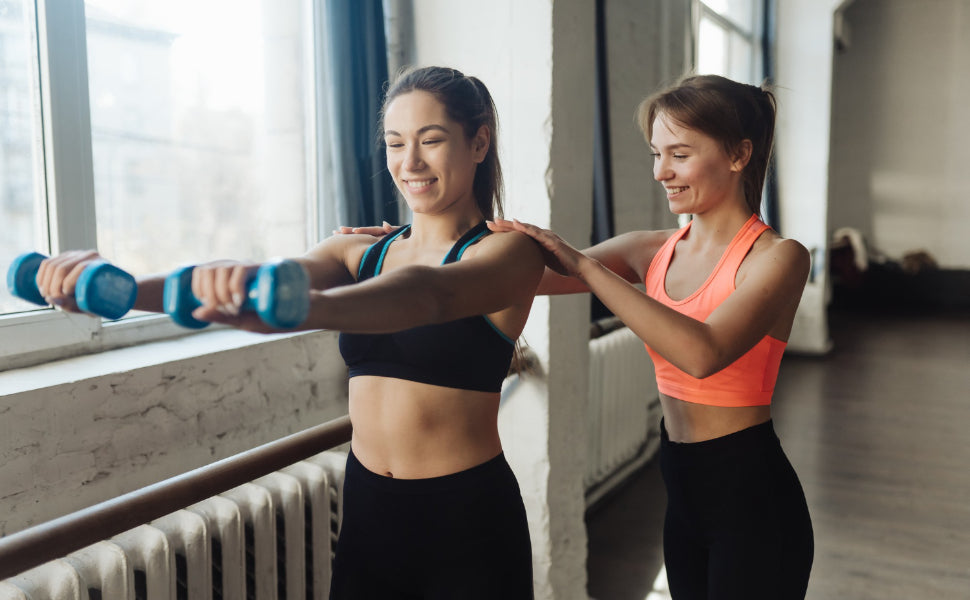
As the Memorial Day weekend approaches and kicks off the active summer season, our routines shift dramatically. You might find yourself transitioning from long hours hunched over a desk to intense weekend yard work, golf rounds, or heavy lifting in the gym. This sudden change in activity levels brings a critical evaluation question to the forefront: can a single back brace seamlessly support both your daily posture needs and your rigorous athletic pursuits?
With an estimated 619 million adults worldwide experiencing lower back pain, finding the right support isn't just about comfort—it is a vital component of long-term spinal health. The truth is, selecting the perfect gear requires matching the specific bio-mechanical demands of your lifestyle to the engineered features of the brace.
Let's explore the essential differences between daily wear and sports performance solutions to help you identify the exact Fivali support system designed for your needs.
Why Specialized Support Matters
A common misconception is that any thick band wrapped around your midsection will solve all back-related issues. However, orthopedic research highlights that different activities require distinct physiological support mechanisms.
For instance, clinical biomechanical studies show that dedicated lumbar belts can increase intra-abdominal pressure by up to 43% during heavy lifting, creating a rigid cylinder of support that protects the spine from sheer forces. In contrast, wearing a highly rigid lifting belt while sitting at your office desk is not only incredibly uncomfortable but can also restrict natural breathing patterns and proper blood flow.
When evaluating your options, you must distinguish between products engineered for muscle memory and posture correction versus those built for targeted stability and injury prevention.
Understanding Your Needs: Daily Use vs. Sports Performance
To make an informed decision, you need to align your primary daily activities with the structural design of the brace.
Daily Use and Posture Correction
If your day involves prolonged sitting, standing, light household chores, or casual walking, your primary enemy is postural fatigue. Over time, gravity pulls your shoulders forward, straining the upper back and neck.
For these scenarios, you need a support system focused on discretion, breathability, and gentle realignment. A high-quality fivali back brace designed for daily wear utilizes soft, elastic materials that pull the shoulders back. It doesn't do the work for your muscles; instead, it acts as a constant physical reminder, training your body's muscle memory to maintain an upright position naturally. Many users often wonder, do back straighteners work? The answer is yes, provided they are used consistently as a postural training tool rather than a crutch.
Sports Performance and Heavy Lifting
Conversely, if you are gearing up for high-impact sports, powerlifting, or labor-intensive tasks, your lower back (lumbar spine) is highly susceptible to acute injury.
Athletic bracing requires robust, moisture-wicking materials and targeted compression. Whether you need a stable back brace for squats or a specialized back support belt for lifting, these performance-grade belts limit the micro-movements of the spine under heavy loads. They allow for a controlled range of motion while absorbing the impact that would otherwise jar your vertebrae.

Fivali Back Braces: A Side-by-Side Comparison
To help you map your requirements to the right product, here is a breakdown of how Fivali's specialized lines compare:
| Feature | Fivali Daily Use Brace (FBR03) | Fivali Sports Braces (FBR04 / FBR01) |
|---|---|---|
| Primary Use | Posture correction, daily wear, office work | Heavy lifting, high-impact sports, strenuous labor |
| Support Level | Mild to Moderate | Strong to Extra Strong |
| Key Materials | Breathable mesh, soft, skin-friendly fabrics | Robust, moisture-wicking, reinforced tension straps |
| Design Focus | Discretion under clothes, comfort, muscle memory | Maximum lumbar stability, injury prevention, core engagement |
| Target Area | Upper back, shoulders, thoracic spine | Lumbar spine, lower back, abdominal core |
| Mobility | High freedom of movement | Controlled, targeted restriction to prevent hyperextension |
Choosing Your Fivali Support: The Decision Factors
Selecting the ideal brace requires an honest assessment of your daily habits. Are you looking to prevent the mid-afternoon office slouch, or are you trying to protect your lumbar spine during a deadlift personal record?
The Fivali Product Showcase
For the Daily Desk Warrior:
The Unisex Back Brace for Posture and Pain Relief Shoulder Straightener FBR03 is engineered for prolonged wear. Its invisible design allows you to wear it discreetly beneath your work clothes. The bilateral adjustment straightener pulls the shoulders back gently, combating the forward head posture that triggers tension headaches and upper back pain.
For the High-Performance Athlete:
When you step into the gym or onto the field, the Fivali Back Support Belt FBR04 and the Fivali Plus Size Back Belt Support FBR01 are your go-to armors. These belts feature highly adjustable tension straps that wrap around the core, locking the lumbar spine into a safe, neutral position. If you have been searching for the best lifting belt for lower back pain to help you get back to your active lifestyle safely, these specialized belts provide the crucial compression needed to support vulnerable intervertebral discs.
Debunking Myths & Answering Your FAQs
As you evaluate your options, several common questions likely come to mind. Let's address them with evidence-based insights.
Will wearing a back brace weaken my muscles?
This is a pervasive myth. Systematic reviews of orthoses and trunk muscle weakness reveal that when used correctly, braces do not cause muscle atrophy. A posture brace acts as a proprioceptive reminder, actually encouraging your muscles to engage and hold the correct position. For heavy lifting, a back support belt provides necessary external stabilization during maximum exertion, keeping you safe while your muscles do the heavy lifting.
How long should I wear my brace?
Understanding how long should you wear a back brace during the day is critical for success. For daily posture correctors like the FBR03, start with 20 to 30 minutes a day and gradually increase the time as your muscle memory improves. For sports belts like the FBR04, wear them strictly during the strenuous activity or heavy lifts, and loosen them during rest periods to allow normal core engagement.
Are Fivali braces difficult to care for?
Not at all. To maintain the integrity of the elastic and moisture-wicking materials, hand wash your brace in cold water with mild soap and let it air dry completely. Avoid direct sunlight and heat sources, which can degrade the compressive fibers over time.
When to Consult a Professional
While a high-quality back brace is an excellent tool for pain management, injury prevention, and postural correction, it is not a substitute for professional medical advice. If you experience radiating pain down your legs, numbness, tingling, or pain that progressively worsens despite using support and modifying your activities, it is imperative to consult a healthcare provider or physical therapist for a comprehensive diagnosis.
Next Steps for a Supported Summer
There is no one-size-fits-all approach to spinal health. Whether your goal is to sit comfortably through long meetings without a nagging ache between your shoulder blades, or to confidently execute complex lifts at the gym without fearing a lumbar blowout, matching the right gear to your specific lifestyle is the key to success.
By understanding the distinct advantages of daily use posture correctors versus sports performance belts, you can confidently navigate the fivali official website to select the precise support system that will keep you active, comfortable, and injury-free this season.