Fivali Back Support Belt: Relieve Back Pain and Enhance Performance
Back pain is a pervasive issue that disrupts daily routines, hinders athletic performance, and diminishes overall quality of life. Whether managing chronic discomfort from hours at a office desk or seeking reliable lumbar stability during high-intensity training, finding the right support system is crucial. The Fivali Back Support Belt provides an optimal blend of comfort, stability, and compression to alleviate back discomfort and elevate physical capabilities.
Engineered with advanced structural components and expert construction, this lumbar support belt ensures individuals can push past physical boundaries and accomplish daily objectives without pain. By focusing on targeted reinforcement, fatigue reduction, and skin-friendly materials, Fivali delivers a reliable solution that seamlessly integrates into active lifestyles.
Explanation of Enhanced Support
The core functionality of the Fivali Back Support Belt lies in its advanced structural reinforcement. Featuring high-grade internal stays, the belt provides robust support and stabilization to the spine and surrounding muscle groups. These internal stays are anatomically positioned to target the lumbar regions that endure the greatest strain during lifting, bending, and prolonged sitting.
By mimicking the natural alignment of the spine, the belt assists in unloading mechanical stress from the vertebrae. This targeted mechanism helps relieve back pain immediately upon fastening, while simultaneously reducing the risk of acute injury or long-term wear and tear. Users can engage in strenuous movements with the confidence that the lumbar spine is securely anchored.

Benefits of Reinforced Support
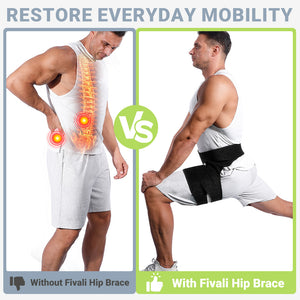
Utilizing a back belt for back pain that features reinforced internal stays yields significant physical advantages. The primary benefit is the stabilization of the lumbar spine, which corrects poor posture and restricts excessive, erratic movements that often trigger acute muscle spasms.
Postural Correction and Alignment
-
Neutral Spine Maintenance: Keeps the lower back in a healthy, neutral position during heavy lifts or prolonged standing.
-
Reduced Lumbar Flexion: Prevents the dangerous rounding of the lower back when bending forward.
-
Pelvic Stabilization: Helps align the pelvis with the spine, minimizing uneven weight distribution.
Optimized Load Distribution
By spreading physical stress evenly across the entire core and lower back, the belt prevents localized muscle overloading. Instead of a single muscle group bearing the brunt of a physical task, the mechanical load is distributed efficiently, resulting in less localized soreness and a significantly lower chance of muscle strains.
Reduce Fatigue for Prolonged Activities
Muscle fatigue is a primary catalyst for poor form and subsequent injury. When undertaking prolonged or repetitive physical activities, the lower back muscles eventually become overworked, leading to stiffness, dull aches, and diminished performance capacity.
| Activity Profile | Impact Without Support | Benefits with Fivali Belt |
| Warehouse & Heavy Lifting | Rapid onset of lumbar fatigue; high risk of acute strains. | Continuous compression; offloads strain from core muscles. |
| Extended Desk Work | Slouching; high pressure on intervertebral discs. | Forced upright alignment; minimized lower back stiffness. |
| Fitness & Athletic Training | Premature core failure; compromised lifting form. | Enhanced intra-abdominal pressure; sustained athletic output. |
The Fivali Back Support Belt works by offloading mechanical stress from the erector spinae and other lower back muscles. By supplementing core strength, the belt allows individuals to stand, walk, lift, or sit for extended durations without experiencing the debilitating fatigue that typically cuts a productive day short.
Comfortable and Breathable Design
High-level support is ineffective if a brace is too uncomfortable to wear throughout the day. For this reason, prioritizing user comfort and skin health is central to the design of this lower back brace. The inner lining is crafted from a soft, premium backing material that feels gentle against the skin and prevents the chafing often caused by substandard neoprene supports.
Key Material Features
-
High-Airflow Mesh Panels: Channels body heat away from the torso to prevent sweat buildup.
-
Moisture-Wicking Fabric: Absorbs and evaporates sweat quickly, keeping the skin dry.
-
Low-Profile Design: Slim construction allows the belt to be worn discreetly under regular clothing.
-
Anti-Chafe Edging: Soft stitched borders eliminate friction against the hips and waistline.
The integration of breathable, lightweight fabrics ensures that airflow remains constant even during intense workouts or warm-weather outdoor tasks. This thermal regulation makes the belt highly suitable for all-day wear, providing continuous relief without causing irritation or overheating.
Strategic Applications for Daily Use
Integrating a support belt into daily routines can drastically transform productivity levels across various environments. Understanding when to utilize reinforced compression helps maximize the longevity of your physical health.
Occupational Demands
For professionals working in logistics, construction, or healthcare, repetitive lifting and twisting are daily requirements. Wearing a structured back belt safeguards the musculoskeletal system against sudden twists and shifts under load, ensuring that a demanding shift does not result in a weekend of recovery.
Fitness and Recreation
Athletes engaging in functional fitness, weightlifting, or powerlifting can utilize the compression belt to increase intra-abdominal pressure. This extra pressure acts as an internal cushion that stabilizes the torso from within, allowing for cleaner transitions, deeper squats, and safer deadlifts.
Step-by-Step Fitting and Optimization
To achieve the maximum therapeutic benefits from a lumbar support belt, proper positioning and tension adjustment are absolutely vital.
Positioning the Base Layer
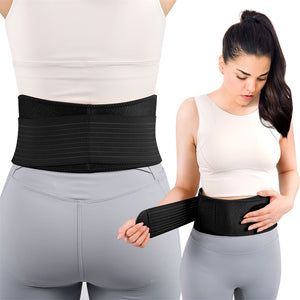
Open the main wrap fully and center the internal stays directly along the lower spine. The bottom edge of the belt should sit just above the hips, ensuring that the entire lumbar curve is completely covered by the support panel.
Securing the Primary Closure
Pull the main fabric flaps firmly across the abdomen and secure the hook-and-loop closure. The belt should feel snug and secure, but not so tight that it restricts deep abdominal breathing or cuts off circulation to the lower extremities.
Activating the Compression Straps
Grasp the secondary outer tension straps, pull them forward simultaneously, and attach them to the front panel. These dual outer bands allow for instantaneous adjustment, giving the option to tighten the brace right before a heavy lift and loosen it during periods of rest.
Conclusion
Investing in the Fivali Back Support Belt is an investment in long-term back pain relief and the continuous enhancement of daily performance. With its reinforced internal stays, fatigue-reducing compression, and highly breathable design, this belt provides a reliable, durable, and highly effective solution to help overcome physical limitations. Avoid letting a nagging backache prevent a life lived to the fullest. Make Fivali the primary choice for superior support, comfort, and everyday functionality.