Fivali Knee Brace Care Guide: Maintenance and Longevity
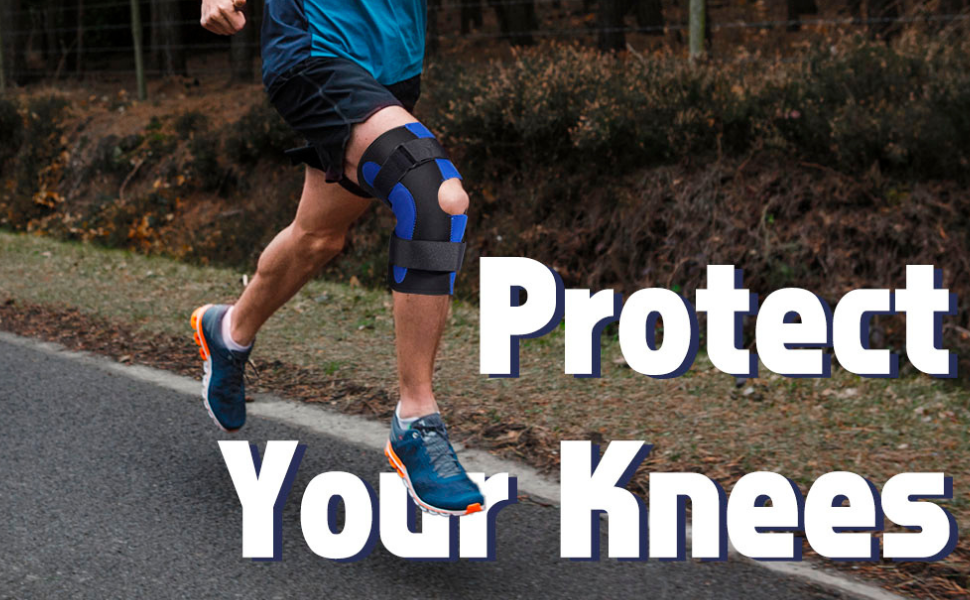
Active individuals rely on high-performance athletic apparel to deliver consistent joint stabilization, compression, and impact protection during grueling training sessions. However, continuous exposure to sweat, body oils, dust, and mechanical friction gradually degrades technical synthetic fibers if proper equipment care is neglected. Failing to sanitize and preserve elastic weaves leads to compromised structural compression, odors, fabric tears, and reduced grip performance. Implementing a disciplined maintenance routine ensures that protective support gear retains its original shape, elasticity, and ergonomic alignment over extended athletic seasons. The Fivali Knee Brace represents an essential investment in personal mobility, and adopting targeted washing, drying, handling, and storage practices maximizes functional durability while keeping joint support performing at peak technical levels.

Washing and Natural Air Drying Tips
When it comes to cleaning your Fivali knee brace, it's essential to follow the right steps to preserve its structure and compression. Here are some washing and drying tips:
Gentle Hand Wash: To maintain the integrity of the knitted fabric, it's recommended to hand wash your Fivali knee brace. Gently wash it using mild detergent and lukewarm water.
Avoid Washing Machines: Washing machines can be harsh on the delicate fabric of your knee brace. To ensure longevity, it's best to avoid using washing machines, which could potentially damage the structure and compression.
Natural Air Drying: After washing, let your Fivali knee brace air dry naturally. Avoid using tumble dryers or any artificial heat sources, as they can compromise the elasticity and overall quality of the product.
Cleansing Protocols for Technical Elastane Blends
Perspiration contains mineral salts, acidity, and organic compounds that slowly break down synthetic elastane and rubber threads within supportive knits. Systematic hand cleansing prevents fiber degradation without stripping crucial elastic recoil:
-
Dilute mild liquid soap in lukewarm water before submerging gear to ensure even cleaning agent distribution.
-
Massage the knitted fabric gently using smooth palm pressure rather than scrubbing or wringing aggressively.
-
Rinse thoroughly with clear water to flush out embedded detergent residues that attract dirt and cause skin discomfort.
-
Press the brace flat between dry towels to remove excess moisture safely without stretching internal elastic strands.
Atmospheric Drying Strategies for Elastic Retention
Exposing technical fabrics to forced thermal heat rapidly breaks down silicone anti-slip grips, warps internal stays, and melts thin synthetic fibers. Controlled ambient drying preserves structural integrity:
-
Suspend or lay flat in well-ventilated indoor spaces away from direct sunlight exposure.
-
Keep gear isolated from radiator units, space heaters, or hot hair dryer exhaust streams.
-
Maintain ambient air movement around drying gear to prevent stagnant moisture accumulation and sour odors.
Preserving Elasticity and Appearance
To keep your Fivali knee brace in top-notch condition, follow these tips to preserve its elasticity and appearance:
Pre-Wash Before First Use: Before wearing your Fivali knee brace for the first time, give it a gentle pre-wash. This ensures that any residual manufacturing substances are removed and allows the fabric to conform comfortably to your knee.
Mindful Handling: Be cautious when handling your knee brace, especially around objects that may snag the knitted fabric. Avoid sharp edges or items that could potentially damage the brace.
No Ironing or High Temperatures: Ironing or exposing the knee brace to high temperatures is a big no. The surface could scorch, leading to a loss of elasticity and affecting its appearance. Store and use the product in an environment below 100 degrees for optimal results.
Fabric Preparation and Surface Protection Mechanics
Initial factory finishing treatments and dye residues can affect initial skin feel and moisture absorption rate. Performing a quick pre-wear wash opens up technical textile pores, optimizing breathability and initial skin contouring:
-
Initial soaking softens raw fiber weaves to ensure smooth, immediate adaptation to natural joint contours.
-
Pre-washing eliminates surface chemical traces, lowering potential skin friction during high-sweat workouts.
-
Fastener isolation prevents accidental hook-and-loop contact with external knitted surfaces during storage and transport.
Temperature Thresholds and Storage Discipline
Excessive environmental heat breaks down structural polymers, rendering supportive gear loose, misshapen, and ineffective for physical activity. Maintaining stable environment conditions protects core functional components:
-
Store equipment in cool, dry closets where ambient temperatures remain well below 100 degrees Fahrenheit.
-
Keep athletic support sleeves laid flat or loosely rolled rather than tightly bunched under heavy gym equipment.
-
Avoid leaving gear inside closed vehicle trunks or direct sunlight dashboards where solar heat rapidly spikes.
Maximizing Functional Lifespan and Joint Protection Value
Integrating a supportive Knee Support into high-volume physical activity yields optimal long-term joint benefits when gear structural integrity is maintained:
-
Consistent compression levels continue stabilizing the patella during deep squats and dynamic directional cuts.
-
Maintained non-slip silicone borders prevent gear migration during high-cadence cardio drills or endurance runs.
-
Preserved elasticity ensures balanced pressure distribution, preventing localized blood circulation restriction.
Maximizing Performance Through Dedicated Equipment Care
Sustaining long-term joint safety and athletic progress requires pairing hard physical training with proactive gear maintenance. Following strict hand-washing protocols, avoiding machine drying, honoring temperature limits, and practicing careful storage safeguards structural investment. Utilizing a well-maintained knee support for torn meniscus or joint stabilization allows athletes to train with complete confidence, knowing joint protection remains structurally sound, hygienic, and ready for peak performance.
-
Posted in
Healthy Lifestyle, Joint, Pain, Recovery