Why Hip Pain Keeps Returning Common Causes and Fixes
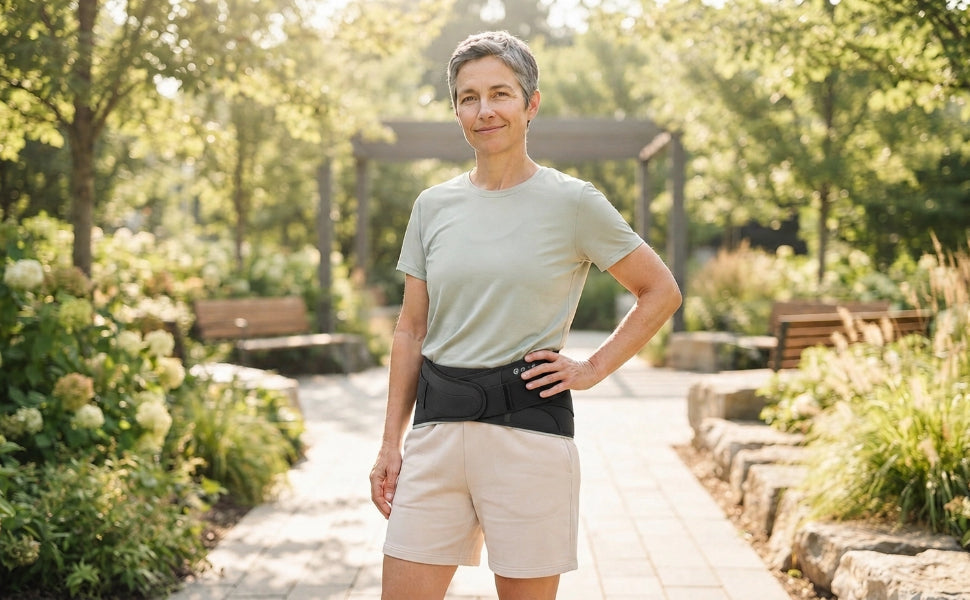
As the weekend approaches—marking the official kickoff of summer barbecues, backyard games, and long-awaited hikes—the last thing you want is to be forced to put those plans on hold due to that familiar hip pain. You’ve likely done everything right: you rested, you stretched, and you even invested in a supportive brace. Yet, halfway through a weekend gathering or a simple walk around the neighborhood, that familiar, frustrating ache returns.
If you find yourself wondering why your support feels completely ineffective, you are not alone. Many people mistakenly believe their underlying injury is worsening, when in reality, the culprit is often a combination of everyday movement patterns and subtle brace fitting errors.
Understanding how your daily habits interact with your support gear is the key to unlocking true, lasting relief. Let’s explore the mechanical "why" behind your recurring discomfort and learn how to transform your brace from a source of frustration into a highly effective tool for an active summer.

The Foundation: Brace Mechanics 101
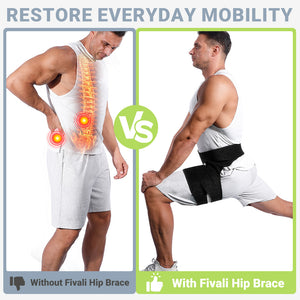
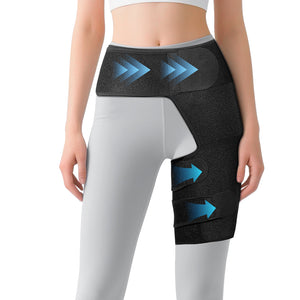
To understand why a brace might fail you, it helps to understand what it’s actually designed to do. A high-quality hip brace works by applying targeted compression to the hip joint, stabilizing the pelvis, and redirecting pressure away from inflamed tissues like the bursa or labrum. It essentially acts as a set of external ligaments, taking the load off your overworked muscles.
However, a brace is only as effective as its placement. Because the hip is a complex, multi-directional ball-and-socket joint, even a millimeter of shifting can mean the difference between perfect support and agonizing friction.
Top Brace Fitting Mistakes (And Why They Hurt)
When hip pain returns while wearing a brace, users often blame the product’s quality. But before tossing it aside, it's crucial to check for these three common application errors:
1. The "Too Loose" Gap (Slippage)
During warm summer activities, sweat and movement can cause your brace to shift. If the straps aren't appropriately secured, the brace will slide down or bunch up. When this happens, you lose the crucial pelvic stability the brace was meant to provide. Instead of stabilizing the joint, a loose brace simply rubs against the skin, causing chafing and allowing the hip to move in pain-triggering ways.
2. The "Too Tight" Pinch
In a desperate attempt to stop a brace from slipping, many people over-tighten the straps. This is a massive mistake. Excessive tightness restricts blood flow and can compress the femoral nerve. If you feel a tingling sensation down your leg, or a sharp, pinching pain at the crease of your hip, your brace is likely too tight. You are inadvertently creating a new source of pain rather than treating the original one. Opting for a thigh support brace adjustable design can help you find that perfect "Goldilocks" zone of snug but comfortable compression.
3. The "High Rider" Mispositioning
The hip joint is lower than most people think—it's located right at the crease of the groin, not up at the waistline. A very common error is pulling the brace up too high, wrapping it around the soft tissue of the abdomen or the iliac crest (the top of the hip bone) rather than anchoring it over the actual joint. When positioned too high, the brace provides zero biomechanical support to the hip joint itself.
Everyday Movements That Sabotage Your Support
Even with a perfectly fitted brace, the way you move during your daily routine can undermine your recovery. As we head into a busy holiday weekend, watch out for these stealthy pain triggers:

Getting In and Out of Cars
The deep flexion (bending) and twisting required to slide into a car seat forces the hip into a compromised position. This motion often causes a brace to bunch up at the crease, immediately reducing its effectiveness.
The Fix: Stand with your back to the car seat, sit down first, and then pivot both legs into the car together, keeping your knees parallel.
Prolonged, Slumped Sitting
If you're traveling for Memorial Day, long car rides or flights are inevitable. Slumping backward in your seat tilts your pelvis and puts immense strain on the hip flexors and lower back. Over time, this posture causes the brace to migrate upwards, completely disengaging from the hip joint.
The Fix: Use a lumbar roll to maintain a neutral spine, ensuring your brace stays anchored in its proper anatomical position.
The Kinetic Chain Reaction
It’s important to remember that your body works as an interconnected system. If your hip is hurting, your body will naturally alter its gait to avoid the pain. This overcompensation often sends stress down the leg. It’s incredibly common for unresolved hip issues to lead to knee or ankle pain. If you're experiencing pain lower down the leg due to gait compensation, utilizing a knee stabilizer or an achilles tendon ankle brace can help align your lower body while your hip heals.
Is It You, or Is It the Brace? (The "Pain Detective" Framework)
How can you tell if your recurring pain is due to your habits or a poorly designed brace? Use this quick self-assessment:

- Does your pain worsen immediately after adjusting the brace? If yes, you are likely over-tightening or mispositioning it.
- Does the brace consistently bunch up or slip during basic walks? If you are wearing it correctly and it still fails to stay put, the brace's design, material, or size may simply be incompatible with your body type.
- Do you feel new pressure points? A good brace should feel like a firm, supportive hug, not a vice grip. If you have deep indentations in your skin, the fit is wrong.
Frequently Asked Questions (FAQ)
Should I wear my hip brace all day?
No. While it’s tempting to wear your brace constantly for relief, doing so can cause your stabilizing muscles to weaken over time (muscle dependency). Use the brace during activities that typically trigger your pain—like exercising, walking long distances, or playing summer sports—and remove it during periods of rest.
Can hip pain affect my performance in summer sports?
Absolutely. The hip is the powerhouse of your core. Whether you are swinging a golf club or jumping for a spike in the sand, hip instability will ruin your mechanics. In fact, many athletes who struggle with hip alignment also rely on volleyball ankle braces or knee sleeves because they’ve compromised their lower body mechanics trying to protect a sore hip.
When should I stop trying to self-treat and see a doctor?
If you are wondering what is a red flag for hip pain?, look out for inability to bear weight, sudden swelling, severe pain that wakes you up at night, or pain accompanied by a fever. These are signs that you need immediate professional medical evaluation, not just a brace adjustment.
Does compression work for other joints the same way it works for hips?
Yes, the principles of stabilization and proprioception (body awareness) apply universally. For example, if you are wondering how to choose the right compression sleeve for elbow and forearm support during workouts?, you would look for the same features: breathable materials, anatomical contouring, and a snug fit that doesn't restrict circulation.
Next Steps: Moving Forward Without the Ache
Recurring hip pain doesn't have to be your permanent reality, nor does it mean your active lifestyle is over. By recognizing the subtle ways your daily movements and fitting habits impact your recovery, you take back control of your joint health.
As you prepare for Memorial Day festivities and the active months ahead, take five minutes to evaluate your current setup. Put your brace on, walk in front of a mirror, and sit down. Does it migrate? Does it pinch? Does it truly support the joint? If your brace is constantly failing you despite your best efforts to fit it correctly, it may be time to explore mid-funnel content to evaluate long-term support options, advanced design features, and materials better suited for your unique anatomy.
Remember, a brace is meant to be your silent partner in recovery—empowering your movement, not restricting it.