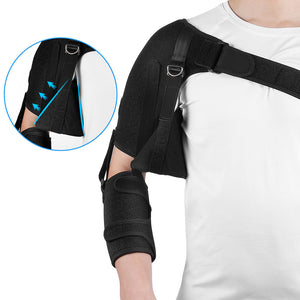
Lifting with the Fivali Back Support Belt: Take Your Performance to the Next Level at the Super Bowl
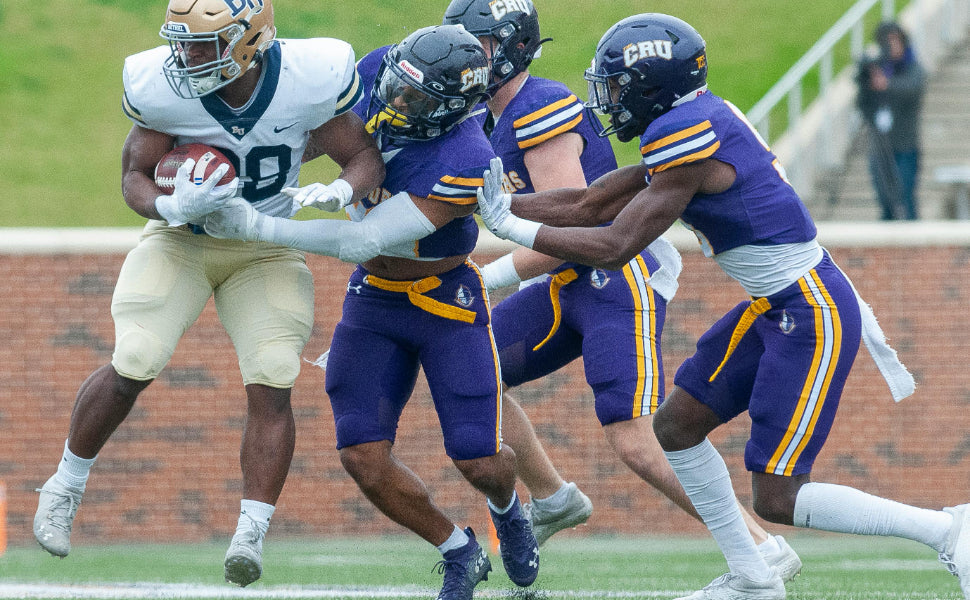
Crashing through dense defensive lines, locking into full-force scrum engagements, and executing bone-jarring open-field tackles demand immense kinetic energy generation from the lower back and core. Rugby players operate in a collision-heavy sport where spinal stability determines both contact dominance and overall longevity on the pitch. Transferring raw power from the legs through the torso during heavy scrum pushes or ruck cleanouts subjects the lumbar spine to intense axial loading, twisting forces, and sudden physical impacts. Across demanding training camps, high-volume barbell strength sessions, and eighty minutes of unyielding pitch warfare, continuous mechanical fatigue can compromise spinal alignment and trigger muscular exhaustion. Maintaining structural integrity during heavy weight room sessions and intense field drills requires protective gear that balances rigid paraspinal support, active stress offloading, and breathable comfort. The Fivali Back Support Belt provides a heavy-duty athletic solution, integrating four internal support stays, load-offloading compression, and soft thermal backing designed to help contact athletes preserve joint health, boost lifting capacity, and dominate every physical contest with complete confidence.

Fivali Back Support Belt: Key Features and Benefits
The Fivali Back Support Belt engineered for athletic strength development brings together three core technical elements designed to optimize spinal mechanics under heavy barbell loads and high-impact field demands:
-
Internal Stays for Reinforced Support: The distinctive feature of this Back Support Belt for lifting, which consists of four internal stays, is something that Fivali takes great pride in. These stays offer unrivaled support and stability to the spine and surrounding muscles, which is especially beneficial while engaging in strenuous lifting activities. Reinforced support produces excellent effects on performance, injury prevention, and overall back health.
-
Offloading Stress and Reducing Fatigue: Fivali Back Support Belt for lifting is designed to relieve stress from lower back muscles, minimizing tiredness during lengthy or repetitive physical activities. This reduction in fatigue is essential for achieving peak performance, maintaining endurance, and decreasing the risk of injury, particularly during events such as the Super Bowl 2026. Support is reliably provided for persons and athletes involved in physically demanding activities.
-
Soft and Breathable Backing Material: Fivali Back Support Belt for lifting prioritizes comfort while providing exceptional support. The belt features a soft and breathable backing material that ensures a comfortable experience for the back. Finding the right balance between support and comfort makes this product suitable for everyday use. Users control the amount of pressure applied to the lower back thanks to adjustable compression straps, which provide a secure and comfortable fit tailored to specific requirements.
Biomechanical Mechanics of Lumbar Load Distribution
Integrating a technical lumbar lifting belt for back support reinforces intra-abdominal wall pressure and paraspinal stability through targeted mechanical principles:
-
Vertical Axis Column Stabilization: The four internal structural stays act as rigid external supports along the paraspinal muscles, preventing dangerous lumbar flexion and rotation when lifting heavy loads or absorbing heavy tackle impacts.
-
Intra-Abdominal Pressure Generation: Concentric circumferential tension enables deep core muscles to press outward against the belt wall, creating a solid internal cylinder that stabilizes sacral joint structures.
-
Shear Stress Dissipation: Broad rear paneling spreads localized compressive forces across the upper pelvis and lower back, protecting vulnerable intervertebral discs during explosive power transfers.
Contact Sport and Strength Applications Across Pitch Roles
Deploying a heavy-duty lower back support belt delivers strategic biomechanical advantages across various athletic roles and gym workouts:
-
Forward Pack Scrums and Maul Drives: Braces the lower back against heavy opposing force during crouch, bind, and set calls, keeping the spine neutral under immense collective pressure.
-
Backline Sprinting and Open-Field Tackling: Stabilizes the central core cylinder during high-speed directional cuts, allowing explosive lateral power transfer without torsal rotation fatigue.
-
Gym Compound Lifting Protocols: Maintains rigid torso mechanics during heavy barbell squats, Romanian deadlifts, and overhead log presses during off-season conditioning cycles.
Maintenance Guidelines for Heavy-Duty Athletic Gear
Preserving the internal stay alignment, compressive elasticity, and hygienic freshness of a weightlifting belt for back pain requires straightforward routine care:
-
Secure Tension Straps Prior to Cleaning: Fasten all hook-and-loop closure tracks flat against the main belt body before washing to prevent rough teeth from snagging soft textile linings.
-
Cool Water Hand Wash Routine: Clean the belt by hand in cool water using mild liquid soap to flush out accumulated sweat, pitch mud, and chalk without damaging internal stay materials.
-
Towel Moisture Extraction: Wrap the support flat between clean dry towels and press firmly to absorb excess water without bending or twisting internal structural stays.
-
Shaded Flat Air Drying: Lay the support flat on a clean surface in shaded, well-ventilated indoor spaces away from direct heat to preserve material stretch memory.
Dominating Physical Battles Through Advanced Core Reinforcement
Achieving contact dominance, sustaining peak power output through late match minutes, and protecting long-term spinal health require pairing raw athletic drive with intelligent equipment engineering. Uniting four internal rigid stays, stress-offloading compression mechanics, soft breathable backing materials, broad multi-sport application, and disciplined equipment maintenance forms an unyielding defense against lower back fatigue. Incorporating engineered lumbar support into daily weight room training and field preparation enables dedicated athletes to drive harder, lift heavier, and conquer every physical challenge with total physical resilience.
-
Posted in
Back pain causes, Recovery, sports