Chronic Back Pain? Discover the Lasting Power of Back Braces for Long-Term Relief & a Stronger You

If you're dealing with chronic lower back pain, you've likely moved past the search for a quick fix. You're in the evaluation stage, looking for a sustainable strategy that delivers not just temporary relief, but lasting improvement. With chronic lower back pain affecting up to 619 million people globally, you're seeking a solution that empowers you to reclaim your life, not just manage the pain.
The question is no longer just "Will this help today?" but "How will this support my spinal health a year from now?"
A well-designed back brace, when understood as a key component of a broader pain management plan, can be a transformative tool. It's not about dependency; it's about empowerment. It’s about creating an environment where your body can heal, your posture can reset, and your confidence to move can be restored. This guide will walk you through what you can realistically expect from long-term back brace use and how it contributes to sustained well-being.
The Shift in Thinking: From Temporary Fix to Sustainable Support
For too long, back braces have been viewed as a simple crutch. But modern, thoughtfully engineered braces are designed to be active partners in your recovery. They work by providing crucial stability and feedback that allows you to break cycles of pain and dysfunction, paving the way for long-term health.
The goal isn't to rely on a brace forever but to use it strategically to achieve lasting change. This involves understanding its true, evidence-backed benefits beyond simple support.
Unpacking the Enduring Benefits of a Well-Designed Back Brace
When you incorporate a quality back brace into your routine, the effects compound over time, leading to significant, lasting improvements in your daily life.
Re-educating Your Posture, One Day at a Time
Chronic pain often leads to compensatory postures—hunching, leaning, or overarching—that worsen the underlying problem. A semi-rigid back brace provides gentle, consistent proprioceptive feedback, which is a fancy way of saying it makes you more aware of your body's position in space.
This constant, subtle reminder helps retrain your muscles and mind to maintain a more neutral, healthy spinal alignment. Over months, this re-education becomes second nature. Many people wonder, do back braces help posture? When used as a training tool, the answer is a resounding yes, as they provide the support needed to hold correct alignment and fix an arched lower back and other postural deviations.
Reducing Chronic Strain to Prevent Pain Recurrence
A well-designed brace helps to unload the lumbar spine, distributing forces more evenly and reducing the strain on overworked muscles, ligaments, and discs. During daily activities like lifting groceries or sitting at a desk, the brace absorbs some of the load that would otherwise contribute to micro-trauma and inflammation.
This reduction in daily strain is critical for preventing flare-ups and the recurrence of acute pain, allowing inflamed tissues the space they need to heal properly.
Unlocking Confident Movement and Active Recovery
Perhaps one of the most significant long-term benefits is psychological. Chronic pain often creates a fear of movement, known as kinesiophobia. You become hesitant to bend, twist, or walk for fear of triggering pain, which leads to a sedentary cycle and further deconditioning.
A brace provides a sense of security and stability that can break this cycle. It gives you the confidence to re-engage with activities you love. Whether it's gardening, playing with your kids, or just taking a walk, using a back brace for walking can make all the difference. Research has shown this reduction in fear can lead to improved activity levels and better overall mental well-being.
Addressing the Big Question: Can Long-Term Use Weaken Your Muscles?
This is the most common and valid concern people have when evaluating a back brace. The idea of "muscle atrophy" from overuse is a major point of discussion. Here’s the transparent, evidence-based truth.
The concern stems from the idea that if a brace does all the work, your core muscles will turn off and weaken. While this can happen with improper, continuous use of old-school rigid braces, it's not the reality for modern, semi-rigid supports when used correctly.
Recent systematic reviews have found no conclusive scientific evidence that orthopedic supports result in trunk muscle weakness when used appropriately and combined with physical therapy. The key is to use the brace as a tool for enabling activity, not replacing muscle function. The recommended approach is intermittent use—wearing it during activities that pose a risk or cause discomfort, and removing it during periods of rest. This is a critical point when considering how long should you wear a back brace during the day.
It’s also important to distinguish between treatment and prevention. While a back brace for lower back pain is highly effective for managing existing symptoms and supporting recovery, studies suggest they are not a standalone tool for prev

What to Expect: Your Journey with a Back Brace Over Time
Your experience with a back brace will evolve as your body heals and strengthens. Here's a realistic timeline:
Phase 1: The First Month – Adaptation and Relief
During the initial weeks, the primary goal is pain reduction and stabilization. You’ll likely wear the brace during most of your daily activities. The key benefits you'll notice are a significant decrease in pain intensity and a growing awareness of your posture.
Phase 2: Months 1-6 – Integration and Activity
This is where the brace becomes a true rehabilitation tool. You’ll wear it to support your back during physical therapy sessions, core-strengthening exercises, and a gradual return to more demanding activities. Your usage may become more intermittent as your core strength and confidence grow.
Phase 3: 6+ Months – Sustained Management and Empowerment
By this stage, the brace is a strategic part of your toolkit. You may only wear it for specific high-risk activities like heavy lifting, long car rides, or a round of golf. Your reliance on it decreases as your own muscle strength and healthy movement patterns take over. The brace is there for support when you need it, empowering you to live an active life without fear.
Choosing for the Long Haul: What Defines a Superior Back Brace?
Not all back braces are created equal. For long-term success, you need a design that supports an active recovery model. Look for features that prioritize both function and comfort, as consistent use is key.
- Material Science: Breathable, moisture-wicking fabrics are non-negotiable for long-term comfort. A well-made brace should feel supportive without causing overheating or skin irritation. Considering the comfortable back brace material is essential.
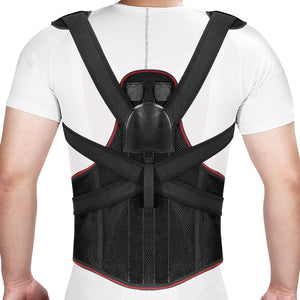
- Biomechanical Support: Look for semi-rigid construction that provides meaningful support and postural feedback without completely immobilizing you. Targeted compression straps allow you to adjust the level of support based on your activity.
-
Adjustability: A superior brace, like Fivali's adjustable back support belt, allows for a customized fit that can adapt as your body changes. This ensures the brace remains effective throughout your entire recovery journey. Based on many positive
fivali back brace reviews, users find this adaptability crucial for comfort and effectiveness.
The Fivali Lower Back Brace with Compression Strap is engineered with these principles in mind, offering a balance of robust support and flexible comfort designed for sustained use.

Beyond the Brace: Building a Complete Spinal Health Strategy
Remember, a back brace is one powerful piece of a larger puzzle. To achieve the best long-term outcomes, it must be integrated into a holistic strategy that includes:
- Core Strengthening Exercises: A targeted program designed by a physical therapist is essential for building your body's natural support system.
- Mindful Movement: Learning proper body mechanics for lifting, sitting, and bending protects your spine from future injury.
- Professional Guidance: Always consult with a healthcare provider to diagnose the root cause of your pain and develop a comprehensive treatment plan.
By combining the strategic use of a high-quality brace with these active approaches, you create a powerful synergy for lasting spinal health and effective back brace for pain relief.
Frequently Asked Questions
Will wearing a Fivali brace weaken my back muscles?
No, when used strategically and combined with physical therapy, a modern back brace is designed to enable activity, not replace muscle function. The key is intermittent use – wearing it during risky activities or discomfort, and removing it during rest. This approach supports active recovery and helps strengthen your core over time.
How long is too long to wear a back brace?
The optimal duration depends on your specific condition and professional advice. Generally, it's not recommended for 24/7 use. Back braces are most effective when used strategically during activities that pose a risk or cause discomfort, allowing for gradual reduction in reliance as your strength and healthy movement patterns improve. Consult a healthcare provider for personalized guidance on your usage timeline.
Is a brace a permanent solution for my chronic pain?
A back brace is a powerful component of a comprehensive chronic pain management plan, not a standalone cure. It provides essential support and pain relief, enabling you to engage in core strengthening, mindful movement, and physical therapy. This holistic approach, guided by a healthcare provider, is key to achieving lasting spinal health and reducing pain.
Can I use a brace to prevent back pain from starting?
For individuals who have never experienced back pain, there is limited evidence that a brace can prevent its initial onset. Its primary, proven benefit lies in managing existing symptoms, supporting recovery from injury, and preventing the recurrence of pain as part of a comprehensive treatment plan.