Beat Arthritis Pain: The Senior Athlete's Guide to Choosing the Right Knee Brace
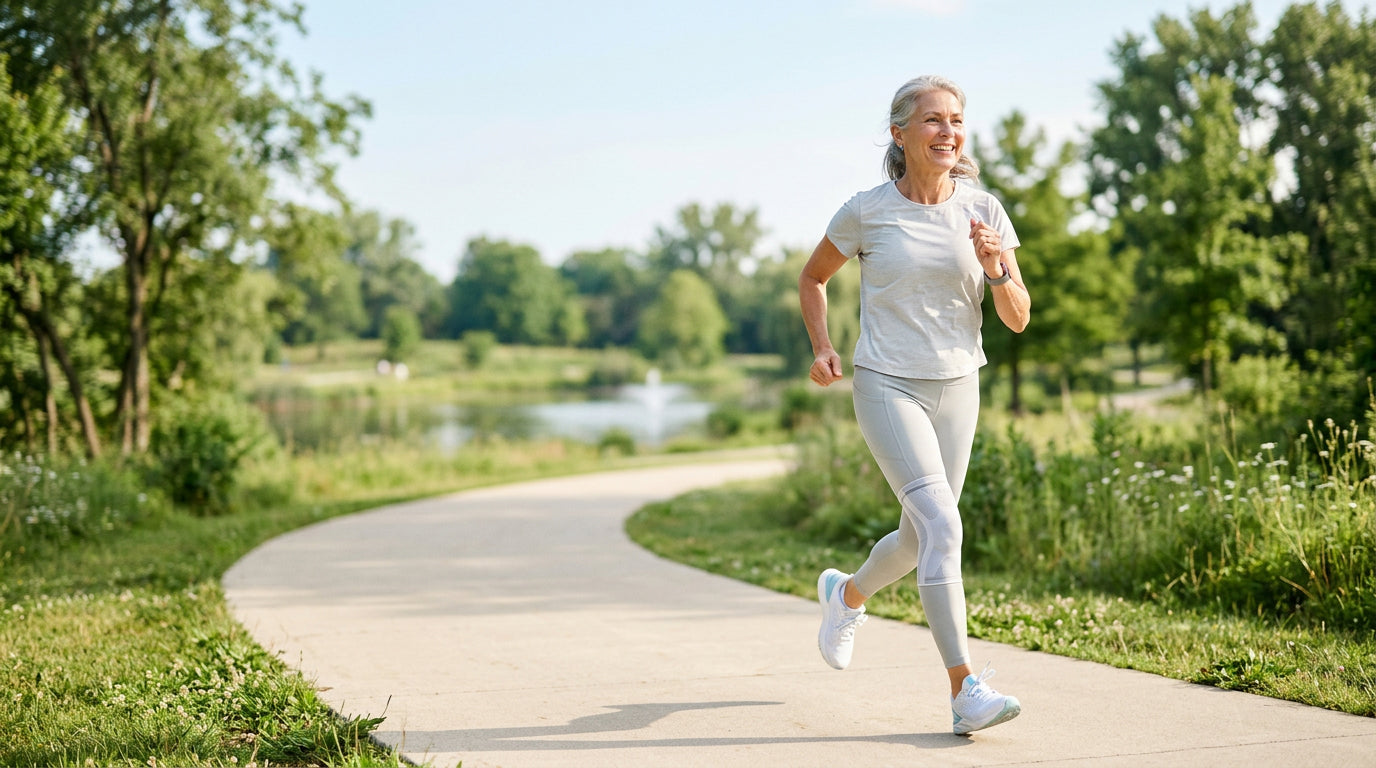
You refuse to let the calendar dictate your activity level. The drive to compete, the joy of movement, and the identity of an athlete are parts of you that don't fade with time. But joint pain, particularly from osteoarthritis, can feel like an unfair opponent, threatening to sideline you from the sports you love.
You’re evaluating solutions, and the world of joint support is confusing. Will a brace actually help, or will it be a bulky, uncomfortable hindrance? How do you choose between a simple sleeve and a more complex hinged support? You need more than a product list; you need a clear strategy.
This guide is built for you—the dedicated older athlete. We’ll cut through the noise and provide a clear framework for selecting the right support, helping you manage pain, enhance stability, and stay in the game for years to come.
The Athlete's Dilemma: Why Your Joint Health is Different
For those who have spent a lifetime pushing their limits, joint wear and tear presents a unique challenge. In fact, research shows that arthritis is significantly more common in former elite athletes, with some studies indicating that issues like knee and hip osteoarthritis are nearly twice as likely compared to the general population. This isn't because exercise is harmful; it's often linked to the high demands and previous injuries that come with sports like running, weightlifting, and tennis.
Your needs go beyond simple pain relief. You're concerned with:
- Performance: How can you maintain your swing, your stride, or your lift without aggravating your joints?
- Stability: How do you prevent the instability that can lead to falls or further injury during dynamic movements?
- Longevity: What choices can you make now to ensure you can stay active for another decade or more?
Age-related changes combined with the specific demands of your sport mean you require a solution that is both supportive and dynamic, allowing for natural movement while protecting vulnerable joints.
Decoding Your Options: Finding the Right Brace for Your Goals
Choosing a brace isn't about finding the one with the most features; it's about matching the right level of support to your specific activity and condition. Let's break down the primary types relevant to active older adults.
Compression Sleeves: For Proactive Support and Mild Pain
Think of compression sleeves as a supportive, second skin for your joint. They work by providing gentle, uniform pressure.
- How They Help: This compression can help reduce swelling, improve blood flow, and enhance proprioception—your brain's awareness of where your joint is in space. This heightened awareness can improve your confidence and stability during less strenuous activities.
- Best For: Athletes with mild arthritis pain, general soreness, or those looking for proactive support during activities like walking, cycling, or light yoga. They are an excellent starting point for managing discomfort without restricting motion. For reliable, all-around support, our compression knee support sleeves offer 360-degree protection with an anti-skid design perfect for active use.
Hinged Braces: For Enhanced Stability in Active Sports
When your sport involves pivoting, side-to-side movements, or you're managing moderate instability, a hinged brace is a significant step up.
- How They Help: These braces feature rigid supports on either side of the knee that help prevent unnatural bending or twisting, which is crucial for protecting ligaments. They provide a much higher level of stability than a simple sleeve while still allowing for a functional range of motion.
- Best For: Tennis, golf, hiking, and other activities where lateral stability is key. They are also ideal for individuals recovering from certain ligament injuries or managing moderate osteoarthritis that causes the knee to feel like it might "give way." A well-designed option like Fivali’s hinged knee braces can provide the confidence you need to move dynamically.
The PROP OA trial provided strong evidence that tailored braces, when used consistently with other management strategies, lead to significant improvements in pain and function. The key is finding the right tool for the job.

Caption: Compare Fivali brace types side-by-side—support level, comfort, and ease-of-use metrics tailored for older athletes to guide faster, confident decisions.
The Fivali Advantage: Engineered for Your Active Longevity
Many older athletes hesitate to use braces because of past experiences. Common complaints like poor fit, skin irritation, and excessive bulkiness lead to low adherence—with some studies showing a 44% dropout rate. We designed our supports to solve these exact problems, ensuring your brace becomes a trusted piece of gear, not a nuisance.
Superior Comfort, Unwavering Support
A brace only works if you wear it. We prioritize all-day comfort with advanced, breathable materials that wick moisture away from your skin. This prevents the heat and irritation that can build up during a long walk or an intense match, allowing you to focus on your performance, not your brace.
Dynamic Stability without Restriction
A common fear is that wearing a brace will weaken your muscles over time. Fivali braces are engineered to provide targeted support only where you need it. Our flexible hinges and strategically placed gel pads stabilize the joint without immobilizing it, encouraging natural muscle activation and preventing atrophy. You get a powerful knee stabilizer that works with your body, not against it.
Designed for Real-World Use
Fumbling with complicated straps is frustrating, especially for those with reduced hand dexterity. Our braces feature intuitive designs and adjustable straps for an effortless on-and-off experience. Plus, we've integrated non-slip silicone grips to solve one of the most persistent issues: we help you keep my knee brace from sliding down, so it stays in place whether you're lunging for a shot or navigating an uneven trail.

Caption: See how Fivali directly addresses the top brace pain points—comfort, fit, and long-term adherence—so older athletes can stay active with confidence.
Your Personalized Game Plan: A Decision Guide for Older Athletes
Use these criteria to confidently select the right brace for your needs.
1. Assess Your Arthritis Severity
- Mild: If you experience occasional aches and minor swelling, a compression sleeve often provides enough support to improve comfort and confidence.
- Moderate to Severe: For more persistent pain, instability, or "bone-on-bone" sensations, a more structured hinged brace is usually necessary to provide adequate stability and pain relief. For these cases, explore our collection designed to provide the best knee brace for bone on bone arthritis.
2. Match the Brace to Your Sport
- Running/Walking: A lightweight compression sleeve or a flexible hinged brace that doesn’t restrict your stride is ideal.
- Golf/Tennis: Prioritize a hinged brace for lateral stability during swings and pivots. Our patella support knee brace design can also offer targeted support around the kneecap.
- Cycling: A compression sleeve is typically sufficient to aid with blood flow and reduce minor soreness.
- Hiking: A hinged brace offers crucial stability for navigating uneven terrain and preventing twists. A sports knee brace with rubber pad can offer extra protection.
3. Get the Perfect Fit
This is the most critical step. A poorly fitting brace is not only ineffective but can also cause skin problems and circulation issues. Measure your leg carefully according to the product's sizing chart. Fivali offers a wide range of sizes, including options to find the best knee brace for large thighs, ensuring a secure and effective fit for every body type.
4. Consider Medical Guidance and Coverage
Always consult with a doctor or physical therapist to confirm the best approach for your condition. It’s also worth noting that as of 2026, Medicare has updated its policy to cover certain unloader braces for osteoarthritis symptoms, a move that validates their medical necessity and can make advanced support more accessible.
Frequently Asked Questions for Senior Athletes
Q1: What type of knee brace is best for an older athlete with arthritis?
A: The best brace depends on your symptoms and activity. For mild pain and swelling, a compression sleeve is a great start. For moderate to severe pain, instability, or sports involving pivoting like tennis or golf, a hinged brace provides the necessary lateral support to protect your joint and give you confidence.
Q2: Will wearing a knee brace make my muscles weaker?
A: This is a common myth. Fivali braces are designed for dynamic support, not immobilization. They stabilize the joint during high-risk movements while allowing your muscles to engage naturally. This prevents atrophy and helps maintain strength by supporting your joint so you can stay active.
Q3: How do I ensure my knee brace fits correctly and doesn't slip?
A: A proper fit is crucial. Always measure your leg according to the sizing chart before ordering. Our braces are designed with adjustable straps and non-slip silicone grips that hold the brace securely in place, even during vigorous activity, so you can focus on your performance without constant readjustments.
Q4: What should I do if my knee feels hot or has a burning sensation?
A: A feeling of warmth can be a normal sign of inflammation from arthritis. However, a distinct burning sensation could indicate something else. It's important to understand the different knee burn causes and treatments. If the sensation is persistent or severe, you should consult with your doctor.
Q5: Can I wear the same knee brace for different sports, like hiking and cycling?
A: It depends. A versatile hinged brace can be excellent for both hiking (providing stability on uneven ground) and lower-impact sports. However, for an activity like cycling where the primary need is blood flow and mild support, a simpler compression sleeve might be more comfortable. Consider the main demands of each sport you play.
Continue Your Legacy with Fivali
Joint pain doesn't have to be the end of your athletic story. With the right support, you can manage your symptoms, protect your joints, and continue to pursue the activities that bring you joy and define who you are. By choosing a brace engineered for the specific demands of an active lifestyle, you're not just buying a product; you're investing in your long-term health and mobility.
Ready to find the perfect support to keep you in the game? Explore the complete Fivali knee brace collection and find the confidence to move without compromise.