Unleashing the Power of Special Functional Fabric: Fivali's Knee Brace
Traversing rugged wilderness trails, descending steep alpine ridges, or competing in intense athletic arenas demands peak physical resilience from the human body. Among the major structural joints, the knee bears the highest mechanical load, absorbing repeated impacts, multi-directional torque, and heavy vertical stress. For dedicated outdoor enthusiasts, trail runners, and competitive athletes in NCAA sports, maintaining joint stability while ensuring thermal comfort is fundamental to continuous peak performance. Advanced textile technology has revolutionized joint support systems. By merging specialized functional fabrics with ergonomic mechanical design, high-performance orthopedic gear now offers exceptional dynamic compression, temperature control, and long-lasting durability without limiting essential range of motion.
The Mechanics of Advanced Textiles in Joint Support
Traditional joint supports constructed from thick neoprene or basic elastic knits often struggle to balance compression with microclimate control. While traditional neoprene provides insulation, it tends to trap heat and perspiration against the skin. Over long miles on mountain trails or through grueling training drills, this trapped moisture creates uncomfortable friction, thermal buildup, and skin chafing.
Modern textile engineering addresses these challenges through engineered synthetic fiber matrices. Continuous-knitting technology integrates specialized micro-porous fibers designed to execute active moisture regulation. Capillary action draws perspiration away from the skin surface to the outer layer of the fabric, where air currents accelerate evaporation. This continuous breathability maintains a balanced microclimate, keeping the knee cool, dry, and comfortable during prolonged physical exertion.
Biomechanical Compression and Swelling Mitigation
Applying targeted external pressure to the patellofemoral region plays a vital role in stabilizing soft tissue structures, including the patella, meniscus, and surrounding ligaments. Uniform circumferential compression supports healthy microcirculation, promoting oxygenated blood delivery to working muscle groups while facilitating efficient fluid turnover.
Through precise dynamic tensioning, technical knit fabrics stabilize joint tracking during movement without restricting vascular flow or natural knee flexion. This calculated compression helps manage localized fluid accumulation and post-activity swelling. Active individuals seeking the best knee brace for knee pain prioritize solutions that deliver continuous, firm structural support without slipping, rolling, or creating pressure points during dynamic leg movement.
Pill-Resistant Textile Construction for Demanding Environments
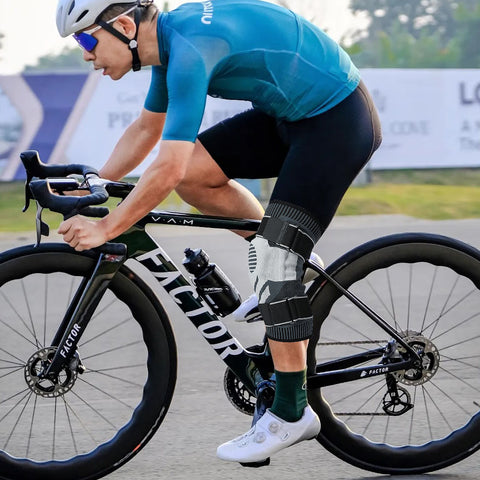
Outdoor exploration and high-impact sports expose athletic gear to harsh conditions. Contact with trail obstacles, rough terrain, Velcro closures, and athletic equipment subjects fabrics to severe surface friction. Standard knit materials under such stress often suffer from pilling—the breaking of surface fibers into small, tangled clusters. Pilling degrades not only the visual aesthetic of the gear but also its elastic tension and tactile smoothness.
Engineered with high-density fiber blends and tight-weave structural patterns, advanced functional fabrics resist surface abrasion even under high-friction conditions. By preserving filament integrity over time, the material retains its structural tension, smooth feel, and refined visual presentation through hundreds of intense training sessions and repeated wash cycles.
Enhanced Stabilization Systems for NCAA Sports and High-Impact Activities
High-level athletic competition, such as rigorous NCAA sports, places extraordinary demands on knee joints through rapid directional changes, sudden pivots, and high-impact landings. Structural support must respond dynamically to shifting kinetic forces without restricting agility or speed.
Integrated stabilization features, including dual multi-point adjustable straps, allow users to fine-tune tension levels based on specific activity requirements. These adjustable mechanisms distribute structural load evenly across the quad and patellar tendons, offering customizable support that minimizes joint wobble during sharp cuts, lateral movements, and steep downhill descents.
Thermal Regulation and Sustained Comfort
Long-distance endurance activities require joint supports that remain comfortable across changing weather conditions and fluctuating exertion levels. Inadequate ventilation leads to localized overheating, causing premature muscle fatigue and skin discomfort.
By combining moisture-wicking synthetic blends with ventilated knit structures, specialized functional fabrics achieve ideal thermal regulation. Excess heat escapes easily while localized warmth is preserved around joint ligaments, maintaining flexibility and preventing stiffness. This microclimate balance ensures comfortable wear throughout day-long backcountry treks or intense multi-match tournaments.
Key Technical Characteristics of High-Performance Support Systems
Evaluating technical features helps identify joint supports capable of delivering sustained stability and durability:
1. Micro-Channel Moisture Management: Breathable synthetic knits pull sweat away from the skin, encouraging rapid evaporation and preventing moisture accumulation.
2. High-Density Anti-Pilling Weave: Abrasion-resistant fibers prevent surface fraying, maintaining elastic recovery and a smooth texture over prolonged use.
3. Multi-Point Adjustable Strapping: Dual adjustable tension straps allow precise pressure customization around patellar tracking pathways.
4. Anatomic Dynamic Compression: Graduated pressure contours support circulation, helping reduce swelling while stabilizing ligament complexes under load.
5. Non-Slip Contour Silhouette: Ergonomically shaped patterns hug joint contours securely, preventing slipping or bunching during deep squats or rapid sprints.
Activity-Specific Performance Benefits
| Activity | Key Challenge | Fabric & Design Solution |
| Trail Running | Downhill joint impact | Shock absorption & non-slip dynamic fit |
| NCAA Athletics | High torque & sharp pivots | Multi-strap adjustable dynamic stability |
| Strength Training | Heavy vertical loads | Patellar alignment & localized warmth |
| Cycling & Running | Friction & sweat buildup | Moisture-wicking knit & anti-chafing weave |
Practical Care Guidelines for Technical Athletic Wear
Maintaining the functional properties of technical fabrics ensures long-lasting support and performance. Selecting the correct size based on precise measurement above and below the joint is essential for optimal compression delivery.
Proper garment maintenance protects elastomeric fibers and surface finishes:
-
Hand Wash or Gentle Machine Cycle: Wash in cool water using mild detergent to keep fiber pores clean. Avoid fabric softeners, as they leave oily residues that block moisture-wicking channels.
-
Air Drying: Lay flat to dry naturally in a shaded area. High heat from tumble dryers can degrade elastic fibers and reduce overall compression strength.
-
Secure Fasteners Before Washing: Close all hook-and-loop straps prior to washing to prevent snags on soft knit surfaces.
Unlocking Potential with Advanced Functional Fabrics
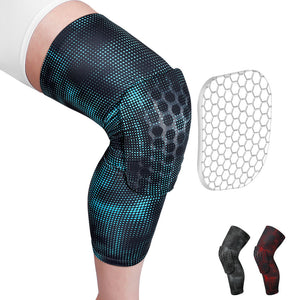
The integration of advanced functional fabrics into modern athletic gear represents a major evolution in joint support and mobility protection. By unifying breathable climate control, pill-resistant fiber durability, and customizable dynamic compression, modern support systems give active individuals the confidence to push boundaries. Equipping active athletes with the best knee brace for knee pain creates a strong foundation for pain-free, resilient performance across mountain trails, athletic courts, and competitive fields. The Fivali Adjustable Running Knee Brace stands as a premier example of how technical textile engineering can transform physical endurance and joint protection.
-
Posted in
Healthy Lifestyle, Joint, Pain, sports