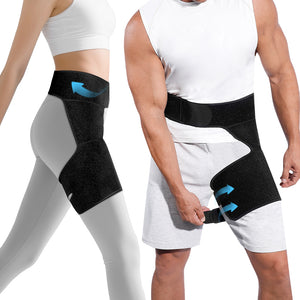
Medial Epicondylitis Brace
- Black
- Grey
- Blue
- Purple
- Pink
- Black
- Dusty Blue
- Blue
- Pink
- White
- Pink
- White
- Yellow
- Purple
- Black
- Black
- Grey
- Grey
- Black
- Blue
- Grey
- Blue
- Black
- Black
- Blue
Is There a Brace for Medial Epicondylitis?
If you are experiencing sharp, throbbing, or aching pain on the inner side of your elbow, you might be dealing with medial epicondylitis. Commonly referred to as golfer's elbow, this condition is characterized by painful inflammation in the tendons that attach your forearm muscles to the bony bump on the inside of your elbow (the medial epicondyle). While the discomfort can be frustrating and limit daily activities, highly effective conservative treatment options are available. One of the most common questions people ask when seeking relief from inner elbow pain is: Can wearing a brace actually help?
The short answer is yes. The right orthopedic support is a proven way to manage symptoms, reduce forearm strain, and speed healing.
Understanding Medial Epicondylitis and Inner Elbow Pain
Before exploring how to treat medial epicondylitis, it is important to understand its triggers. Golfer's elbow occurs from overuse, repetitive strain, or excessive force on the wrist and fingers, which directly affects the forearm muscles. Over time, this repetitive motion leads to microscopic tears in the tendon tissue, resulting in pain, stiffness, and weakness in the hands and wrists.
Despite its nickname, you do not have to be a golfer to develop this condition. It often affects people who do activities that require repetitive gripping, swinging, or lifting. Tennis players, baseball pitchers, weightlifters, manual laborers, painters, and even desk workers who type excessively are all highly prone to developing inner elbow tendonitis.
How a Brace Facilitates Tendonitis Recovery
When the tendons in your arm are inflamed, every grip, twist, or lift can aggravate micro-tears and prolong recovery. This is where targeted compression and stabilization become vital.
A high-quality tennis elbow brace, epicondylitis brace, or elbow support is specifically designed to wrap around the upper forearm, applying strategic pressure just below the elbow joint. This targeted compression acts as a secondary muscle attachment point. By redirecting the tension and force away from the injured medial epicondyle, the brace significantly reduces the strain on your compromised tendons. This stabilization helps limit the muscle movements that exacerbate your pain, giving inflamed tissues the time and rest they need to recover properly.
Choosing the Right Support for Your Lifestyle
When looking for a solution to relieve your repetitive strain injury, consider several factors to get the best possible results. Because every injury varies in severity, finding the ideal elbow strap for medial epicondylitis requires attention to fit, materials, and the level of stabilization it provides.
Prioritizing Comfort and Proper Circulation
Comfort is paramount when selecting joint support. A well-fitting band should apply noticeable pressure to the forearm muscle without feeling restrictive. If a band is worn too tightly, it can disrupt proper blood circulation, leading to numbness or tingling in the fingers. Look for options made from breathable, moisture-wicking fabrics that prevent skin irritation during extended wear. Most top-tier supports come equipped with highly adjustable hook-and-loop straps, giving you full flexibility to customize compression throughout the day.
Determining the Necessary Level of Support
The amount of stabilization you need depends heavily on the severity of your golfer's elbow symptoms.
- Mild to Moderate Pain: For everyday aches and mild stiffness, a targeted compression pad or a simple, lightweight forearm band is usually sufficient. These soft fabric options are excellent for providing localized pressure without restricting your overall range of motion.
- Severe or Chronic Pain: If you are dealing with intense, chronic pain or are recovering from a more severe tendon tear, you might benefit from a more rigid support structure. Extended sleeves with built-in plastic stays or firm compression zones provide greater stability, preventing harmful twisting motions.
Can You Stay Active While Wearing a Brace?
One of the greatest benefits of using an epicondylitis strap is that it helps you maintain an active lifestyle. Total immobilization is rarely recommended for tendon injuries, as it can lead to muscle atrophy and joint stiffness. By stabilizing the joint and absorbing shock that travels up the forearm during physical activity, a brace lets you keep up with low-impact sports, household chores, and work duties with a much lower risk of aggravating the condition.
Comprehensive Treatment Strategies for Optimal Recovery
While a support band is a highly valuable tool for managing discomfort, it should not be the only step in your rehabilitation journey. To achieve optimal, long-lasting recovery from golfer's elbow, it is essential to combine brace usage with a holistic treatment approach:
- Rest and Activity Modification: Take frequent breaks from the repetitive motions that caused the injury.
- Cold Therapy: Apply ice packs to the inner elbow for 15 to 20 minutes several times a day to reduce localized swelling and acute pain.
- Stretching and Strengthening: Engage in targeted physical therapy exercises. Wrist flexor stretches, eccentric wrist curls, and grip-strengthening routines help rebuild tendon resilience.
- Ergonomic Adjustments: Evaluate your workspace or your sports equipment. Upgrading to an ergonomic keyboard or adjusting the grip size on your golf clubs can prevent future strain.