What is Jumper's Knee?
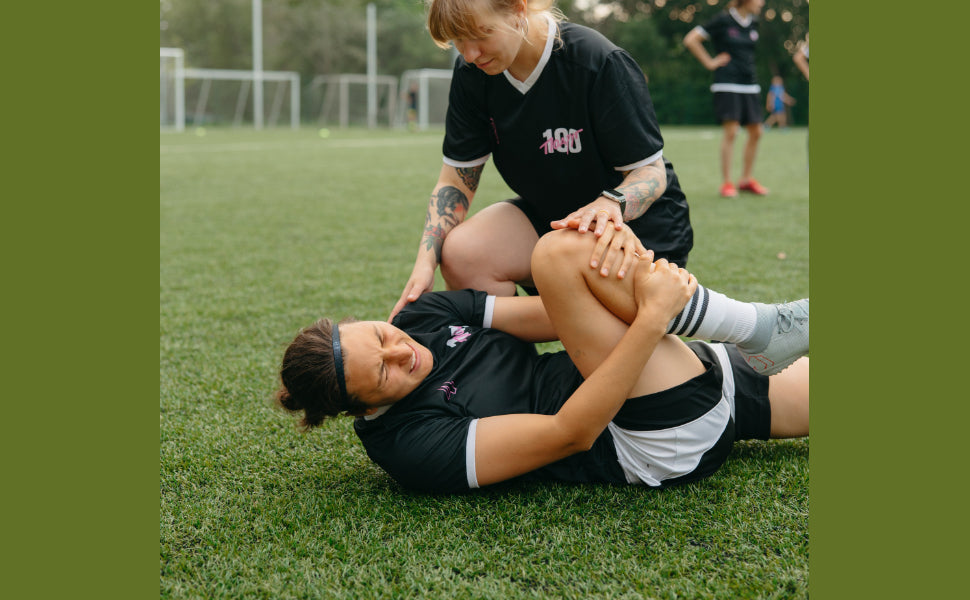
Jumper's knee is a frequent overuse condition of the knee, commonly referred to as patellar tendinopathy or tendinitis. It happens to athletes. This article provides an overview of jumper's knee, including its definition, causes, symptoms, treatment options, and preventive advice. Readers can learn more about jumper's knee and take appropriate precautions to treat and prevent it by understanding the fundamentals of the condition.
fivalifitness.com
Definition
Jumper's knee, also called patellar tendinopathy or tendinitis, is a disorder where the patellar tendon, which attaches the shinbone to the kneecap (patella), becomes inflamed or injured. Athletes who play sports involving jumping and running, such as basketball, volleyball, and soccer, are prone to this overuse condition. Usually brought on by recurrent strain on the patellar tendon, this disorder causes discomfort, stiffness, and functional impairments in the knee joint. Athletes' performance may be affected by jumper's knee, which may require careful management and therapy.
Signs and Symptoms
Jumper's knee symptoms can manifest gradually over time and include the following signs and symptoms:
- Pain: The front of the knee, particularly the area around the patellar tendon, is frequently affected by the jumper's knee. If you continue to exert yourself despite discomfort, it may start mildly and intensify over time.
- Tenderness: There may be a slight bump or swelling in the area surrounding the patellar tendon and tenderness to the touch.
- Stiffness: After extended periods of rest or inactivity, the knee may feel tight and stiff.
- Weakness: The affected leg may become weak due to jumper's knee, potentially impairing sports performance.
- Restricted range of motion: It may be difficult to perform tasks such as running and jumping due to limited knee joint mobility.
- Popping or cracking noises: When moving, some patients with jumper's knee may hear pops or cracks in their knee.
The degree of inflammation or injury might affect how severe the symptoms are. It's critical to seek medical attention if you experience any of these symptoms to identify the underlying cause and determine the best course of action.
Treatment
- Rest: To help the injured tendon heal, it is imperative that the affected knee be rested. Steer clear of activities that make your knee discomfort worse or strain it excessively.
- Ice therapy: Applying ice to the injured area may help reduce discomfort and swelling. Apply ice to the knee for 15 to 20 minutes several times a day, using an ice pack or wrapping ice in a cloth.
- Painkillers: Nonsteroidal anti-inflammatory medicines (NSAIDs) sold over the counter, such as ibuprofen, can help lessen discomfort and inflammation. But before taking any drug, speak with a medical expert.
- Physical therapy: To strengthen the knee's surrounding muscles, increase range of motion, and encourage healing, a physical therapist might offer specific exercises and procedures. They might also use techniques such as electrical stimulation or ultrasonography.
- Patellar tendon strap: By offering support and lessening strain on the tendon during movement, a patellar tendon strap or knee brace can help reduce pain.
- Extracorporeal Shockwave Therapy (ESWT): This treatment may be suggested in certain circumstances. By applying shockwaves to the injured area, this non-invasive treatment promotes healing and lessens discomfort.
- Injections of platelet-rich plasma (PRP): PRP injections encourage tissue regeneration and healing by injecting concentrated platelets derived from your own blood into the injured area.
Consult with a healthcare professional for an accurate diagnosis and personalized treatment plan based on the severity of the jumper's knee.
Prevention
- Gradual training progression: Steer clear of abrupt increases in duration or intensity. As you allow your body to adjust, progressively increase the duration and intensity of your activities.
- Correct warm-up and stretching: To get the muscles and tendons ready for action, warm up properly before working out. This should include dynamic stretching.
- Strengthening exercises: Perform quadriceps, hamstring, and hip-strengthening exercises regularly to improve knee support and stability.
- Cross-training: To reduce knee strain and improve overall fitness, incorporate low-impact activities like cycling or swimming into your training regimen.
- Proper footwear: Wear athletic shoes that provide adequate cushioning and support for your specific sport or activity.
- Appropriate form and technique: To reduce undue strain on the knee joint, use them correctly when playing sports or exercising.
- Pay attention to your body: Keep an eye out for any knee pain or discomfort, and if needed, adjust or cease activities. Ignoring discomfort can make it worse.
fivalifitness.com
Reference
Patellar Tendonitis (Jumper's Knee) | Johns Hopkins Medicine
Jumpers' Knee - StatPearls
How to Diagnose Patellar Tendinopathy | Jumper's Knee Diagnosis
*Disclaimer
The information provided in articles written by Fivali is intended for educational and reference purposes only. The content on this website (www.fivalifitness.com) is not intended to diagnose, treat, cure, or prevent any disease. We do not recommend self-diagnosis or self-treatment based on the information provided in our articles. Always consult a qualified healthcare professional if you have any concerns about your health or well-being.
If you are experiencing any symptoms or discomfort, we strongly encourage you to seek medical attention from a qualified healthcare professional. Only a licensed healthcare practitioner can provide an accurate diagnosis and appropriate treatment plan tailored to your individual needs.
-
Posted in
Brace, Healthy Lifestyle, Joint