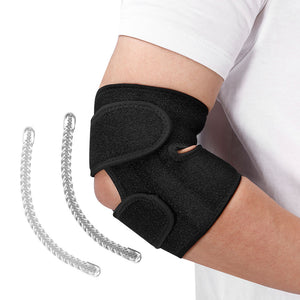
Can a Wrist Brace Help with Tendonitis?

Tendonitis in the wrist is a prevalent condition characterized by inflammation or irritation of the tendons—the thick, fibrous cords that attach muscle to bone. This condition often results from repetitive strain, sudden injury, or age-related degeneration, leading to localized pain, swelling, and a significant reduction in grip strength. When managing this discomfort, one of the most frequently discussed interventions is the use of wrist braces. These orthopedic devices are designed to provide external support, facilitate healing, and prevent further aggravation of the affected tissues.

Mechanical Function of Wrist Support Systems
The primary objective of utilizing a brace is to achieve mechanical stabilization. In the context of tendonitis, the tendons are often overworked or stressed due to improper ergonomics or excessive movement. A brace works by restricting the range of motion of the wrist joint, effectively forcing the tendons into a state of rest.
By holding the wrist in a neutral position, the device minimizes the friction between the tendon and its protective sheath. This reduction in friction is essential for lowering internal temperature and inflammation levels within the wrist capsule. Furthermore, compression provided by modern supports can help manage localized edema, ensuring that swelling does not further compress the median nerve or surrounding vascular structures.
Targeted Relief for De Quervain's Tenosynovitis
While general wrist inflammation is common, specific conditions require specialized bracing strategies. De Quervain's Tenosynovitis is a specific type of tendonitis that affects the tendons on the thumb side of the wrist. This condition makes it particularly painful to turn the wrist, grasp objects, or make a fist.
Standard braces may not be sufficient for this condition because they often leave the thumb free to move. For effective management of this specific ailment, a "thumb spica" brace is required. This variant extends upward to immobilize the lower joints of the thumb, preventing the repetitive "hitchhiker" or "texting" motions that exacerbate the inflammation of the abductor pollicis longus and extensor pollicis brevis tendons.
Design Innovations in Modern Orthotics
The evolution of wearable health technology has led to the development of sophisticated support options. Brands such as Fivali have focused on creating ergonomic designs that balance rigid stabilization with wearer comfort. High-quality wrist braces now utilize breathable, moisture-wicking fabrics that allow for long-term wear without skin irritation.
Material Composition
Contemporary supports often feature a combination of neoprene, nylon, and lightweight metal or plastic splints. The use of perforated materials ensures that heat does not build up excessively, which is a common complaint with older, heavy-duty models.
Adjustability and Customization
The effectiveness of a brace is largely dependent on its fit. Modern designs incorporate multi-strap hook-and-loop systems that allow the user to adjust the level of compression based on their current pain levels. This adjustability is crucial as inflammation fluctuates throughout the recovery process.
✧ Fivali Top Pick

- Sturdy Metal Support Inside
- Detachable Thumb Stabilizer
- Adjustable Compression
- Low-Profile Design for Daily Use
Impact on Occupational and Daily Activities
One of the most significant benefits of using a brace is the ability to maintain a level of functionality while protecting the injury. For individuals whose tendonitis is caused by office work or manual labor, a brace serves as a physical reminder to avoid harmful movements.
-
Keyboard Ergonomics: Braces help maintain the "straight-line" posture required for typing, preventing the wrist from dropping into an extended or flexed position.
-
Lifting Protection: When moving heavy objects, the brace distributes the load across the forearm rather than concentrating the stress on the wrist joint.
-
Nighttime Support: Many individuals unconsciously curl their wrists while sleeping, which can lead to intense morning stiffness. Wearing a brace at night ensures the tendons remain in a neutral, relaxed state for several consecutive hours.
Criteria for Selecting an Effective Brace
Not all wrist supports are created equal. When seeking a solution for tendonitis, certain features are non-negotiable for ensuring a positive outcome.
Anatomical Contouring
A brace should follow the natural curves of the hand and forearm. If a device is too straight or poorly shaped, it can create pressure points that lead to secondary issues, such as skin breakdown or nerve impingement.
Splint Placement
For most types of tendonitis, a palmar splint (on the underside of the wrist) is necessary to prevent the hand from bending forward. Some advanced models also include dorsal splints (on the top) to provide 360-degree stabilization for more severe cases.
Ease of Application
Since tendonitis often affects hand strength, a brace should be easy to put on and take off with one hand. Features like D-ring buckles or elastic sleeves simplify this process significantly.
Potential Limitations of Over-Bracing
While wrist braces are highly effective, their use must be balanced. Dependency on a rigid support system for an indefinite period can lead to unintended consequences.
-
Muscle Atrophy: If a joint is completely immobilized for too long, the surrounding muscles may begin to weaken due to lack of use.
-
Joint Stiffness: Long-term lack of movement can lead to a decrease in the production of synovial fluid, potentially making the joint feel stiff once the brace is removed.
-
False Sense of Security: Users might feel "invincible" while wearing a brace and continue to perform the heavy lifting or repetitive tasks that caused the injury in the first place, leading to a cycle of chronic inflammation.
| Brace Type | Best For | Level of Support |
| Compression Sleeve | Mild strain / Prevention | Low |
| Cock-up Wrist Splint | General Tendonitis / Carpal Tunnel | Moderate to High |
| Thumb Spica | De Quervain's Tenosynovitis | High (Includes thumb) |
| Athletic Wrap | Sport-related support | Variable |
Integration with Physical Therapy
A brace is most effective when used as part of a comprehensive recovery strategy. While the device handles the "rest" component of healing, active recovery is equally important.
-
Tendon Gliding Exercises: These movements help the tendons slide smoothly through their sheaths, preventing adhesions.
-
Eccentric Strengthening: Once the acute pain has subsided, controlled strengthening helps the tendons handle future loads.
-
Range of Motion Drills: Gentle stretching ensures that flexibility is maintained throughout the healing process.
Strategic Recovery Protocols
The timing of brace usage plays a vital role in its efficacy. For acute flare-ups, constant wear for a period of 48 to 72 hours may be recommended to allow the initial inflammation to subside. Following this phase, the user may transition to "functional bracing," where the device is only worn during high-stress activities or during sleep.
Utilizing products from reputable manufacturers like Fivali ensures that the device provides the necessary structural integrity during these critical phases. The goal is to gradually decrease the reliance on the brace as the internal tissues regain their natural strength and resilience.
Summary of Benefits
Integrating wrist braces into a wellness routine offers a multifaceted approach to managing tendonitis. By providing structural support, facilitating the "RICE" (Rest, Ice, Compression, Elevation) method, and preventing harmful movements, these devices serve as a cornerstone of non-invasive recovery. Whether the issue is a general repetitive strain or a specific condition like De Quervain's Tenosynovitis, the right orthotic intervention can significantly alter the trajectory of the healing process.
Through the careful selection of materials and designs that prioritize both stabilization and comfort, individuals can mitigate the debilitating effects of tendonitis. While a brace is not a substitute for a comprehensive ergonomic assessment of one’s workspace or lifestyle, it remains one of the most accessible and effective tools for regaining wrist health and maintaining a pain-free life. Proper utilization, paired with a focus on gradual strengthening, allows the body to repair damaged fibers and return to optimal performance.