Is There a Brace for Sciatica?

Sciatica presents a severe disruption to daily productivity and overall physical comfort, particularly for members of the sedentary population. Desk-bound professionals, long-distance drivers, and individuals who spend hours seated often experience a compounding effect on their lower back and legs. Prolonged sitting increases the mechanical load on the lumbar spine, leading to compressed discs and irritated nerve roots. Finding non-invasive solutions to manage this discomfort is a priority for those looking to maintain focus and efficiency throughout the workday. Orthotic support garments have emerged as popular options, leading many to wonder about the efficacy and design of these structural aids.
The Biomechanical Challenge of Prolonged Sitting
Remaining in a seated position for eight to ten hours a day alters the natural alignment of the human body. When a person sits, the pelvis tilts backward, causing the natural inward curve of the lower back to flatten. This continuous structural flattening places uneven pressure on the intervertebral discs, which can push against the sciatic nerve root.
For a sedentary individual, the muscles supporting the spine—such as the core and gluteal muscle groups—tend to become inactive and fatigued over time. As these muscles weaken, the skeletal system loses its primary source of dynamic stabilization. This lack of support can lead to sudden spasms, numbness, and sharp, radiating pain that travels from the lower back down through the back of the leg. Addressing this issue requires external assistance to restore alignment and alleviate pressure points during long periods of physical inactivity.
Exploring Support Options for Lower Body Nerve Pain
Using an external support garment can provide immediate mechanical feedback to the body. These devices are engineered to limit harmful movements, reduce spinal load, and improve overall seated posture. When searching for a non-invasive tool, finding a specific brace for sciatica can help mitigate the daily physical strain caused by continuous office work or long commutes.
Lumbar Stabilization Belts
Lumbar belts focus primarily on compressing the abdominal cavity and supporting the lower spine. By increasing intra-abdominal pressure, these belts help share the load that would otherwise fall entirely on the lumbar vertebrae. This compression helps prevent slouching and maintains a more neutral spinal alignment while seated.
Sacroiliac Joint Supports
Sacroiliac belts target the pelvic ring rather than the upper lumbar region. These bands are worn low around the hips to stabilize the joints connecting the spine to the pelvis. When the pelvis is stabilized, micro-movements that irritate the sciatic nerve are minimized, offering relief during transitions from sitting to standing.
☆ Fivali Top Picks

- Alleviates Joint Pain and Reduces SI Joint Inflammation
- Lightweight and Breathable Fabric
- Dual Adjustment and Maximum Comfort
- Enhanced Support & Stability
- Daily Support for Active Lifestyles
Combined Hip and Thigh Garments
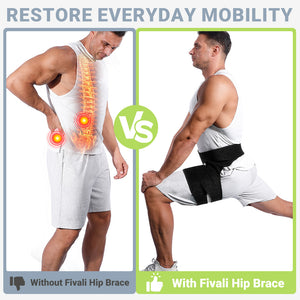
Advanced support designs extend from the waist down to the upper thigh. These devices provide a dual mechanism of action by anchoring the hip joint while applying localized compression to the upper leg muscles. This comprehensive coverage helps stabilize the entire kinetic chain of the lower body.
☆ Fivali Top Picks

- Comprehensive Support for Hip and Thigh Pain
- Breathable, Comfortable, and Durable
- Adjustable Tension for Customized Compression
- Relieves Hip and Groin Pain Effectively
- Helps Improve Hip Alignment and Posture
Efficacy of Lower Extremity Compression Devices
A major point of discussion among individuals suffering from radiating leg discomfort is: do sciatic nerve leg braces work? To understand their function, one must look at how localized compression affects the perception of pain and muscle tension in the lower extremities.
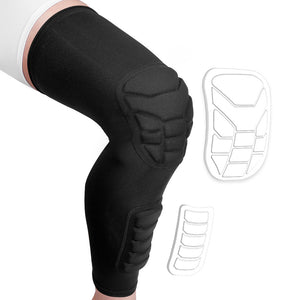
Leg braces designed for nerve discomfort often apply targeted pressure to specific muscular trigger points, such as the upper calf or the hamstring area.
- Proprioceptive Feedback: The continuous pressure against the skin alerts the nervous system, encouraging better body awareness and preventing sudden, jerky movements.
- Gate Control Mechanism: Steady compression stimulates sensory nerves that can help dull or override the pain signals traveling up the sciatic nerve to the brain.
- Muscle Spasm Reduction: By holding the irritated muscle groups firmly in place, the brace reduces the localized micro-spasms that often accompany nerve compression.
While these devices operate away from the root cause in the spine, they are highly valued by sedentary individuals for reducing localized leg throbbing during brief periods of standing or walking.
Mechanical Benefits of Hip Orthotics
Another frequent question raised by those dealing with deep gluteal and pelvic discomfort is: do hip braces work for sciatica? When nerve irritation is compounded by tightness in the piriformis muscle or instability in the hip socket, localized hip stabilization becomes incredibly useful.
Sitting for extended periods causes the hip flexors to shorten and the hip rotators to tighten. A targeted hip garment works by wrapping the pelvic girdle and the upper thigh together, which limits excessive internal rotation and adduction of the hip joint.
- Muscular Decompression: Restricting excessive rotational movement prevents the piriformis muscle from stretching abnormally and compressing the underlying sciatic nerve.
- Pelvic Alignment: Keeping the hip joint securely centered in its socket reduces the uneven distribution of weight across the pelvis when sitting.
- Load Distribution: The brace helps distribute the downward pressure of the upper body more evenly across both hips, preventing one side from absorbing the brunt of the seated impact.
Technical Specifications for Ergonomic Selection
When selecting a high-quality brace for sciatica, it is essential to evaluate the materials and design mechanisms that facilitate long-term comfort in a seated environment.
-
Fabric Breathability and Composition
Sedentary environments require garments that can be worn for several hours without causing skin irritation or overheating. Perforated neoprene, lightweight nylon blends, and moisture-wicking fabrics are ideal because they allow adequate airflow while maintaining necessary compression levels.
-
Tension Adjustability and Strap Systems
A static wrap cannot accommodate the anatomical changes that occur when transitioning between sitting and standing. Effective devices utilize dual-strap systems or secondary tension bands, allowing users to modify the tightness based on their immediate posture and comfort needs.
-
Anatomical Contouring and Fit
The physical efficacy of an orthotic device depends entirely on its ability to stay in place. Contoured edges, anti-slip silicone strips, and ergonomic geometric cuts ensure that the brace conforms closely to the natural curves of the lower back and hips without shifting during movement.
Strategic Selection Criteria for Office Environments
For individuals spending the vast majority of their day at a workstation, choosing a brace for sciatica requires balancing strict structural support with daily wearability. A device that is too rigid will cause discomfort when sitting, while a device that is too loose will fail to provide any mechanical benefit.
- Enhanced Elasticity: Opting for materials that stretch dynamically ensures that the garment moves with the body rather than resisting natural seated adjustments.
- Low-Profile Outlines: Seamless designs that fit discreetly under standard business or casual attire are highly preferred to maintain a professional appearance.
- Easy Application Systems: Wraps that feature intuitive fastening mechanisms allow users to adjust or remove the garment quickly throughout the workday.

Implementation Guidelines for Seated Workers
To maximize the benefits of an external support device, sedentary individuals should integrate the garment into a structured daily routine rather than relying on it continuously. Overusing a brace can lead to a reliance on external support, causing the core and back muscles to weaken over time.
- Targeted Wearing Blocks: Wear the device during the most demanding periods of the day, such as during the peak hours of continuous desk work or during long afternoon commutes.
- Active Posture Interventions: Use the tactile presence of the brace as a reminder to sit up straight, keep the shoulders relaxed, and avoid leaning forward toward the computer monitor.
- Scheduled Movement Intervals: Leverage the temporary reduction in discomfort provided by the brace to stand up every sixty minutes, perform light standing stretches, and walk short distances to promote circulation.
Summary of Orthotic Support Solutions
Managing nerve discomfort while maintaining a sedentary workflow requires effective tools to mitigate daily spinal strain. Utilizing a dedicated brace for sciatica offers a practical, physical method to stabilize the lower back, pelvis, and upper thighs. Whether utilizing a specialized leg wrap to manage radiating symptoms or a pelvic belt to reduce joint inflammation, these orthotic devices provide essential compression and alignment support. When combined with regular movement breaks and ergonomic workstations, high-quality Fivali supportive garments serve as an excellent asset for enhancing comfort, improving sitting posture, and maintaining daily workplace productivity.
-
Posted in
Brace, Hip Injury