Can You Wear a Wrist Brace in Volleyball?
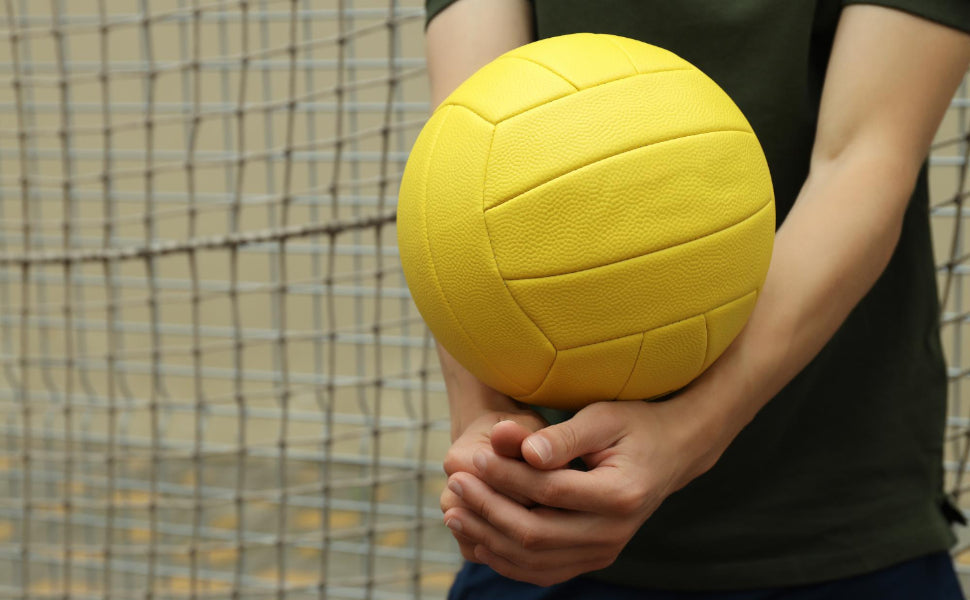
Volleyball is a sport of high impact, rapid movements, and intense physical contact with a fast-moving ball. Whether diving for a dig, setting up a perfect assist, or slamming down a powerful spike, the wrists endure an incredible amount of stress. Over time, this repetitive strain can lead to discomfort, sprains, or chronic pain.
For players dealing with joint instability, the question frequently arises: Can you wear a wrist brace in volleyball? The short answer is yes, but navigating the rules, types of support, and court safety requires a closer look. This comprehensive guide explores everything an athlete needs to know about using a volleyball wrist brace to stay protected while maintaining peak performance.
Official Rules Regarding Wrist Braces in Volleyball
Before packing a brace into a gym bag, understanding the legalities of the game is essential. Governing bodies such as USA Volleyball (USAV), the NCAA, and the International Volleyball Federation (FIVB) have strict guidelines regarding player equipment to ensure fairness and prevent injuries to other competitors.
Permitted Materials and Safety Standards
The primary concern for referees is whether a sports wrist support poses a danger to opponents or the wearer.
-
Soft Braces: Braces made entirely of neoprene, elastic, or nylon are universally permitted. These materials compress the joint without presenting hard edges that could scratch or bruise another player during a net joust.
-
Hard Components: Braces containing exposed metal plastics, or fiberglass splints are generally prohibited unless they are completely covered. If a player must wear a rigid brace for medical reasons, it typically needs to be padded with dense foam and approved by the head referee before the match begins.
Referee Discretion and Inspection
Even if a volleyball wrist brace meets standard requirements, the ultimate decision rests with the officiating crew. Players should approach the referees during pre-match warm-ups to have their gear inspected. If a brace features exposed Velcro straps that could snag the net or sharp plastic buckles, a referee may request that the player wrap athletic tape over the problematic areas.
Benefits of Using a Volleyball Wrist Brace
When recovering from an injury or dealing with chronic joint laxity, adding extra structural support can make a significant difference in how an athlete performs on the court.
Enhanced Joint Stability
The wrist joint moves in multiple directions, making it highly versatile but also vulnerable to hyperextension. A properly fitted brace limits excessive backward or forward bending during high-velocity impacts, such as blocking a heavy hit from an opposing attacker.
Pain Reduction and Compression
Compression is a proven method for managing swelling and localized discomfort. A high-quality sports wrist wrap stimulates blood flow to the area, which keeps the muscles warm and responsive. This increased circulation accelerates recovery times between intense sets and tournament days.
Proprioception and Confidence
Wearing a brace provides tactile feedback, increasing a player's awareness of their joint positioning (proprioception). When an athlete feels secure, they can focus entirely on their defensive positioning and transition movements rather than worrying about re-injuring themselves.
How Different Volleyball Positions are Affected
The impact of wearing a brace depends heavily on the specific responsibilities of a player's position. Because volleyball requires fine motor control, balancing support with flexibility is crucial.
Setters
Setters require maximum finger and wrist dexterity to redirect the ball cleanly without committing a double-contact fault.
-
A rigid brace is highly impractical for this position.
-
Setters generally prefer minimalist, low-profile sleeves that offer warmth and light compression without restricting the rapid wrist flick needed for backsets or jump sets.
☆ Fivali Top Picks

- Thumb Decompression Strap
- Soft and Comfortable Fabric
- Multiple Wrapping
- Easy to Wear
Hitters and Blockers
Outside hitters, opposites, and middle blockers experience massive forces when contacting the ball at the apex of their jump.
-
Blockers frequently suffer from hyperextension when the ball deflects off their hands.
-
A sturdier volleyball wrist brace provides the structural integrity needed to withstand a powerful spike, ensuring the joint does not bend backward under pressure.
☆ Fivali Top Picks

- Aluminum Plate Support
- Replaceable Resin Support Strip
- Detachable Compression Strap
- Breathable Mesh Fabric
Liberos and Defensive Specialists
Defensive players spend their time diving on the hardwood and taking the brunt of hard-driven serves.
-
A brace for a libero must be durable enough to slide across the floor without tearing or shifting out of place.
-
It must also allow enough flexibility for the player to lock their forearms together to form a perfect passing platform.
☆ Fivali Top Picks

- Relieve Wrist Pain
- Stable and Protect Your Wrist
- Dual Compression Straps
- High Quality Springs for Support
Key Features to Look For in a Sports Wrist Support
Choosing the wrong gear can hinder performance or fail to provide adequate protection. Athletes should evaluate several specific design factors before making a purchase.
| Feature | What to Look For | Why it Matters |
| Material | Neoprene, nylon, or breathable spandex blends | Ensures moisture-wicking and comfort during long matches. |
| Closure System | Heavy-duty, adjustable Velcro straps | Allows the player to customize the level of compression. |
| Profile | Sleek, slim-fitting design without bulky buckles | Prevents the ball from deflecting at unpredictable angles. |
| Flexibility | Semi-rigid or flexible support structure | Balances injury protection with the natural range of motion. |
Breathability and Moisture Management
Volleyball is an intense aerobic sport played in indoor gymnasiums that can get incredibly warm. A brace that traps sweat will quickly become heavy, uncomfortable, and prone to slipping. Opt for designs featuring perforated materials or moisture-wicking technology to keep the skin dry.
Adjustable Tension
The ideal sports wrist wrap allows the user to tighten the support during active play and loosen it while resting on the bench. Dual-strap systems are excellent for this, as they allow targeted tension over the carpal bones without cutting off circulation to the fingers.
Durability and Maintenance
Because volleyball players frequently contact the floor, the gear must withstand significant abrasion. Reinforced stitching along the edges prevents fraying, while washable fabrics ensure the brace can be cleaned regularly to eliminate odor-causing bacteria. Brands like Fivali design athletic supports that balance this necessary durability with a lightweight feel, ensuring players stay comfortable through extended tournament weekends.
Alternative Solutions for Wrist Protection
If a traditional brace feels too restrictive or fails to meet tournament regulations, athletes have other viable options to safeguard their joints.
Kinesiology Tape
Kinesiology tape (KT tape) is highly favored by modern athletes because it offers targeted support without adding any bulk.
-
It is applied directly to the skin along the ligaments.
-
It provides dynamic support, meaning it stabilizes the joint only when it approaches dangerous angles of extension.
-
It is completely legal under all volleyball rulesets since it consists solely of fabric and adhesive.
Traditional Rigid Athletic Taping
A classic "wrist tape job" using non-elastic white athletic tape is a staple in competitive volleyball. By wrapping the tape directly around the carpal bones, players can create a highly rigid barrier against hyperextension. The downside is that tape loses its structural integrity as it gets wet with sweat, requiring reapplication during long matches.
Padded Sleeves
Some brands offer forearm sleeves that extend down to the base of the hand, featuring built-in foam padding. While these are primarily designed to cushion the impact of passing, they provide a mild amount of compression and warmth to the joint, which can help mitigate minor aches.
Practices for Maintaining On-Court Performance
Wearing a brace should not mean compromising on technique or safety. Following a few practical steps ensures that the equipment aids performance rather than hindering it.
Consistent Warm-Ups
An external support should never replace a proper physical warm-up. Before putting on a brace, players should engage in dynamic stretching, wrist circles, and light passing to ensure the muscles and tendons are fully activated.
Proper Placement and Fit
A brace that is riding too high on the hand can interfere with ball contact, leading to poor ball control or unintended ball rotation. Ensure the brace sits securely around the base of the palm, leaving the fingers and upper hand completely free to manipulate the ball.
Balancing Strength Training
Relying entirely on a brace for long periods can lead to muscle atrophy in the forearm and wrist. Players should incorporate targeted resistance training, such as wrist curls and grip strength exercises, into their off-court routines to build long-term joint resilience.

Summary of Wrist Support Options
To help choose the right setup, the options can be summarized by their primary attributes:
-
Flexible Neoprene Sleeves: Best for minor soreness, warmth, and maximum freedom of movement. Highly recommended for setters.
-
Adjustable Strap Braces: Ideal for moderate sprains and blocking stability. Best for hitters and middle blockers.
-
Athletic/Kinesiology Tape: The most customizable, low-profile option, preferred by high-level competitive athletes who want zero interference with ball contact.
Ultimately, protecting the wrists is vital for longevity in volleyball. By selecting a legal, high-performance option that aligns with positional demands, athletes can take the court with confidence, protect their bodies from repetitive impact, and keep executing precise plays game after game.
-
Posted in
sports, Wrist Injury