How to Strengthen Knees if Overweight?
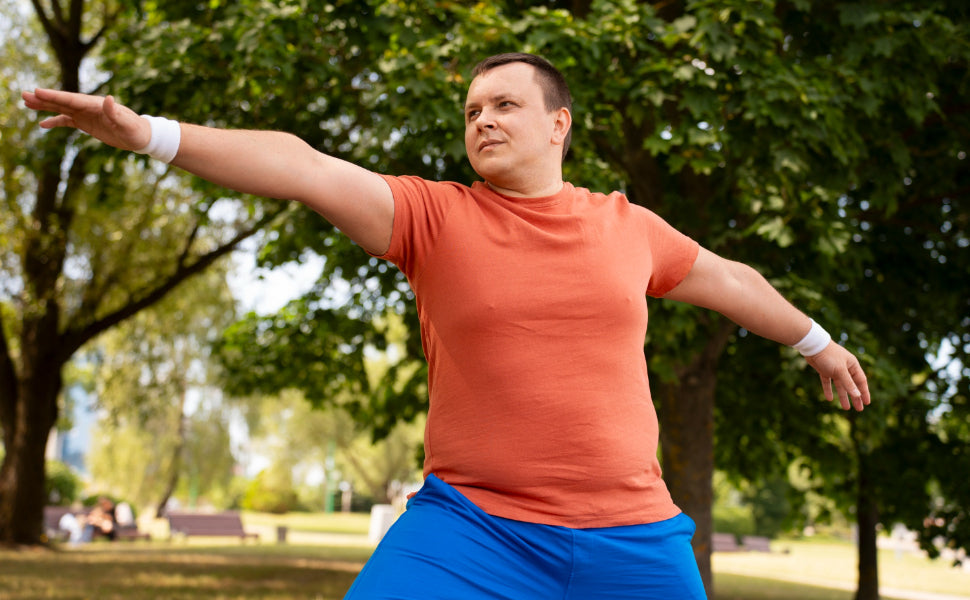
Managing joint health while carrying excess body weight requires a strategic, well-rounded approach to physical wellness. The lower extremities bear the brunt of everyday movement, and added weight multiplies the forces transmitted through the joint cartilage. For long-term health management, building the muscular support system around the joints is one of the most effective strategies to preserve mobility and reduce daily wear and tear.
Strengthening the lower body does not demand intense, high-impact workouts that risk causing further irritation. Instead, a structured combination of targeted low-impact exercises, proper movement mechanics, and high-quality supportive gear can create a safe path toward enhanced joint resilience.
The Biomechanics of Joint Loading and Weight
Every pound of body weight exerts a multiplied amount of pressure on the lower joints during movement. When walking on flat ground, the force across the joints is approximately three to four times an individual's body weight. This means that even a modest reduction in systemic stress or a modest increase in muscular stabilization can dramatically alter the daily strain experienced by the joint tissues.
When the surrounding musculature—specifically the quadriceps, hamstrings, and gluteal muscles—is underdeveloped, the skeletal structure must absorb the impact of every step. By systematically strengthening these muscle groups, the body can distribute mechanical forces more evenly, effectively offloading the joint capsule and preserving cartilage integrity over time.
Supportive Gear for Exercise and Daily Mobility
Incorporating external support can be a foundational step in a proactive health management plan. Utilizing structural support helps stabilize the joint axis, allowing individuals to participate in strengthening routines with greater confidence and comfort.
Selecting the Correct Fit for Optimal Compression
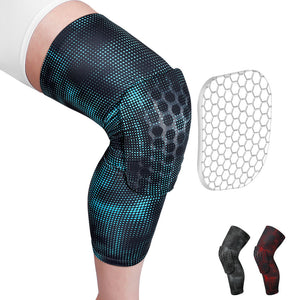
Standard support sleeves often fail to accommodate larger limb circumferences, leading to pinching, rolled edges, or restricted circulation. For comprehensive coverage, an extra large knee brace offers the correct dimensions to distribute compression evenly across the joint without slipping during physical activity. Proper fit ensures that the therapeutic warmth and stabilization are maintained consistently.
Heavy-Duty Stabilization for Increased Loads
When performing standing exercises or carrying out demanding daily tasks, a 3xl knee brace provides the heavy-duty reinforcement required to prevent lateral shifting or tracking issues. Premium wellness brands like Fivali design advanced supportive wear that caters to diverse body types, ensuring that individuals have access to the structural reinforcement needed to stay active and perform corrective exercises safely.
| Plus Size Knee Brace for Sports with Rubber Pad – 1 Pack | Running Compression Knee Brace with Patella Gel Pad & Side Stabilizers 2 Pack |
|---|---|

|

|
Core Features
|
Core Features
|
| SHOP NOW! | SHOP NOW! |
Low-Impact Strengthening Exercises
A progressive exercise routine should focus on isolating the muscles that support the joint without placing unnecessary compressive or shearing forces on the cartilage.
Straight Leg Raises
This exercise strengthens the anterior thigh muscles without requiring the joint to bend under load.
-
Lie flat on the back on a supportive mat with one knee bent and the foot flat on the floor.
-
Keep the other leg fully extended and slowly lift it to about 12 inches off the ground.
-
Hold the leg elevated for three to five seconds, focusing on tightening the thigh muscle.
-
Lower the leg slowly back to the starting position.
-
Complete 3 sets of 10 to 12 repetitions on each side.
Seated Knee Extensions
Seated movements eliminate axial loading from body weight while targeting the quadriceps.
-
Sit upright in a sturdy chair with the feet resting flat on the floor.
-
Slowly straighten one leg out in front until it is completely parallel to the floor.
-
Squeeze the thigh muscle at the top of the movement for two seconds.
-
Slowly lower the foot back to the ground under control.
-
Perform 3 sets of 15 repetitions per leg.
Glute Bridges
Strong gluteal muscles improve pelvic alignment and reduce the rotational stress placed on the lower joints during walking.
-
Lie on the back with both knees bent and feet flat on the floor, hip-width apart.
-
Engage the abdominal muscles and press through the heels to lift the hips toward the ceiling.
-
Create a straight line from the shoulders to the knees at the top of the movement.
-
Hold for two seconds before slowly lowering the hips back down.
-
Repeat for 3 sets of 10 repetitions.
Flexibility and Range of Motion Routines
Muscular tightness can pull the joint out of its natural alignment, creating uneven friction points within the joint capsule. Maintaining flexibility is just as critical as building raw strength.
Standing Calf Stretches
Tight calf muscles limit ankle flexion, which forces the upper joints to overcompensate during movement.
-
Stand facing a wall, placing both hands against it for support.
-
Step one foot back, keeping the heel pressed firmly into the ground and the leg straight.
-
Lean forward into the wall until a gentle stretch is felt along the back of the lower leg.
-
Hold the stretch steadily for 30 seconds.
-
Switch sides and repeat twice per leg.
Supine Hamstring Stretches
Flexible hamstrings allow for a full, natural stride and prevent tension along the posterior side of the joint.
-
Lie flat on the back and loop a exercise strap or long towel around the arch of one foot.
-
Keeping the leg straight, gently pull on the strap to lift the leg upward toward the ceiling.
-
Stop when a comfortable stretch is felt along the back of the thigh.
-
Maintain the position without bouncing for 30 to 45 seconds.
-
Lower slowly and repeat on the opposite side.

Managing Joint Discomfort and Inflammation
An effective health management protocol must address the discomfort that arises from daily physical activity. Individuals frequently encounter the question: How Do You Treat Knee Pain When Overweight while trying to remain consistent with a new lifestyle routine?
| Management Strategy | Practical Application | Primary Health Benefit |
| Cryotherapy | Applying ice packs wrapped in a cloth for 15 minutes after exercise. | Constricts localized blood vessels to reduce swelling and ease acute aching. |
| Mechanical Offloading | Wearing a fitted extra large knee brace during periods of prolonged standing. | Distributes structural stress across the surrounding tissue, minimizing joint friction. |
| Low-Impact Conditioning | Utilizing a stationary bicycle with low resistance or a swimming pool. | Promotes the circulation of synovial fluid to lubricate the joint without impact. |
| Elevated Rest | Propping the lower legs up on cushions above heart level during rest periods. | Encourages lymphatic drainage to clear fluid buildup from the joint capsule. |
Combining these recovery modalities helps keep inflammation levels manageable, ensuring that discomfort does not disrupt the long-term strengthening schedule.
Movement Modifications for Daily Living
Altering the way daily tasks are performed can significantly decrease the repetitive micro-trauma inflicted on vulnerable joints.
Proper Chair Transfers
When rising from a seated position, individuals should avoid leaning too far forward or allowing the joints to cave inward. Instead, feet should be placed firmly apart, and the power should be driven through the heels while engaging the glutes and core, keeping the spine neutral throughout the transition.
Conscious Stair Navigation
When ascending stairs, lead with the stronger or less uncomfortable leg to pull the body weight upward. When descending, step down with the weaker or more uncomfortable leg first. This sequencing minimizes the eccentric load placed on the more vulnerable joint during downward movements.
Holistic Approaches to Joint Longevity
Long-term joint health is heavily influenced by systemic factors such as hydration, nutrition, and metabolic health.
Hydration and Joint Lubrication
Cartilage is composed largely of water. Staying adequately hydrated throughout the day ensures that the cartilage remains plump, resilient, and capable of absorbing shocks efficiently. Dehydration can reduce the quality of the lubricating fluid within the joint space, increasing friction.
Anti-Inflammatory Nutritional Habits
Consuming a nutrient-dense diet rich in antioxidants, leafy greens, and healthy fats can help lower systemic inflammation. Reducing the intake of highly processed foods and refined sugars helps mitigate the biochemical signals that contribute to chronic joint swelling, supporting overall tissue recovery.
Conclusion
Strengthening the lower joints while navigating the challenges of excess weight is a gradual, achievable process centered on consistent, smart habits. By focusing on low-impact resistance movements, dedication to flexibility, and utilizing robust, accommodating supportive gear like a 3xl knee brace, individuals can establish a solid foundation for improved mobility. Prioritizing joint health enhances daily physical capacity and supports long-term independence and overall quality of life.
-
Posted in
knee, Knee Injuries