Do Compression Shirts Help with Shoulder Pain?

Shoulder discomfort affects millions of office workers, desk-bound professionals, and active individuals every day. Extended desk sessions, repetitive computer tasks, and improper posture often strain the subtle network of muscles around the rotator cuff and upper back. While standard compression garments are frequently discussed for general tightness, workers seeking direct joint alignment, targeted tension control, and active relief often find that specialized protective braces offer a far superior support strategy.
Modern Office Ergonomics and Upper Body Strain
Sitting before computer monitors for consecutive hours frequently leads to postural fatigue. The natural inward curve of the neck flattens, shoulders roll forward, and thoracic spinal alignment weakens. Over time, these daily physical habits create lingering tension and stiffness across the entire upper body region.
- Postural Overuse and Muscular Fatigue: Desk-bound environments require prolonged isometric contraction of the upper trapezius and levator scapulae muscles. Constant typing, mouse navigation, and handheld device usage reduce natural joint movement. This lack of fluid movement limits active oxygen exchange within muscular tissue, leaving workers susceptible to chronic upper body tightness, impingement symptoms, and lingering discomfort after long workdays.
- Limitations of General Base Layers: General elastic shirts provide mild surface contact, but they often lack the structural integrity required to counteract severe joint strain or chronic postural collapse. Restoring functional alignment demands engineered dynamic pressure that specifically stabilizes the shoulder girdle rather than just hugging the skin.
Why Targeted Protective Gear Outperforms Standard Apparel
While light tops offer basic warmth, specialized structural support devices deliver focused tension that directly addresses joint mechanics and muscular strain.
Structural Joint Stabilization
Unlike flexible everyday shirts, dedicated orthopedic supports integrate reinforced paneling to hold the shoulder joint securely within its optimal anatomical position. This structural guidance prevents dangerous internal rotation during long desk hours, actively reducing stress on inflammation-prone tendons.
Focused Compression and Tissue Relief
Targeted supportive gear focuses mechanical pressure directly where localized swelling and tissue fatigue occur. By concentrating dynamic force around the acromioclavicular and rotator cuff zones, specialized supports encourage localized microcirculation while preventing unwanted joint displacement.
Adjustable Tension Control
A major limitation of compression clothing is fixed elastic tension, which cannot adapt to varying discomfort levels. Engineered protective braces feature custom strapping systems, allowing wearers to increase or decrease mechanical support based on immediate activity levels or daily physical strain.

Choosing the Right Support Strategy
Selecting effective relief gear depends on matching product capabilities to specific daily demands, workplace environments, and physical exertion levels.
| Support Category | Functional Purpose | Daily Wearability |
| Lightweight Base Shirts | Light surface warmth and mild contact | Casual background wear |
| Specialized Dynamic Braces | Targeted joint stabilization and realignment | Focused workplace and workout support |
Advanced Solutions for Dual Shoulder Relief
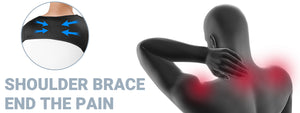
For professionals experiencing bilateral tension across the upper back and both arms, lightweight garments often fall short. A high-quality double shoulder brace applies balanced, dual-sided tension to pull both shoulders back into correct alignment simultaneously. Utilizing a flexible double shoulder brace ensures both joints remain fully supported during long computer sessions, preventing compensatory strain on one side.
Heavy-Duty Joint Realignment
When daily office fatigue compounds into persistent soreness, structured intervention becomes necessary. Implementing a durable double shoulder brace stabilizes the thoracic spine while restricting harmful slouching movements. This targeted reinforcement maintains joint integrity far more effectively than standard stretch fabric, offering reliable day-long stability.
For standard workplace routine and daily movement, choosing engineered supports guarantees proper alignment without compromising overall posture.
Integrating Supportive Braces into Active Lifestyles
Upper body support transitions effortlessly from sedentary computer work to after-hours fitness, athletic conditioning, and active weekend routines.
Workplace-to-Gym Transition:
Active professionals often head straight from office environments to fitness centers, running tracks, or recreation courts. Wearing a versatile shoulder compression sleeve for sports helps maintain elevated muscle temperatures and steady circulation during warm-up sequences. This pre-workout warmth reduces tissue stiffness gained from hours of sitting, making athletic movements smoother and safer.
Support During High-Impact Training:
Engaging in high-intensity exercise or repetitive overhead throwing movements places heavy stress on shoulder tendons. Utilizing a flexible shoulder compression sleeve for sports stabilizes localized soft tissue during rapid direction changes or heavy lifts. The targeted compression keeps underlying joint tissue warm, reduces post-exercise swelling, and assists in consistent power delivery across training sessions.
Textile Innovations in Performance Wear:
Leading protective gear designs incorporate advanced moisture-wicking synthetic fibers, adjustable hook-and-loop fasteners, and ergonomic contours. Premium supportive brands, such as Fivali, focus on engineered brace structures that adapt to active body movements while delivering reliable joint protection. High-performance material blends keep wearers dry, cool, and supported through long corporate shifts and demanding workouts alike.
Essential Factors When Choosing Protective Braces
To achieve optimal comfort and functional benefits, selecting correct sizing, material composition, and design features remains essential.
Proper Fit and Mechanical Tension
Protective gear must fit securely around the torso and arms without causing numbness, skin irritation, or restricted breathing. Excessively tight straps can impede venous blood flow, counteracting the intended physiological benefits. Choosing accurate sizing based on chest circumference ensures optimal mechanical tension.
Climate Control and Fabric Breathability
Office populations require garments that regulate temperature inside air-conditioned or climate-controlled environments. High-quality synthetic blends, such as nylon, spandex, and neoprene, provide excellent breathability and moisture control. Anti-odor treatments and flatlock stitching prevent chafing during continuous eight-hour workdays.
While targeted braces provide essential structural support, they function best alongside healthy office routines. Incorporating frequent movement breaks, adjusting desk monitor heights, performing doorway chest stretches, and strengthening upper back muscles ensures long-term structural alignment and sustainable joint health.
Core Takeaways for Optimal Shoulder Comfort
While standard compression shirts offer light base coverage, specialized protective braces provide the structural stabilization and targeted tension needed to manage real shoulder discomfort. By boosting surface circulation, enforcing postural alignment, and restricting harmful joint strain, engineered supports help corporate professionals navigate demanding work hours and active lifestyles safely. Combining quality protective gear with proper workspace ergonomics, regular physical movement, and targeted supportive habit provides a comprehensive approach to maintaining healthy, painless shoulders throughout any career.
-
Posted in
Shoulder pain