Do You Need a Knee Brace After Meniscus Surgery?
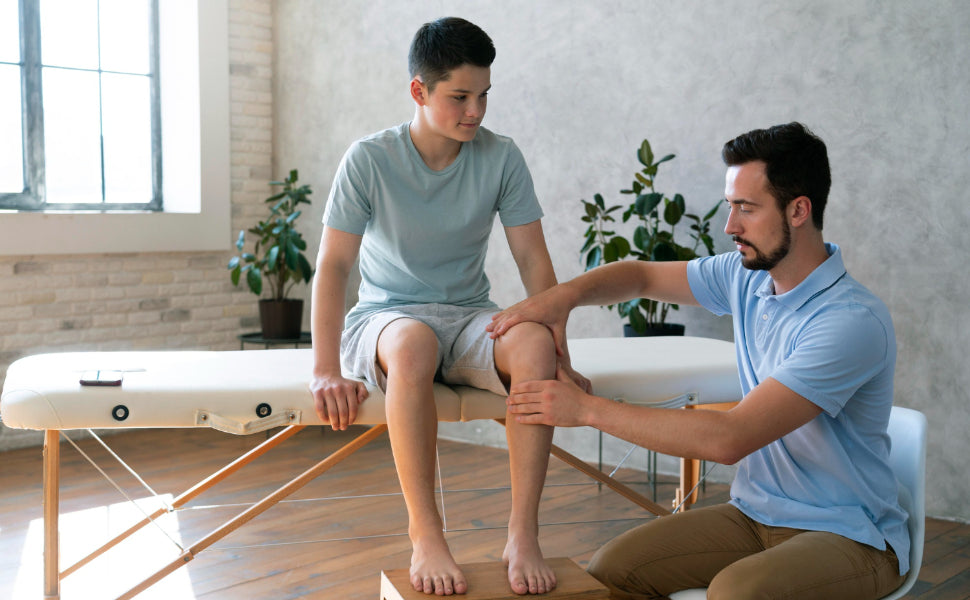
Meniscus surgery is one of the most common orthopedic procedures performed to restore joint function and alleviate deep knee pain. Whether an orthopedic surgeon performs a meniscectomy to trim torn cartilage or a meniscus repair to sew the tissue back together, the post-operative recovery period requires careful protection. During early rehabilitation, many patients wonder if wearing a supportive device is mandatory to safeguard their healing joint. Understanding the physical mechanics of recovery helps clarify whether post-surgical bracing is necessary for your specific surgical protocol.
Purpose of Post-Surgical Support Devices
Medical braces serve precise biomechanical purposes during orthopedic rehabilitation. Following joint surgery, surrounding tissues experience trauma, inflammation, and localized muscular inhibition. External support devices step in to manage these physical vulnerabilities.
Restricting Harmful Ranges of Motion
After a meniscus repair, pristine sutures hold delicate cartilage edges together while new tissue forms. Bending the knee past specific degree thresholds places extreme shear forces on these healing margins. A controlled orthopedic support limits deep flexion and prevents rotation, ensuring that normal movement does not compromise surgical repairs.
Controlling Joint Stability and Weight Distribution
Swelling and surgical trauma temporarily deactivate the quadriceps muscle group. Without strong muscular support, the knee joint becomes prone to micro-instability or sudden buckling. External bracing acts as a structural scaffold, distributing vertical loads evenly across the tibial plateau and stabilizing the joint during early weight-bearing activities.
Managing Soft Tissue Protection and Alignment
Ligaments and tendons around the knee often contract or experience secondary strain following surgical intervention. Maintaining proper alignment prevents abnormal tracking of the patella and reduces excess pressure on the meniscus. Utilizing a specialized knee brace for acl injuries or meniscal protection ensures the joint stays in a centered, biomechanically neutral position during movement.
Types of Support Used in Knee Rehabilitation
Different post-surgical phases require distinct levels of structural rigidity and functional support. Physical rehabilitation protocols typically transition through specific device categories as strength returns.
Rigid Post-Operative Hinged Braces
Immediately following complex meniscus repairs, patients are often fitted with rigid hinged devices featuring adjustable dials. These mechanical hinges allow therapists to lock the joint at zero degrees of extension or gradually open allowable degrees of flexion as tissue healing progresses over several weeks.
Functional Hinged Braces for Active Recovery
As basic range of motion returns and weight-bearing capability improves, rehabilitation transitions toward functional support. These sleeker devices combine dynamic side hinges with targeted compression sleeves. They provide lateral stability against valgus and varus stress while offering enough flexibility for controlled gait training.
Compression Sleeves and Soft Supports
In the final stages of physical therapy, rigid structures are phased out in favor of elastic compression sleeves. High-grade knit supports, such as those designed by Fivali, deliver mild warmth and targeted compression. This gentle pressure enhances proprioception—the body's awareness of joint positioning—and helps control lingering post-activity swelling.

- High Stretchy Compression Fabric
- Double Non-Slip Gel Strips
- Spring Knee Support Technology
- Contoured Patella Gel Pad Around Your Kneecap
Key Factors That Determine Bracing Requirements
Not every meniscus surgery requires the exact same external support protocol. Rehabilitation timelines and device requirements depend heavily on specific surgical and structural variables.
Meniscus Repair versus Partial Meniscectomy
The specific procedure dictates the structural protection needed:
-
Meniscus Repair: Sutures require strict protection against shear forces. Patients almost always require locked hinged support and limited weight-bearing for four to six weeks.
-
Partial Meniscectomy: Damaged tissue is trimmed rather than sewn. Because there is no suture line to protect, structural bracing is rarely required, and early weight-bearing is encouraged.
Concomitant Ligament Reconstruction
When meniscus damage occurs alongside anterior cruciate ligament tears, joint stability is severely compromised. Rehabilitation plans must simultaneously protect both soft tissue repairs. Therapists often recommend a specialized knee brace for acl injuries that integrates rotational control alongside flexion limits to shield both the newly reconstructed ligament and the meniscus during recovery.
Pre-Existing Joint Health and Alignment
Patients with underlying osteoarthritis, joint laxity, or mechanical alignment issues face higher risks of post-operative instability. External support helps unload damaged compartmental areas, preventing premature wear on remaining cartilage during everyday movement.

Rest and Sleep Considerations During Recovery
Managing comfort and structural safety during sleep presents a major challenge for individuals recovering from lower limb and spinal procedures. Proper alignment must be maintained around the clock to ensure optimal tissue healing.
Nocturnal Protection for Healing Joints
Movement during sleep is completely subconscious. Sudden twisting, leg crossing, or sudden muscle spasms can stretch delicate repair sites. For the first few weeks following meniscus repair, wearing a prescribed locked hinged brace to sleep prevents accidental twisting or hyperflexion.
Postural Alignment and Secondary Support Devices
Body mechanics during sleep affect the entire kinetic chain from the lower back down to the ankle joint. Patients recovering from complex physical conditions sometimes utilize multiple support systems to keep their spine and lower extremities aligned:
-
Lower Extremity Elevation: Placing pillows under the calf maintains neutral extension and reduces nocturnal fluid accumulation.
-
Spinal and Core Stability: Individuals managing concomitant lower back strain often wonder should you sleep with a back brace on during recovery. While full-body bracing during rest can cause muscle stiffness, utilizing specialized lumbar support cushions or short-term stabilizing wraps under therapist guidance helps keep the pelvis and spine aligned, preventing compensatory lumbar pain during bed rest.
-
Side-Sleeping Spacers: Placing a firm contour pillow between the knees prevents internal leg rotation and reduces lateral stress on the operated joint.
Managing Sleep Quality and Device Comfort
Wearing rigid structures in bed can disrupt sleep cycles. Modern orthotic designs feature breathable fabrics, moisture-wicking liners, and soft padding to reduce heat retention and skin irritation. Ensuring straps are adjusted snugly—without cutting off venous circulation—improves sleep quality while keeping the joint fully secure.
Transitioning Away from External Support
Long-term reliance on external bracing can lead to muscular atrophy and joint stiffness. Physical therapy focuses on gradually weaning off supportive devices as natural stability returns.
Restoring Quadriceps Strength and Neuromuscular Control
External devices are temporary crutches meant to protect the joint while internal structures heal. Physical therapy exercises focus on isometric quadriceps contractions, straight leg raises, and balance drills. Rebuilding these dynamic stabilizers allows muscular tissue to reassume the job of stabilizing the knee joint.
Criteria for Safely Discontinuing Joint Support
Therapists evaluate several functional milestones before removing bracing requirements:
-
Absence of Motion Lag: Ability to perform a straight leg raise without knee sagging.
-
Full Active Extension: Reaching complete knee straightening without pain.
-
Minimal Effusion: Absence of active fluid buildup or severe swelling after weight-bearing activity.
-
Symmetrical Weight Tolerance: Ability to stand and walk short distances with an even, limp-free gait.
Long-Term Brace Use for High-Impact Activities
Even after full muscular recovery, some individuals choose to wear dynamic functional support when returning to high-impact sports, heavy weightlifting, or demanding physical labor. Utilizing a protective knee brace for acl injuries or meniscal defense offers psychological confidence and provides an extra boundary of protection against sudden, high-force rotational stress.
Physical Therapy Recommendations for Long-Term Joint Health
Rehabilitation does not end when the post-operative support device is stored away. Maintaining long-term joint health after meniscus surgery requires consistent physical conditioning, proper movement mechanics, and balanced recovery habits.
Prioritize targeted strength exercises for the hamstrings, gluteal muscles, and quadriceps to maintain balanced joint loading. Incorporate low-impact cardiovascular training—such as stationary cycling or swimming—to nourish joint cartilage without generating excessive impact forces. Furthermore, pay attention to overall posture and body mechanics; whether evaluating should you sleep with a back brace on or selecting supportive daily footwear, maintaining total-body alignment reduces abnormal forces across the knee joint.
By combining structured physical therapy, gradual strength progression, and the targeted use of quality orthopedic products from manufacturers like Fivali, patients can safely navigate post-surgical recovery and protect their mobility for years to come.
-
Posted in
Brace, knee, Knee Injuries